Why does your heart beat faster after running?
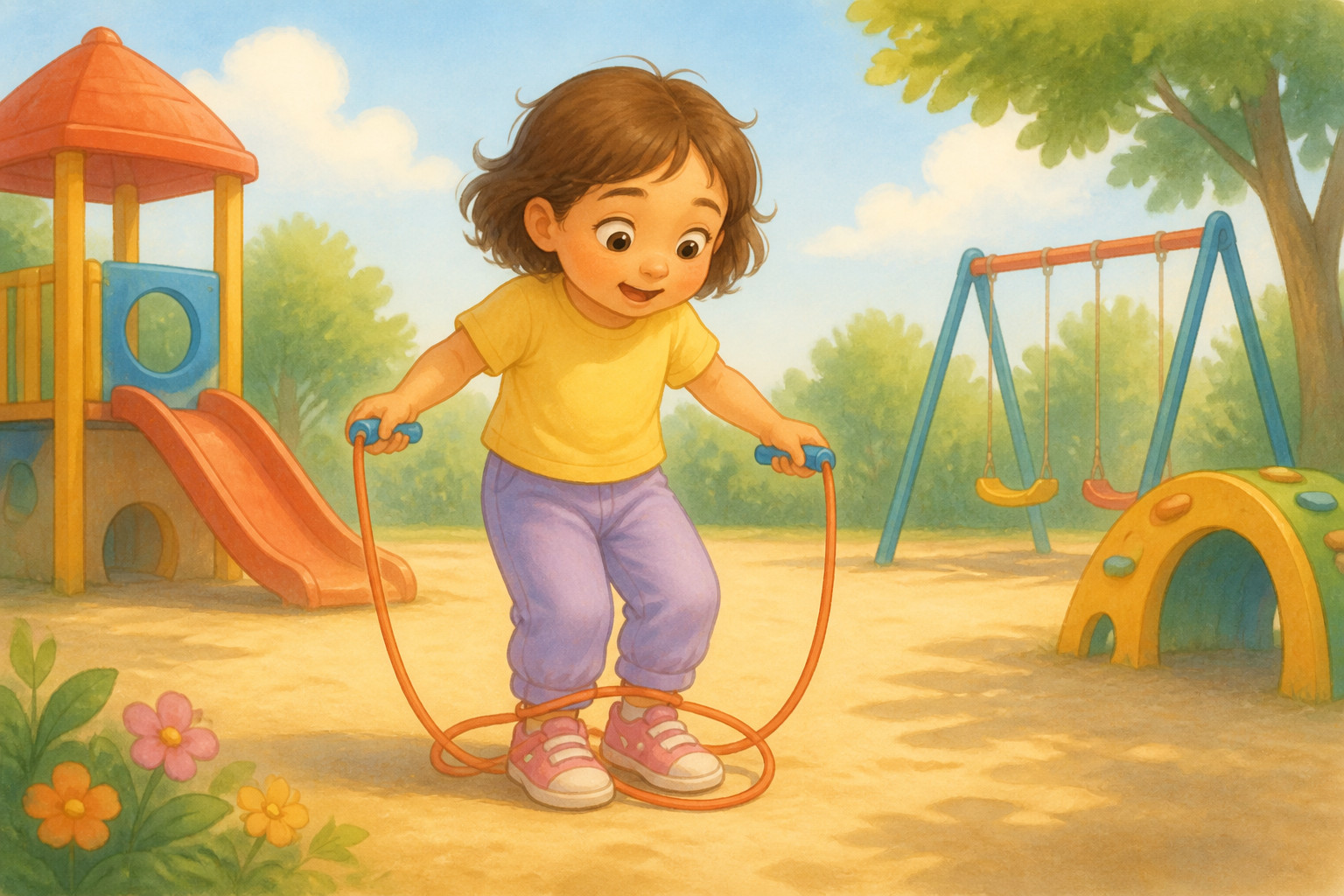
Think of a time you ran fast across the park. When you stopped, did you put a hand on your chest? Thump, thump, thump! Your heart was beating so quickly.
Before you ran, your heart beat slow and steady. After running, it hurries along. So why does your heart beat faster after running?
Your heart is a pump, which means a squeezer that pushes something along. With every beat, your heart squeezes blood all around your body. That way, blood can reach your toes, your fingers and your nose.
Your blood works like a little delivery train. It carries food from your meals to every part of you. It also carries a special part of the air you breathe in. Your body needs both to keep going.
When you run, your muscles do the work. Muscles are the strong, stretchy parts under your skin that make you move. Your leg muscles push you forward, step after step. What do you think busy muscles need more of?
They need more food and air! Running muscles work very hard, much harder than when you sit still. All the time you run, they want lots of extra.
So your heart pumps faster. Each quick beat sends more blood rushing to your muscles. More blood brings them more food and air, so they can keep you running.
When you stop, your tired muscles still need extra for a little while. So your pump keeps beating fast at first. As your muscles rest, your heart slows down again.
Pump. Muscles. Your hard-working muscles need more air and food, so your heart pumps blood faster.
Next time you feel that quick thump after running, you will know your heart is helping your muscles play.