Why brush your teeth if they don't hurt?
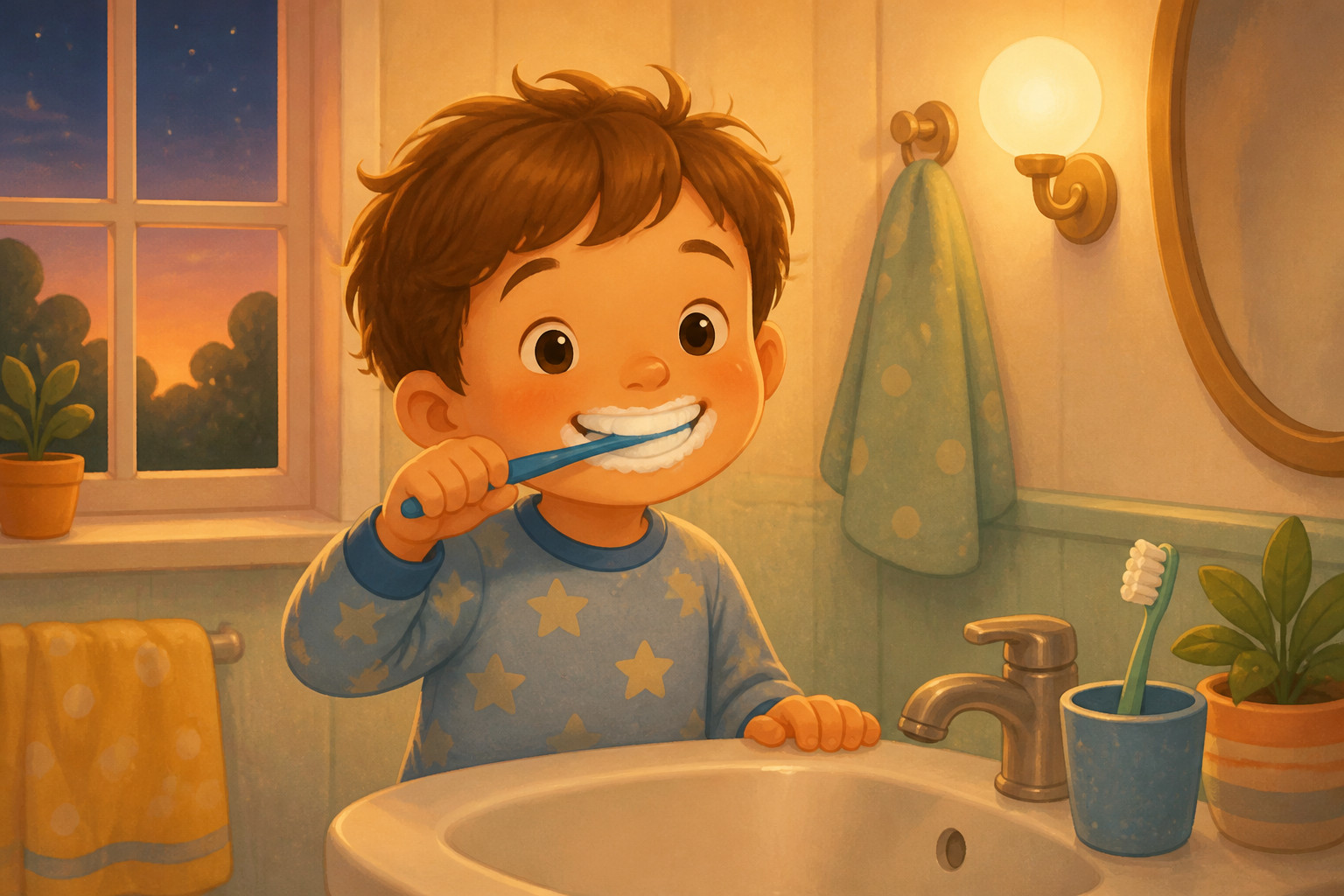
Squeeze, swish, scrub! Think of the cool, minty foam in your mouth when you brush. It tingles on your tongue and smells fresh.
Your teeth feel fine right now. They don't hurt one bit. So why do we brush them every morning and every night?
When you eat, bits of food stay behind. They hide between your teeth and along the edges. Your tongue can't wipe them all away.
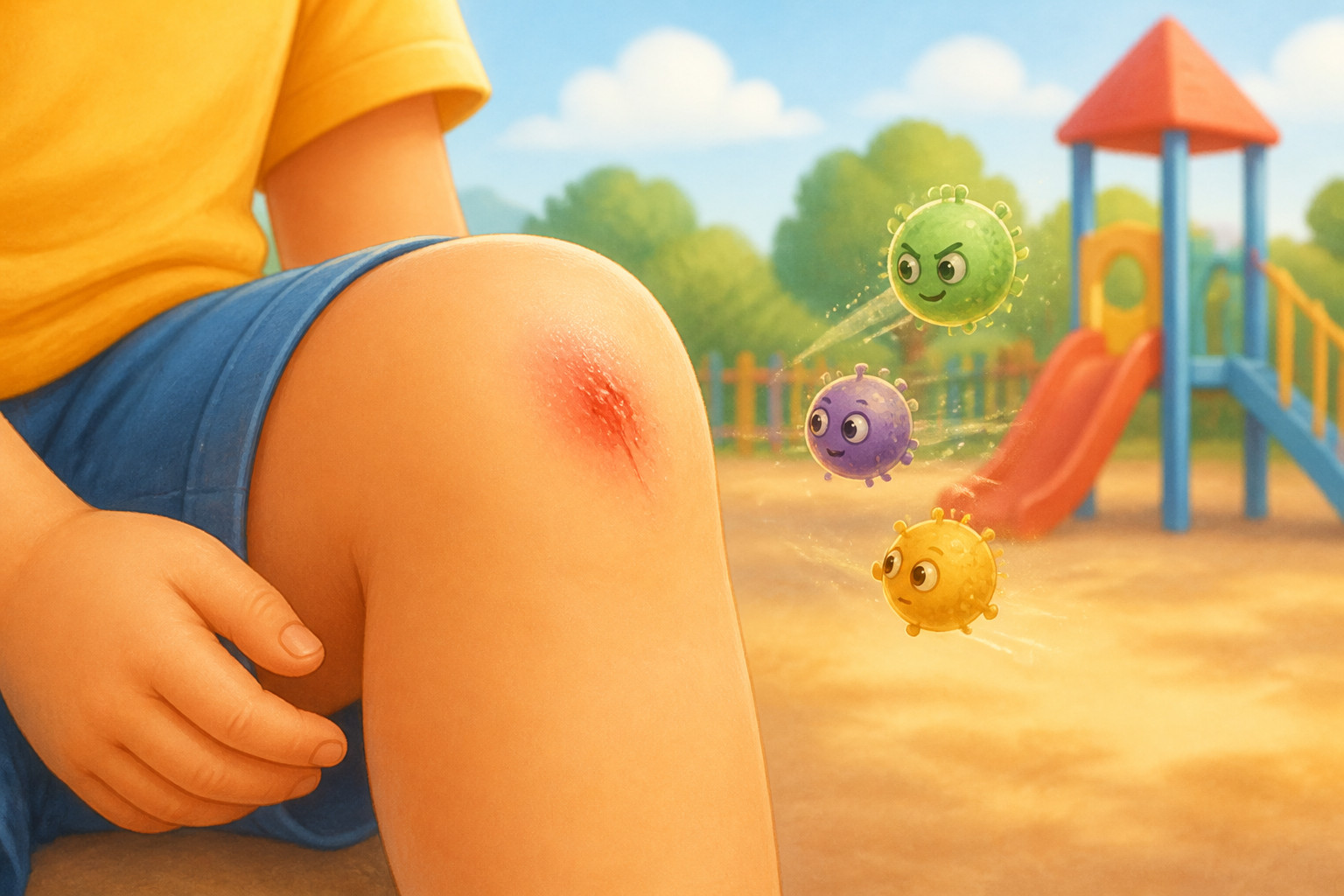
Your mouth is home to germs, too small to see. These germs love sweet crumbs. They gobble up the food bits left on your teeth.
As the germs eat, they pile up with the crumbs into a soft, sticky coat. This coat is called plaque, which means a sticky layer of germs on your teeth. Plaque holds the germs right against each tooth.
The germs in plaque make a sour juice. That sour juice softens the hard, shiny outside of your tooth. The longer plaque stays, the softer that spot gets.
Day after day, the soft spot wears away into a small hole. That hole is called a cavity, which means a little hole in a tooth. Do you think a small cavity hurts right away?
It doesn't! A small cavity is quiet, so you can't feel it at all. It keeps growing, and only a big cavity starts to ache. That's why teeth can feel fine while the germs keep working.
Here is where you come in. When you brush, the bristles scrub the plaque off every tooth. The germs and crumbs wash away before they can make a cavity.
Plaque builds up again after every meal and snack. So you brush in the morning and again at night. Each brushing clears the plaque away before it can soften your teeth.
Plaque, cavity. Germs in plaque make cavities before teeth hurt, so brushing sweeps the plaque away early.
Give your clean teeth a happy smile, and rest well tonight.