Why does yeast wake up faster in warm water?
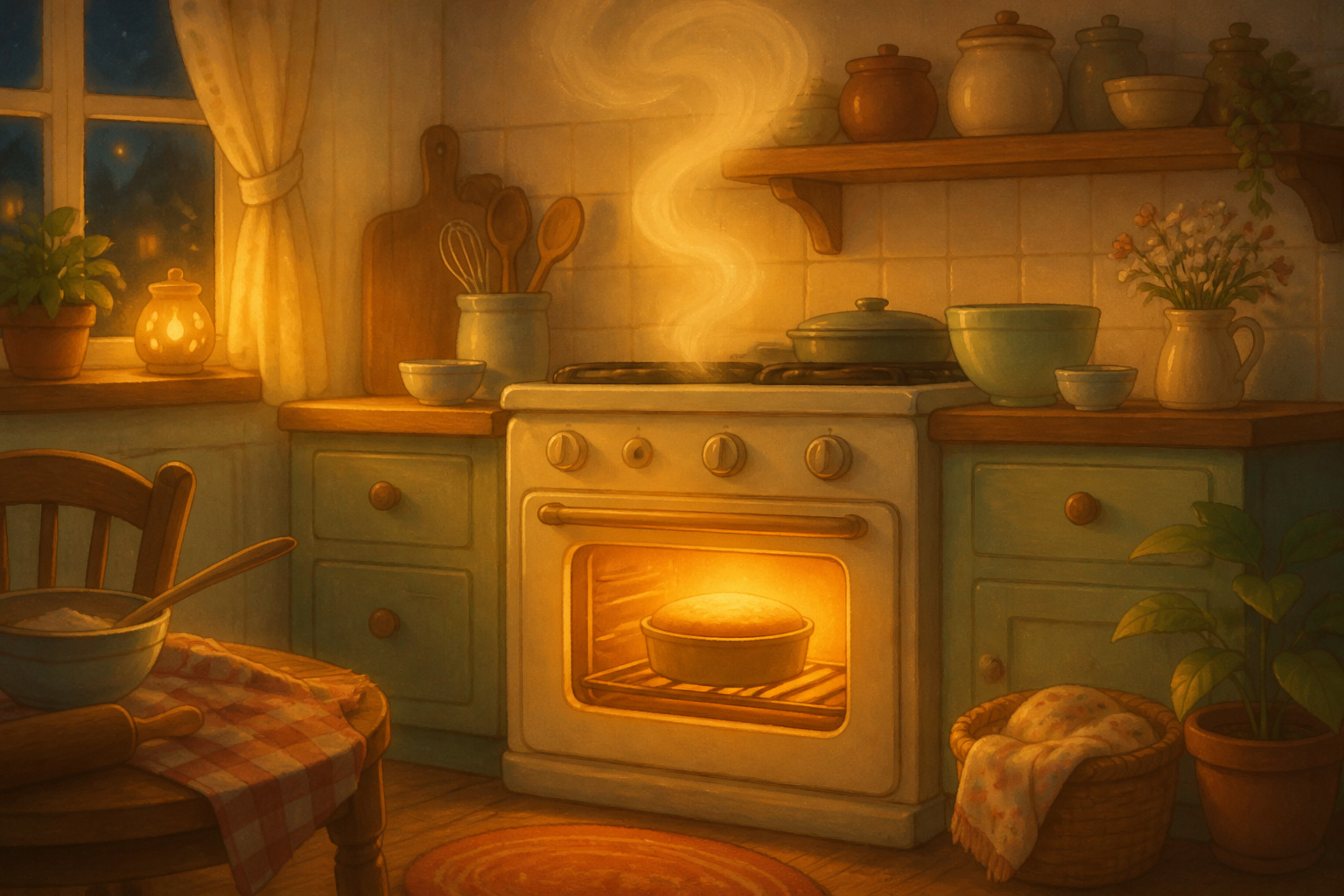
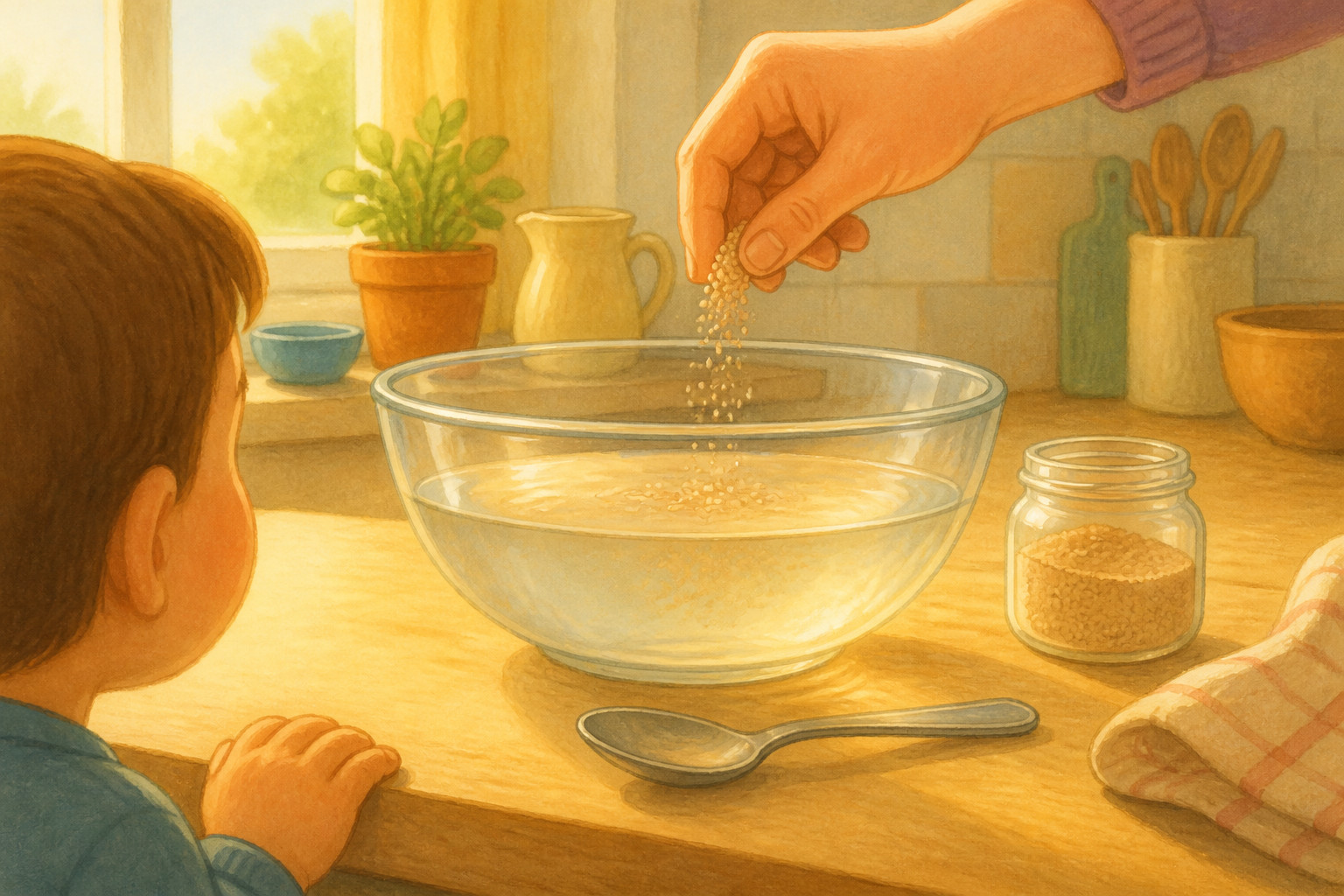
Have you ever watched a grown-up start a loaf of bread? They pour warm water into a bowl, add a pinch of sugar, and sprinkle in tiny tan grains of yeast. Soon the top turns foamy, and the kitchen fills with a soft, bready smell. Take a slow sniff and imagine that cosy smell right now.
Bakers say the yeast is waking up. In cold water, the same grains sit still for a long, long time. So why does yeast wake up faster in warm water?
Each tan grain is packed with yeast, living things far too small to see. This yeast is dried out, so it rests quietly in its jar for months. Resting yeast does almost nothing, a bit like a seed waiting for rain.
When the grains drop into the bowl, water soaks inside each little yeast. Yeast needs that water before it can do anything at all. A dry sponge works the same way, staying stiff until water makes it soft again.
Inside every yeast are enzymes, which are tiny helpers that chop sugar into smaller pieces. The yeast needs those pieces, because they give it the energy to grow and wake up.
To do their job, the enzymes have to bump into bits of sugar. Everything in the bowl, the water and the sugar too, is made of tiny bits that jiggle and wiggle all the time. What do you think warmth does to all that jiggling?
Warmth makes all those tiny bits jiggle faster! The sugar zooms around, so the enzymes meet it more often and bump it harder. Those harder bumps help the enzymes chop much more sugar every second.
In cold water, everything jiggles slowly. The enzymes and the sugar meet only now and then, with soft, gentle bumps. The yeast gets its energy in tiny sips, so it stays sleepy much longer.
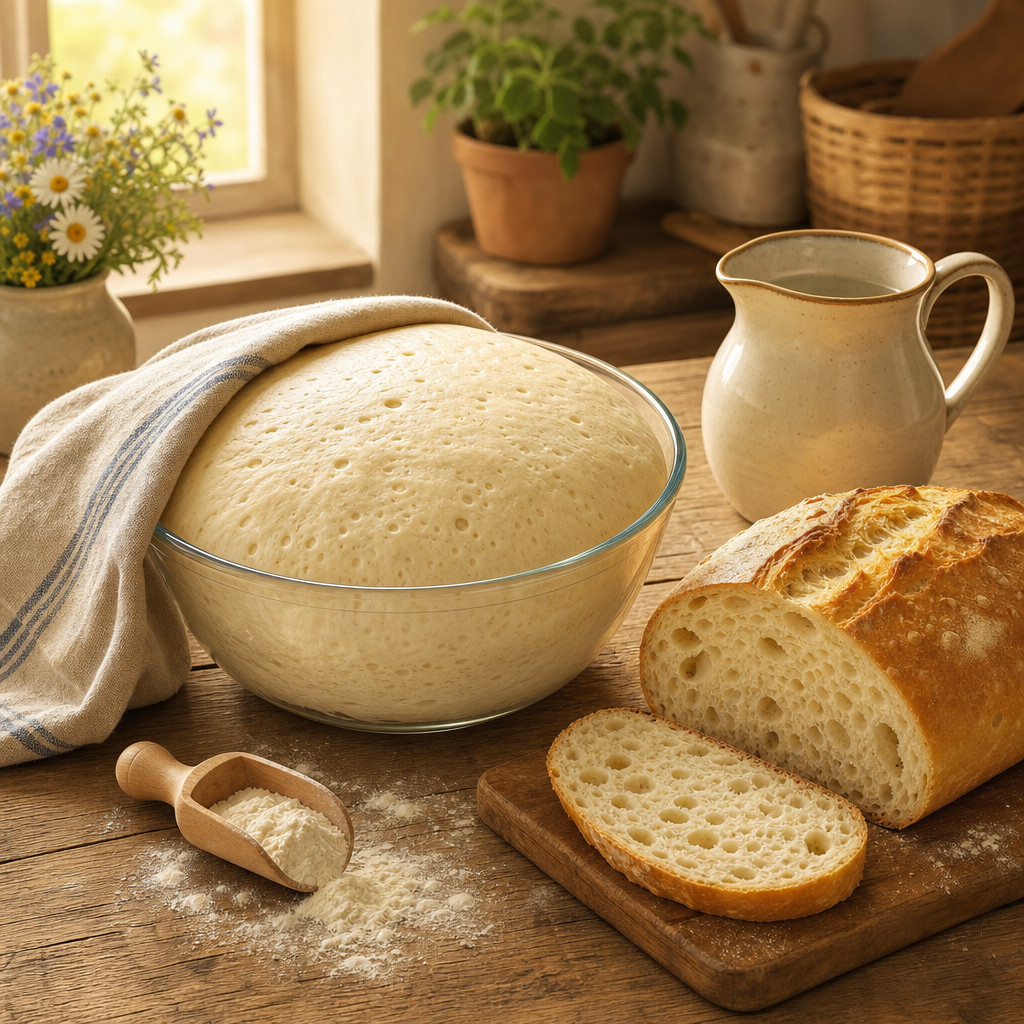
In the warm bowl, the yeast fills up with energy quickly and gets busy. As it eats, it breathes out little bubbles of gas. Those bubbles make the foam we pictured on top of the bowl. Bath-warm water is just right, because water that is too hot breaks the enzymes.
Warmth makes the sugar in the water jiggle faster, so the enzymes inside the yeast bump into it more often and harder. The enzymes chop more sugar every second, and the yeast fills with energy and wakes up sooner.
Across the warm bowl, the foam grows thick and pale, and tiny bubbles pop softly on top. Deep inside each grain, the wide-awake yeast keeps working, one little bubble at a time.