What happens to a cake if you leave out the sugar?
Think of the warm, sweet smell drifting out of the kitchen when a cake is baking. Breathe it in, and you can almost taste it. Most cakes get a big scoop of sugar. So what happens to a cake if you leave out the sugar?
Let's picture two cakes baking side by side, one with sugar and one without. Will they come out of the oven looking and feeling the same?
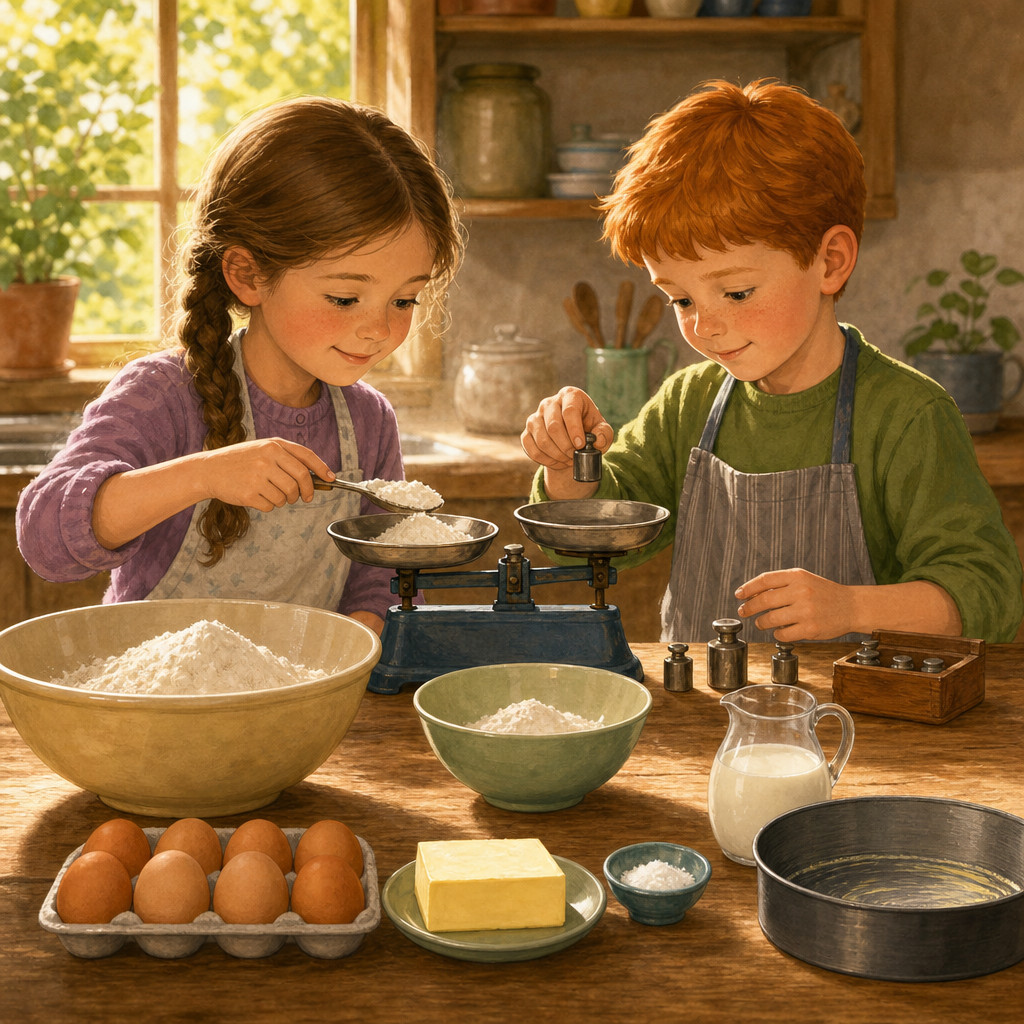
A baker starts by stirring flour, eggs, butter, milk and sugar together in a bowl. That thick, gooey mix is called batter, which means the soft, wet cake mix before it bakes. In the batter, the sugar disappears into the wet eggs and milk, like sugar stirred into lemonade.
Sugar loves water. Each tiny bit of sugar grabs some of the water in the batter and holds on to it. So sugar has a second job besides making things sweet: it keeps water inside the cake.
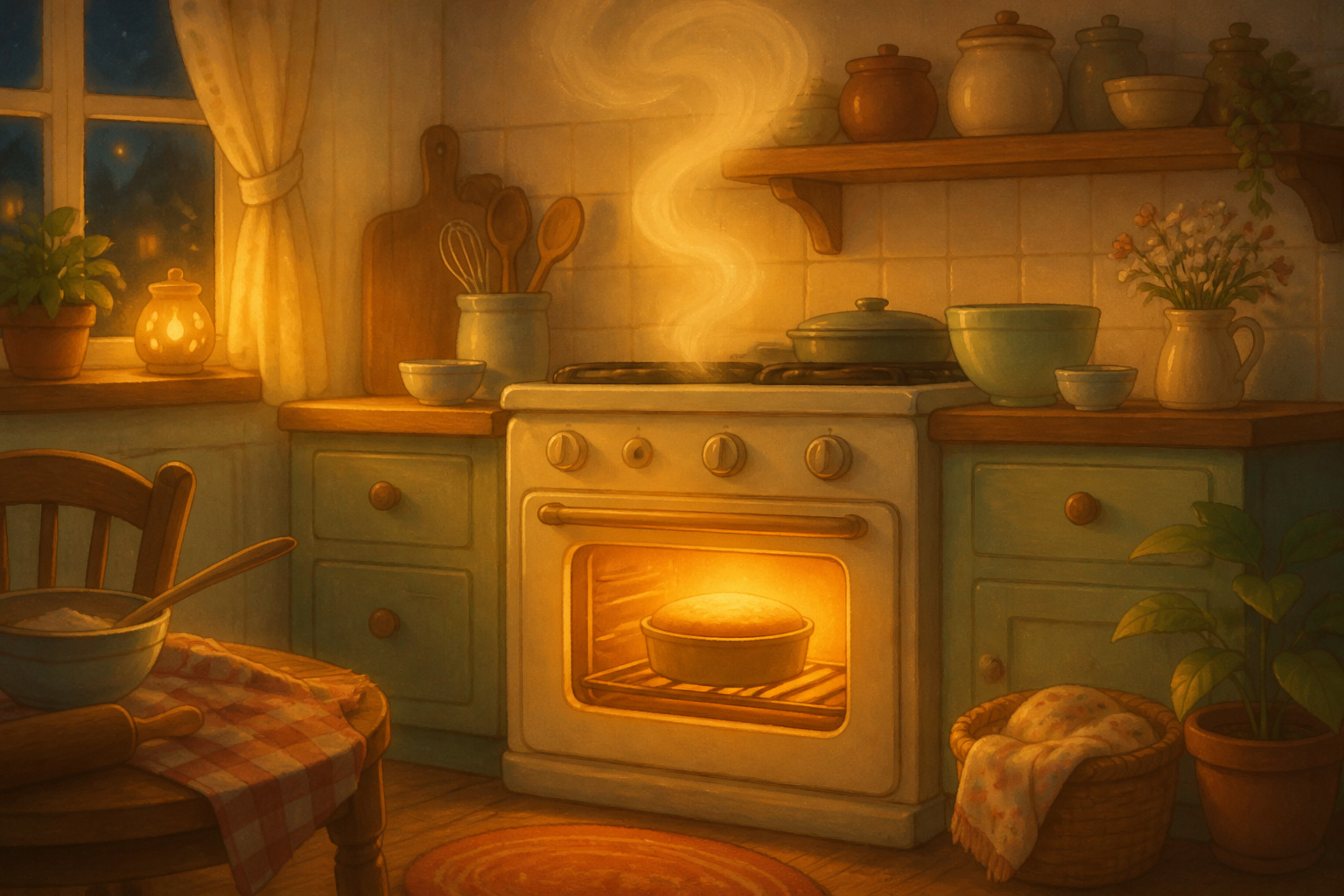
Next, the baker puts on thick oven mitts and slides the pan of batter into the hot oven. The heat dries away some of the water and turns the batter into springy cake. Inside, the sugar keeps holding its water, so the middle stays moist and soft. Now picture the cake with no sugar: what do you think happens to all that water in the hot oven?
With no sugar holding on, the heat dries away much more of the water. The crumb, which means the inside part of the cake that you bite into, turns dry and firm. A sugarless crumb feels more like plain bread than birthday cake.
Sugar also works on the outside of the cake. In the oven's heat, the sugar near the top helps it turn golden brown. That golden top gives a cake its toasty colour and smell.
Leave out the sugar, and the top bakes to a pale, plain yellow instead of golden brown. The cake looks dull and smells less toasty.
When you finally take a bite, you notice the biggest change of all. The pale, dry crumb tastes flat, more like a cracker than a treat. Flour and eggs have hardly any sweetness of their own to fill the gap.
Without sugar to grab and hold its water, the batter dries out much more in the hot oven, so the crumb comes out dry and firm. The cake also bakes with a pale top and hardly any sweet taste.
Back on the kitchen table, the two cakes sit side by side. One is golden on top and soft inside, and the other is pale and dry. The golden one fills the kitchen with the warmest, toastiest smell.
 ✓
 ✓
 ✓
 Fenn