What makes bubbles grow inside dough?
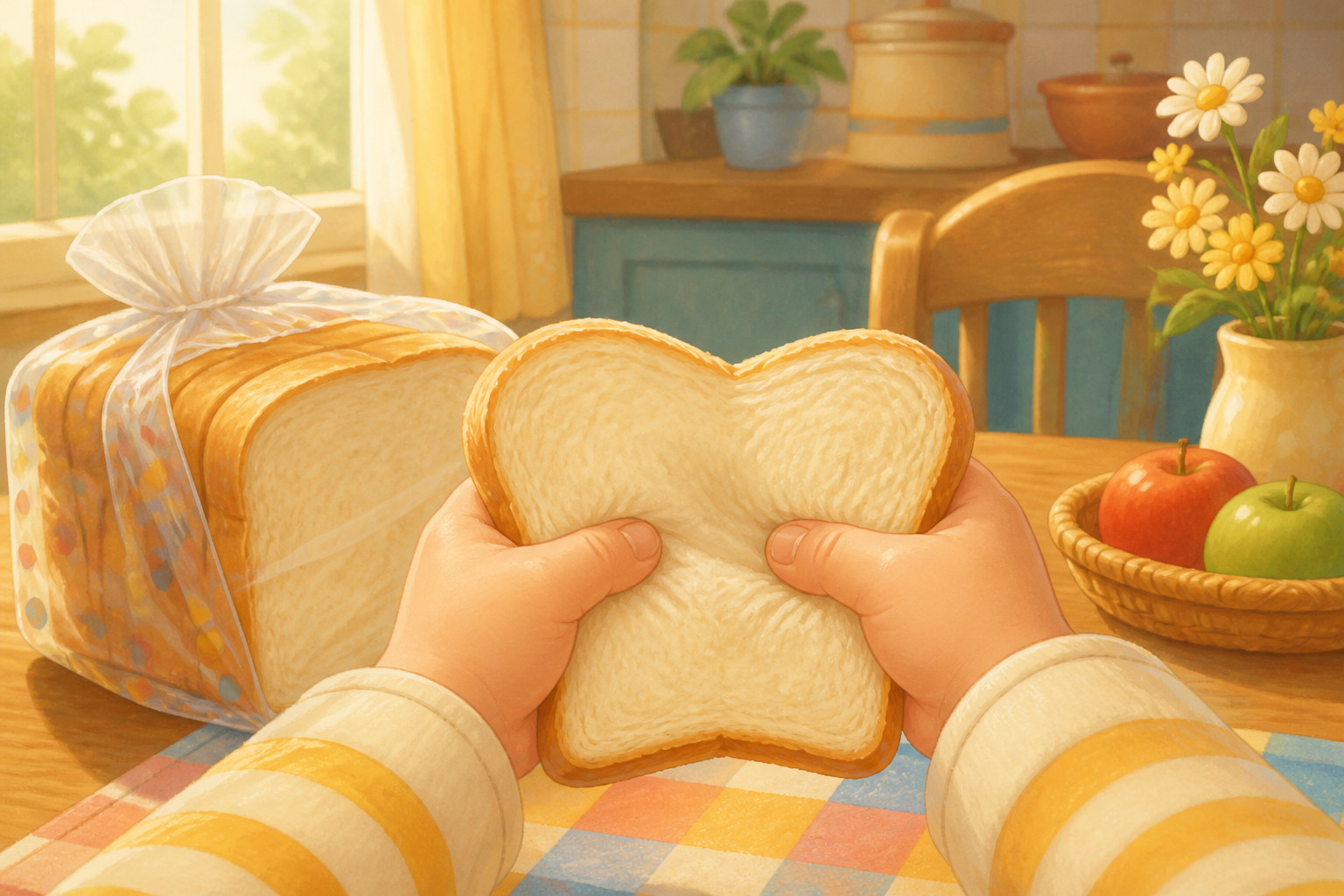
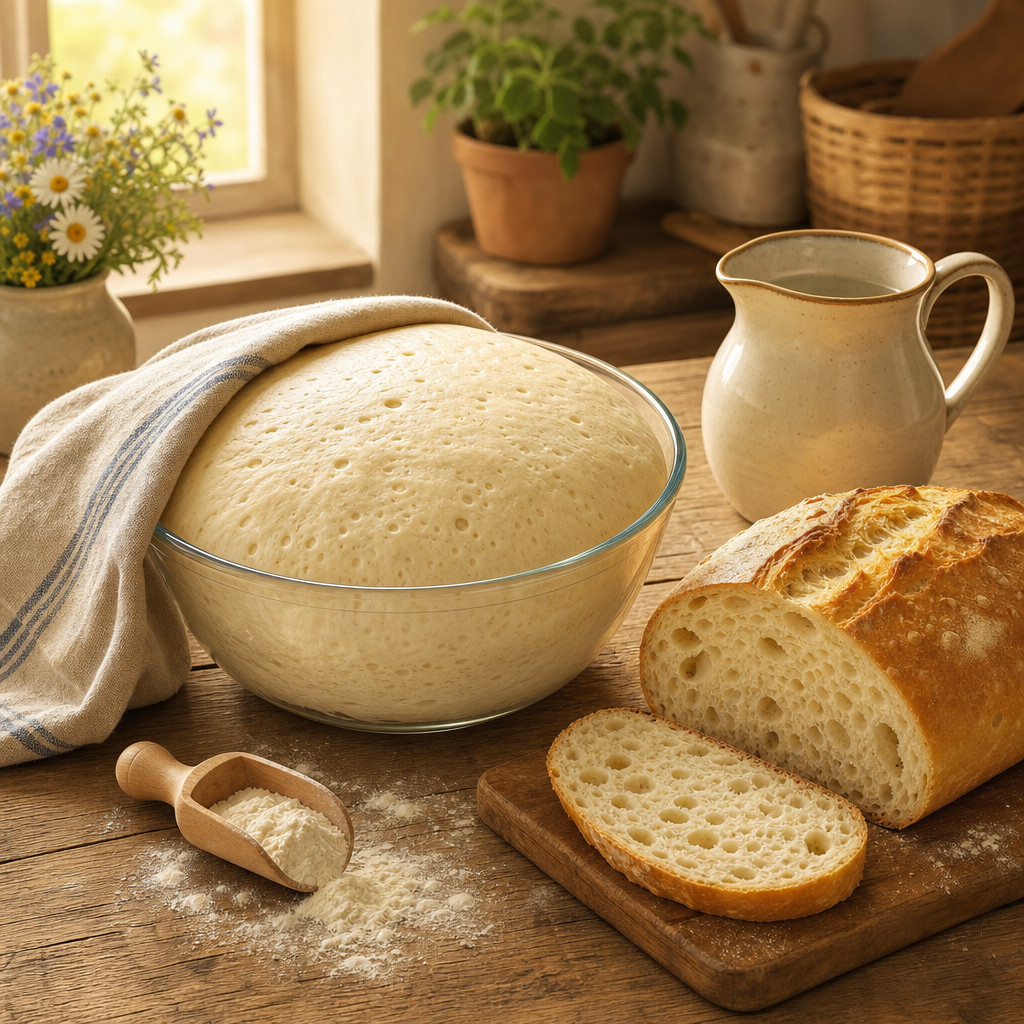
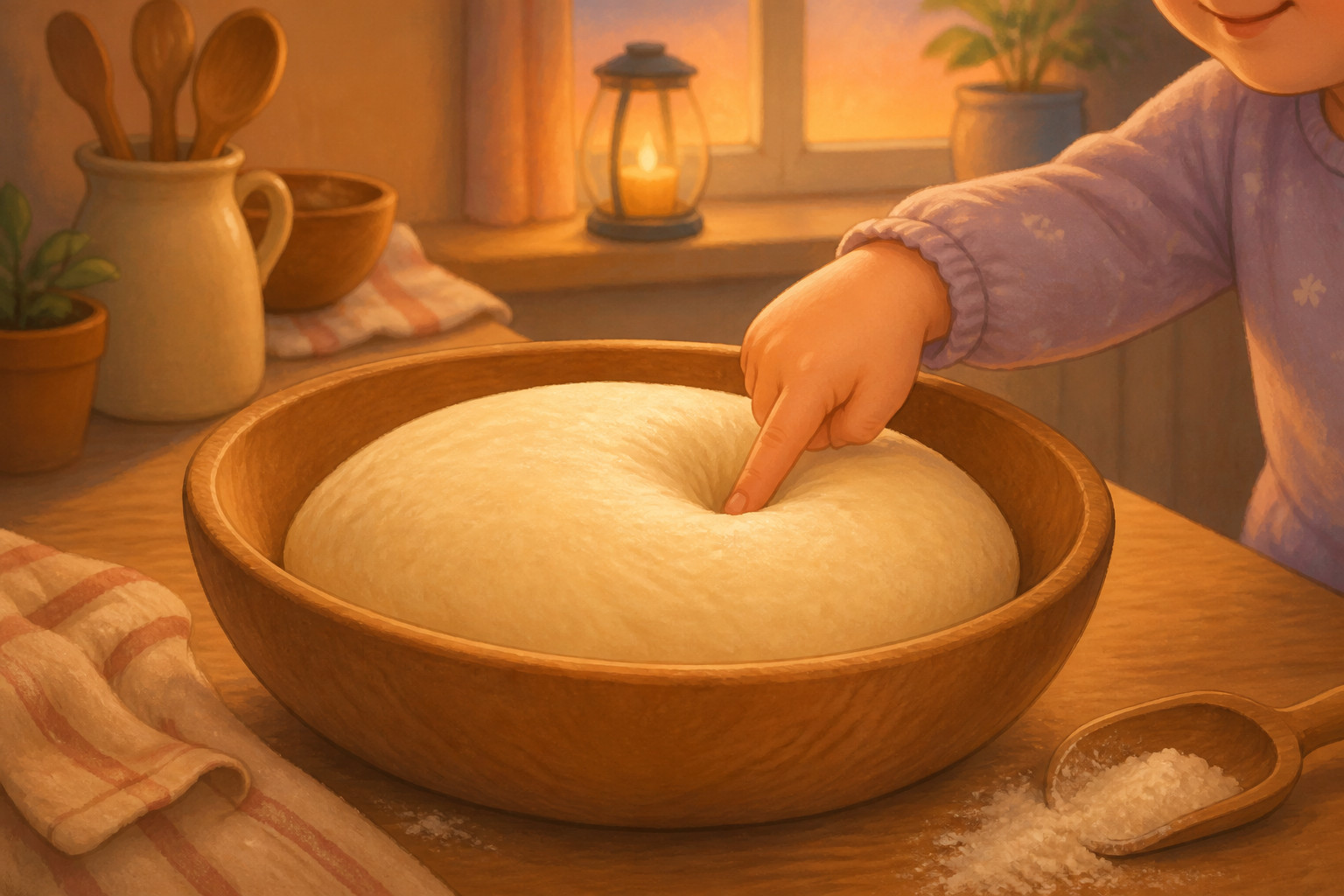
Have you ever pressed your finger into soft bread dough and felt it slowly spring back? Inside that squishy ball, bubbles are hiding. While the dough rests in its bowl, those bubbles keep getting bigger.
So what makes bubbles grow inside dough? Let's find out together, starting with the very first mix.
A baker starts by mixing flour, water and a spoonful of yeast. Yeast, which means living things so small you cannot see just one, looks like brown grains in a jar. The baker adds it because yeast is the part that will make the bubbles.
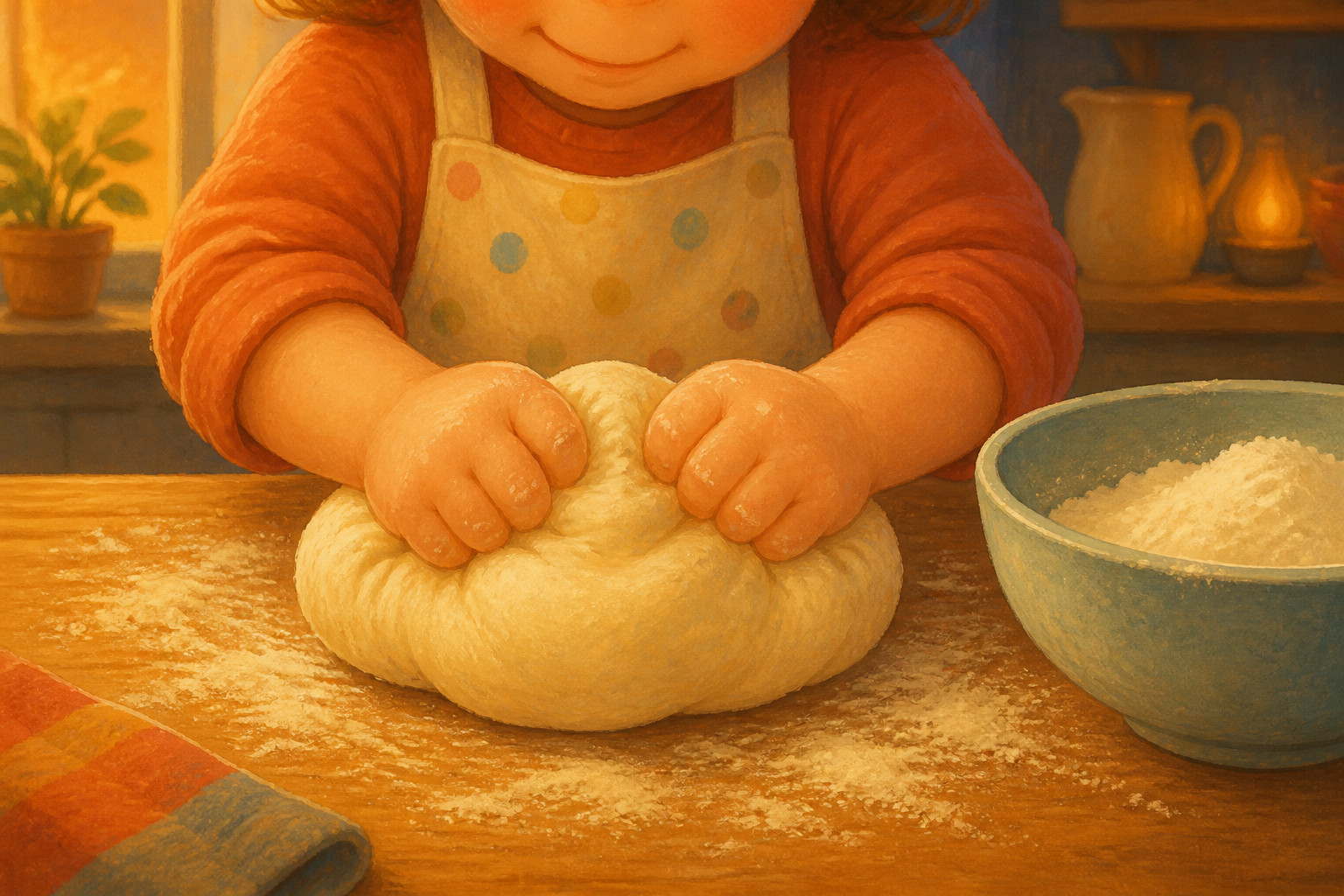
Next, the baker kneads the dough, pushing and folding it over and over. When flour meets water, it makes gluten, which means stretchy strands inside the dough. All that pushing joins the gluten into a stretchy net all through the dough, like a web of chewing gum.
Now the baker leaves the dough to rest in a warm spot, and the yeast gets busy. Warm and wet, the yeast wakes up and starts eating the bits of sugar in the flour. Yeast needs that food to live, just like you need your breakfast.
As the yeast eats, it breathes out a gas, the same kind of gas you breathe out. Each tiny yeast puffs out a teeny bit of gas, again and again. Where do you think all that gas goes, deep inside the dough?
The gas cannot slip away, because the stretchy gluten net catches it. The gluten wraps around the gas like the thin skin of a balloon. Each pocket of trapped gas is a bubble.
The yeast keeps eating and keeps breathing out more gas. More gas pushes into each bubble, and the gluten stretches to make room, so every bubble grows bigger. Thousands of growing bubbles make the whole dough puff up, soft and round.
Let's remember two words: yeast and gluten. Tiny yeast eats the sugar in the dough and breathes out gas, and the stretchy gluten net holds that gas in, so the bubbles grow bigger and bigger.
Next time you see dough puffing up in its bowl, you can smile, because now you know the secret of every growing bubble.