Why do some places have more earthquakes?
The ground beneath your feet usually feels steady, whether you stand on grass or pavement. Yet you may have heard that some towns feel the ground shake more often than others. Why do some places have more earthquakes?
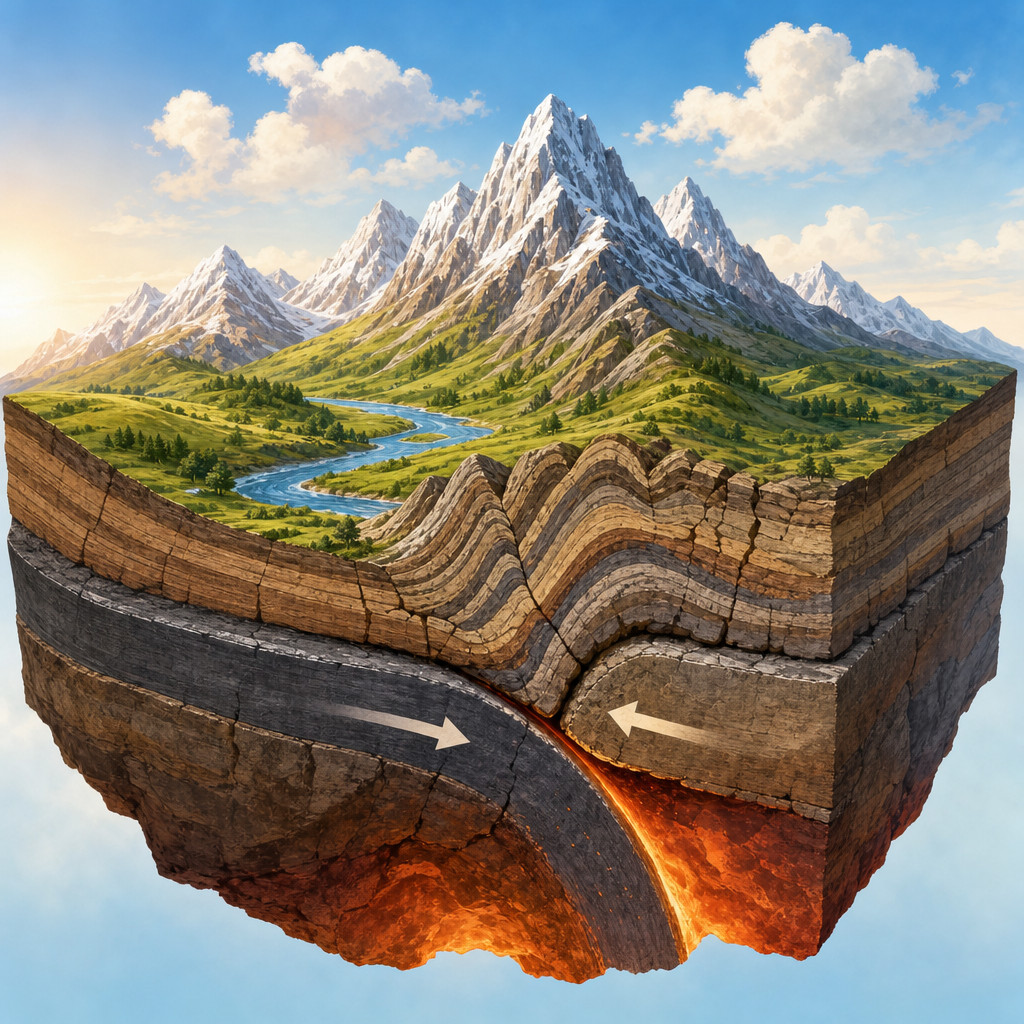
Earth's hard outer layer has giant pieces called tectonic plates, like thick pieces of a cracked shell. These pieces fit around the whole planet. They carry both the land and the ocean floor.
Deep inside Earth, heat makes rock move slowly, even though most of that rock stays solid. Think of something thick changing shape over a very long time. That slow movement helps move the tectonic plates above.
The plates creep along, but they do not all travel the same way. So at their edges, some plates push together, some pull apart, and some slide past each other.
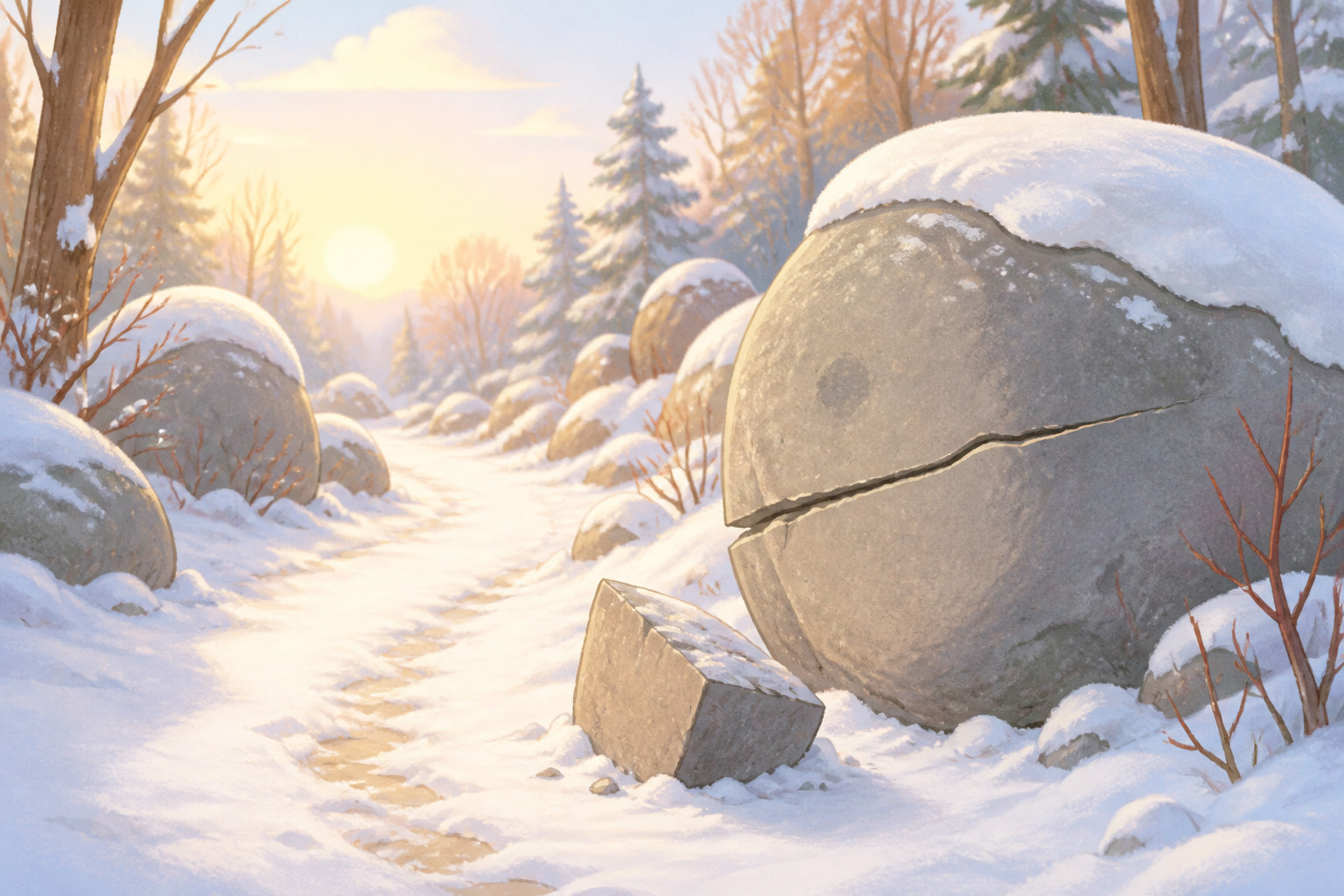
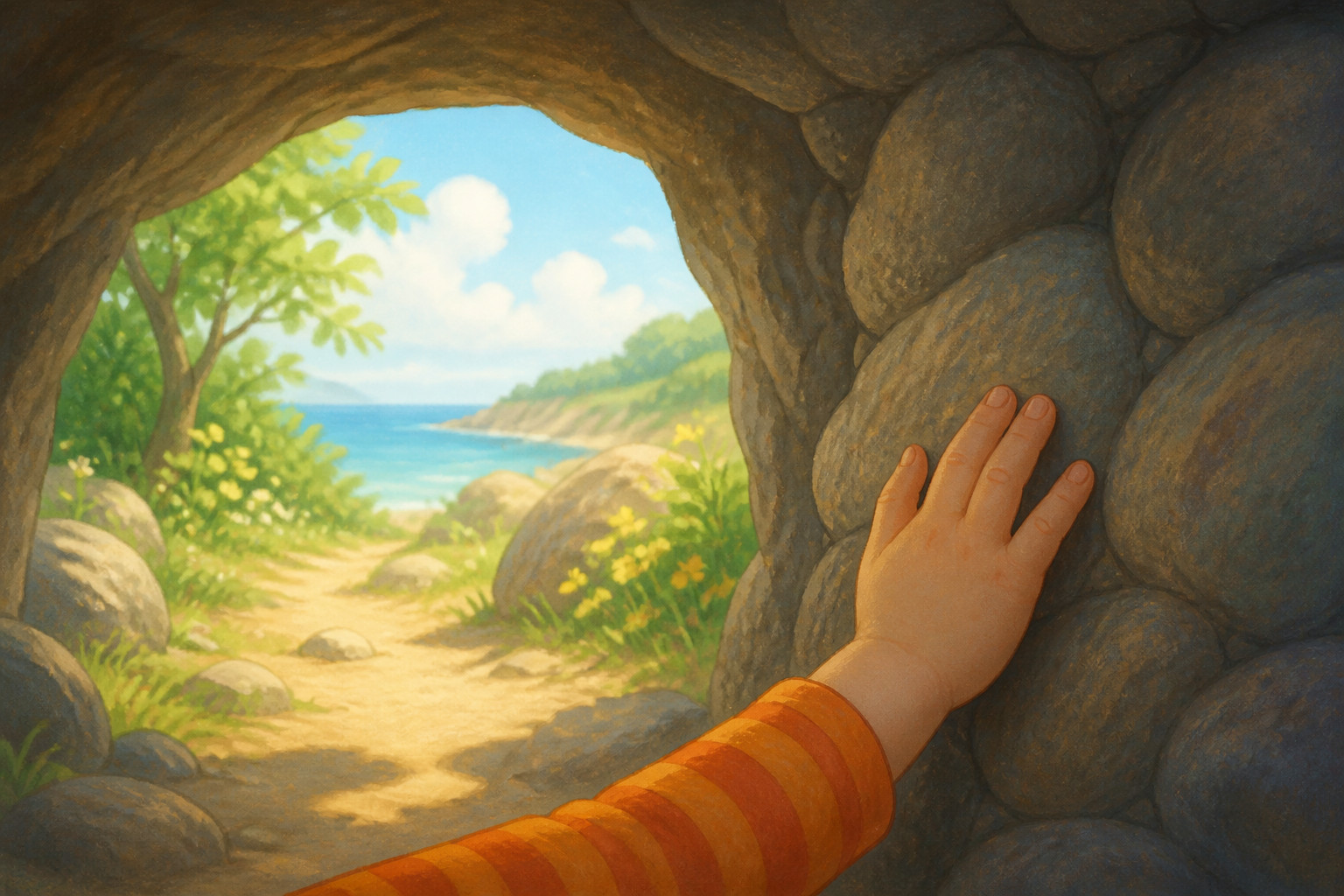
Along many of those meeting places, rough rocky edges catch against each other. The caught parts cannot slide smoothly, because the rocks grip tightly. Meanwhile, the rest of each huge plate keeps creeping along.
That continuing movement pushes or pulls on the caught rocks, making them slowly bend. The rocks hold more and more of that push, like a spring pressing tighter. What might happen when the push grows stronger than the rocks' grip?
The caught rocks suddenly slip! Instead of creeping, they move a short distance in a quick burst. That quick jump lets the bent rocks spring back, like a spring you let go.
The sudden slip sends shaking out through the surrounding rock. That shaking travels away from the place where the rocks moved. When it reaches the ground beneath a town, people there may feel an earthquake.
The places where tectonic plates meet have lots of rocky edges under these pushes and pulls. That's why nearby places have more earthquakes than places far from those edges.
Tectonic plates. Some places have more earthquakes because they lie near moving plate edges, where rocks catch, then suddenly slip and send out shaking.
As you settle into your quiet evening, you can carry this discovery about our slowly changing Earth.