Why can freezing water crack a rock?
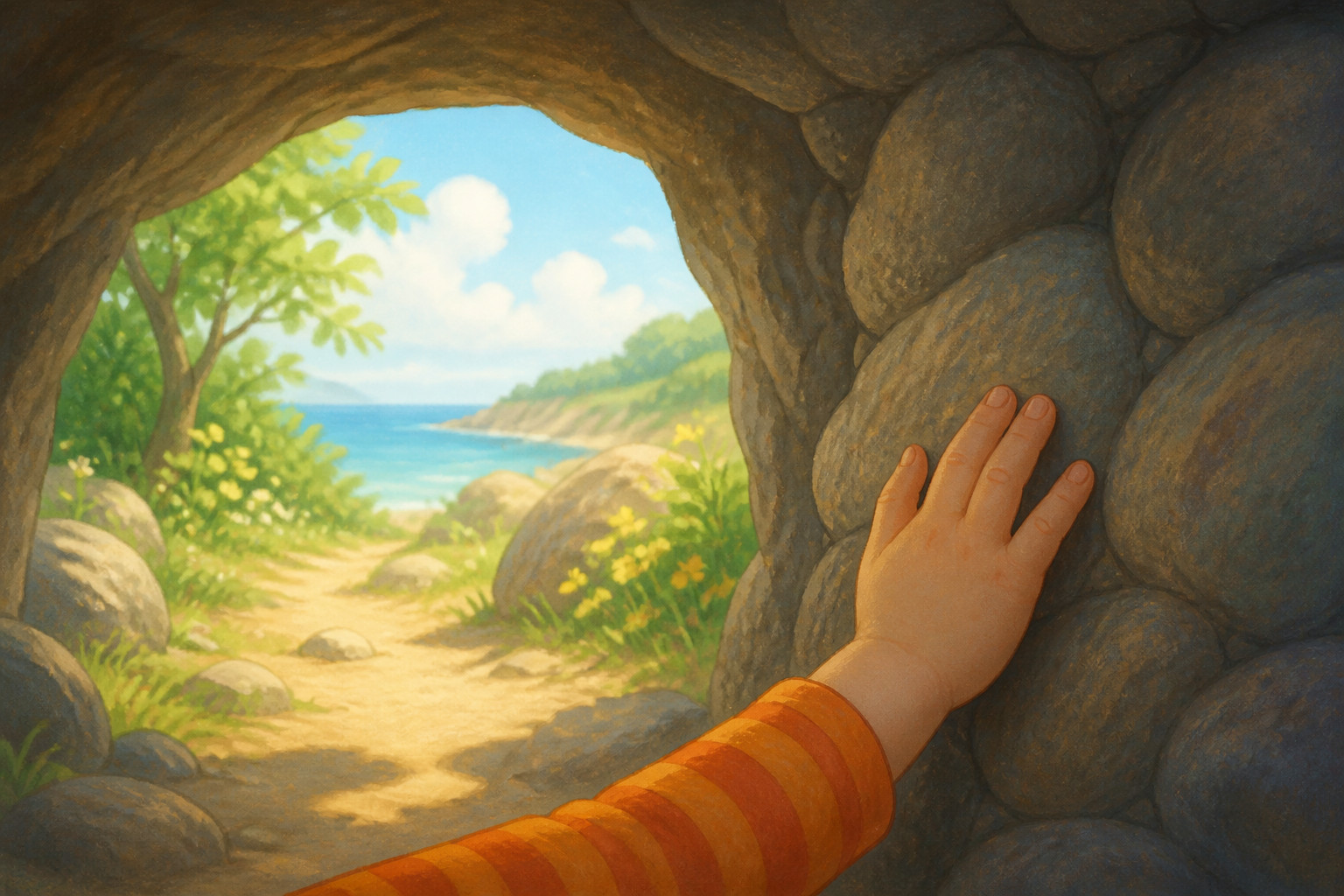
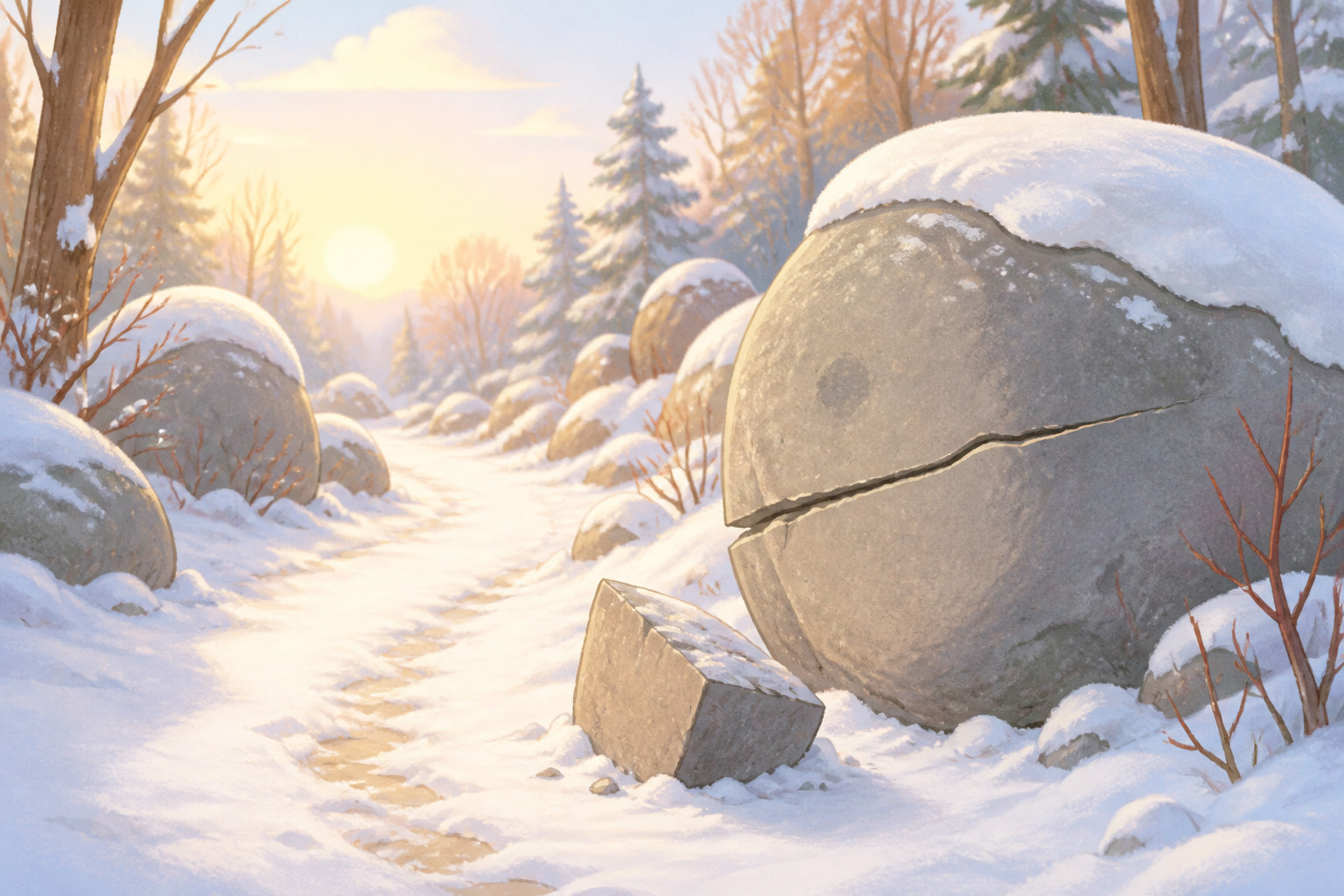
Think of a winter walk past big gray rocks. Run your fingers along one, and you feel a thin crack across its side. Right beside it, a broken chunk of rock lies on the ground.
A rock is hard and strong, and water is soft and splashy. So how can plain water break something as tough as stone? Why can freezing water crack a rock?
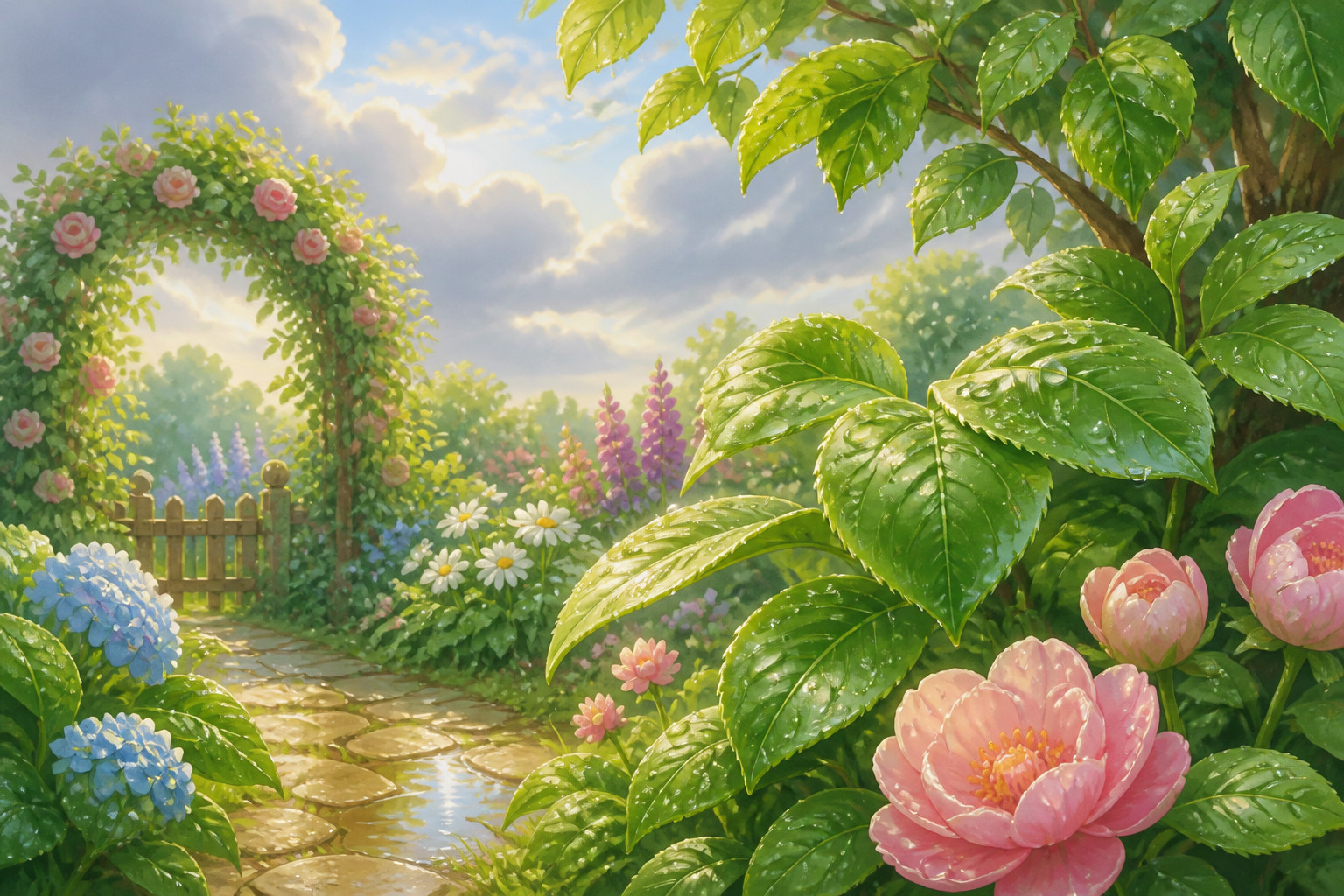
Rocks outside are full of thin cracks, some as thin as a hair. When rain falls, the water trickles down into those cracks. Water slips into any gap it can find, so the cracks fill up.
Then night comes, and the air turns as cold as a freezer. The water hiding in the crack gets so cold that it turns into ice. What do you think happens to water when it becomes ice: does it shrink smaller or grow bigger?
It grows bigger! Water expands when it freezes, which means it spreads out to take up more room. Its tiny bits line up in a neat pattern with little gaps between them, so ice needs more space than the water did.
The water at the top of the crack freezes first, like a lid, so the ice below has nowhere to go. As it expands, it presses hard against both rock walls from the inside. That push forces the crack open a little wider.
In the morning, the sun warms the rock, and the ice melts back into water. Because the crack is wider now, the water trickles in deeper than before.
When the next cold night arrives, the water freezes again. Every time it freezes, the ice also pulls in more water from tiny gaps in the rock around it, so it keeps growing and pushes the crack wider still. Scientists call this frost wedging, which means ice pushing a crack open again and again, like a doorstop jammed into a gap.
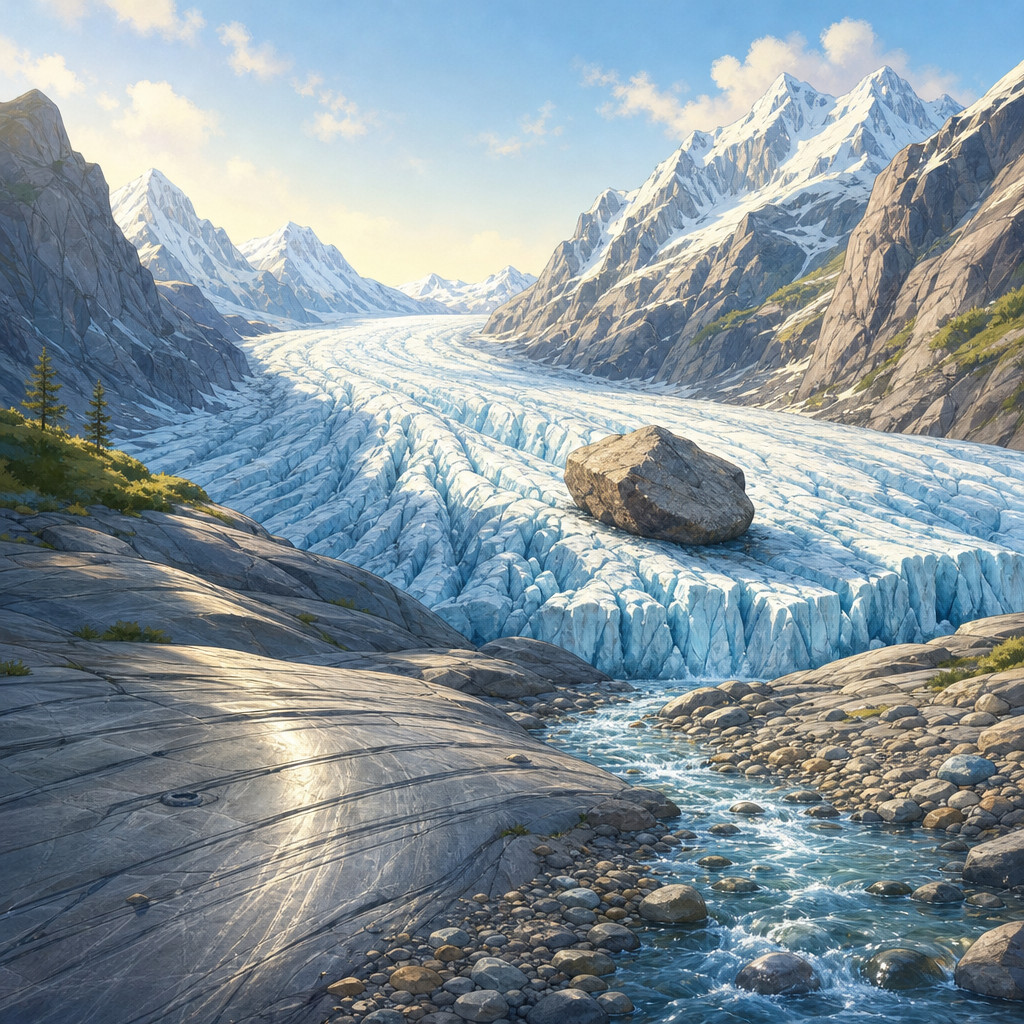
Night after night and winter after winter, frost wedging keeps going. At last the crack runs all the way through, and a piece of rock breaks off and tumbles down. That is why you find broken chunks on rocky paths and below mountain cliffs.
Rainwater trickles into a thin crack in a rock, and when it freezes on a cold night, the water expands and the ice pushes the crack wider. Night after night, this frost wedging opens the crack a little more, until a piece of the rock breaks away.
Up on the cold hillside, the big gray rock sits quiet under the stars, a thin line of ice tucked deep inside its crack. Down below, the broken chunk rests on the ground, right where the ice pushed it free.