Why does water flow downhill?
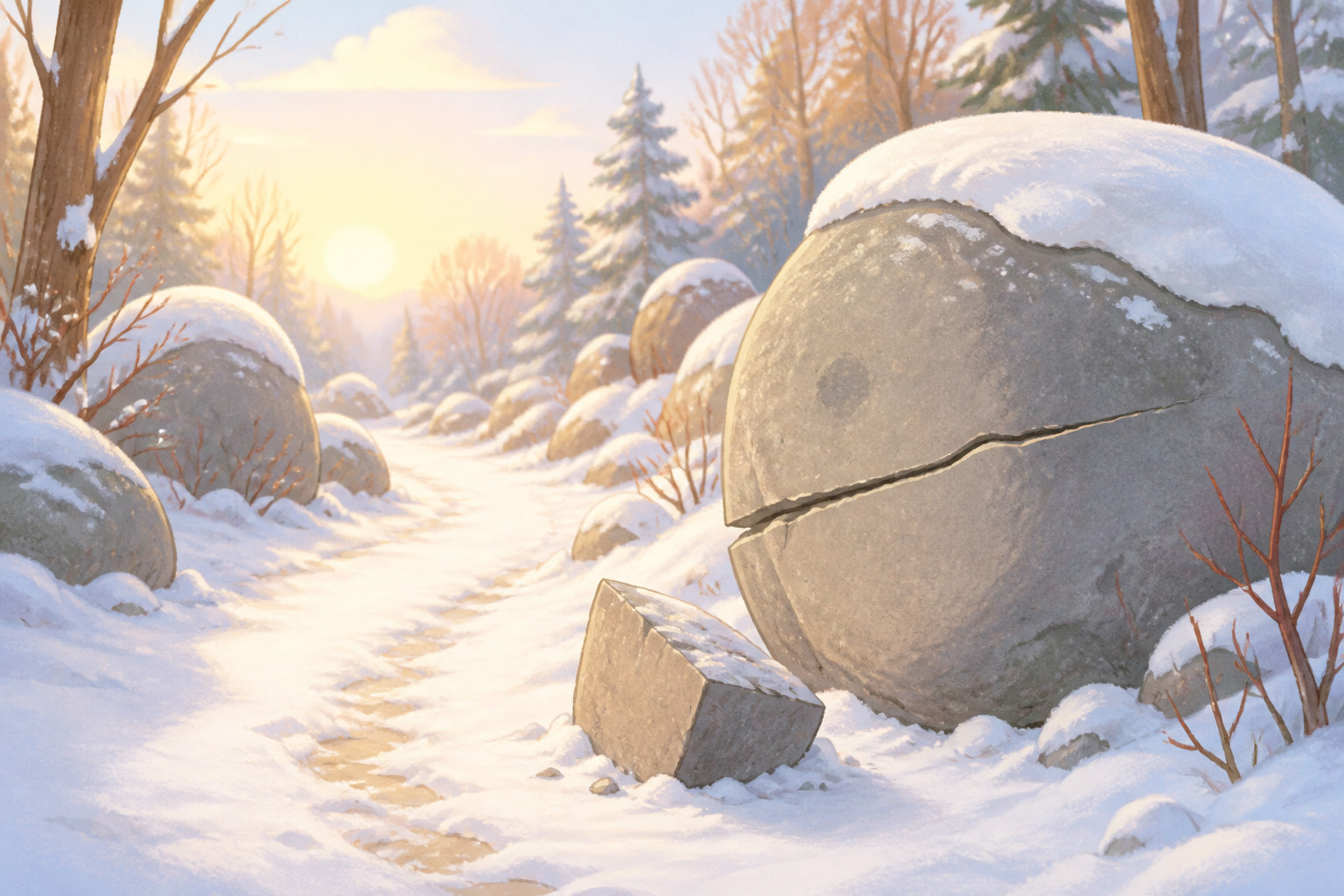
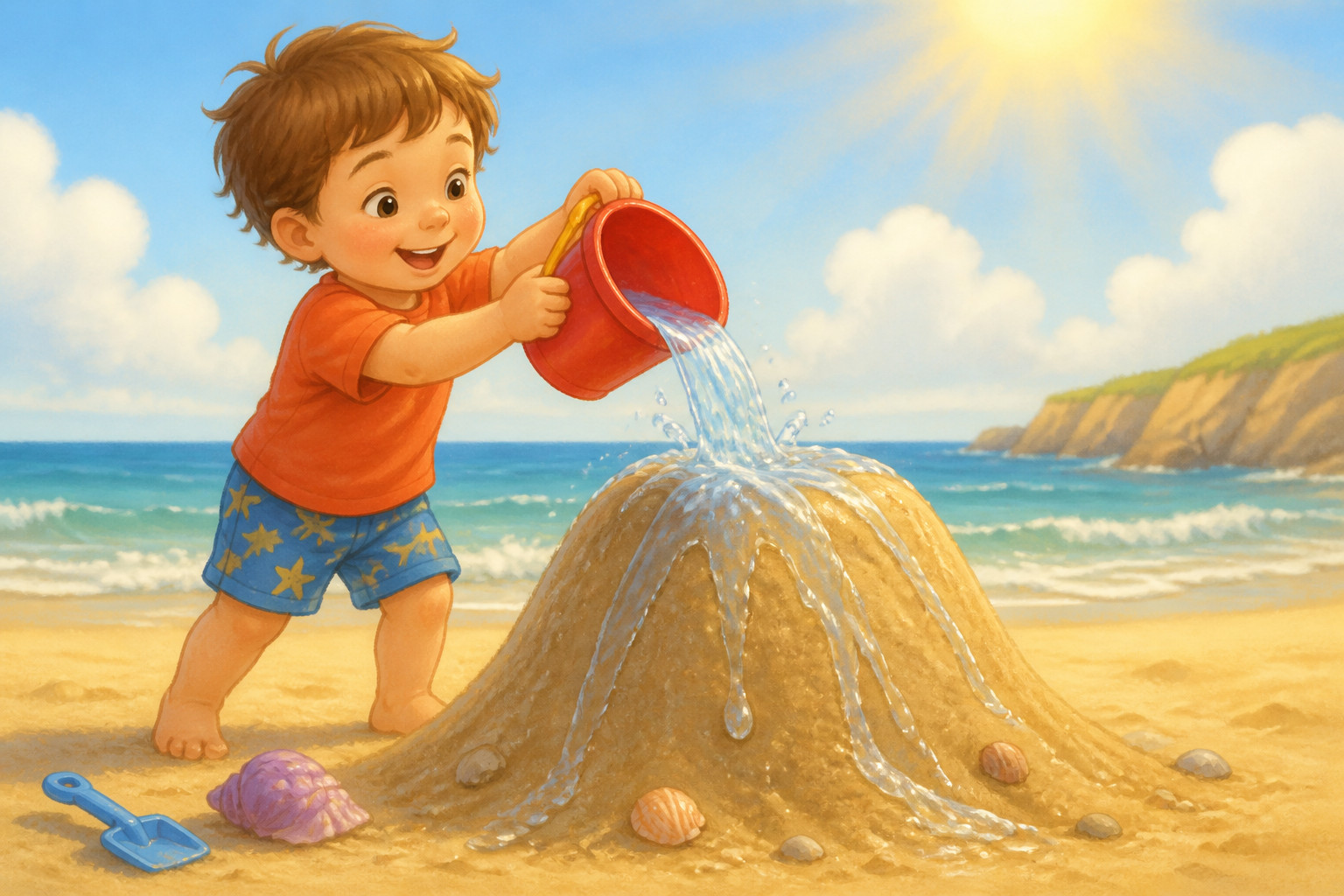
Think of pouring a bucket of water at the top of a sand hill. Splash! The cool water runs down the side, all the way to the bottom. It never climbs back up to the top.
Rain does the same thing on a street. It trickles along to the drain at the low end. So why does water always flow downhill?
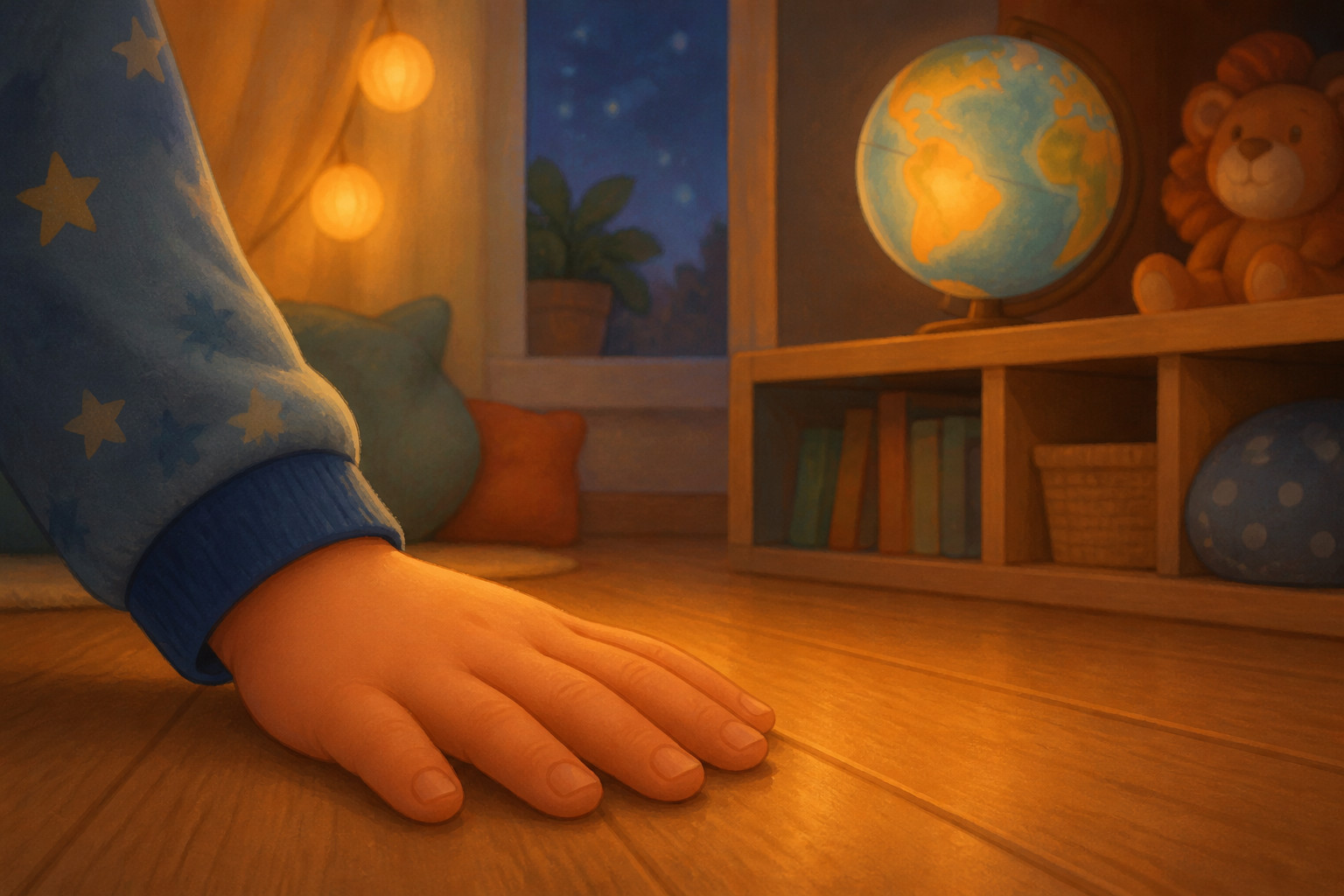
The answer starts with the Earth itself. Our whole Earth pulls on everything, all the time. It pulls you, your toys and every drop of water down toward the ground. That pull is why a ball you drop falls to the floor.
Water is runny. It has no shape of its own, so it cannot stay in a heap the way sand can. Each drop moves wherever the Earth's pull can take it.
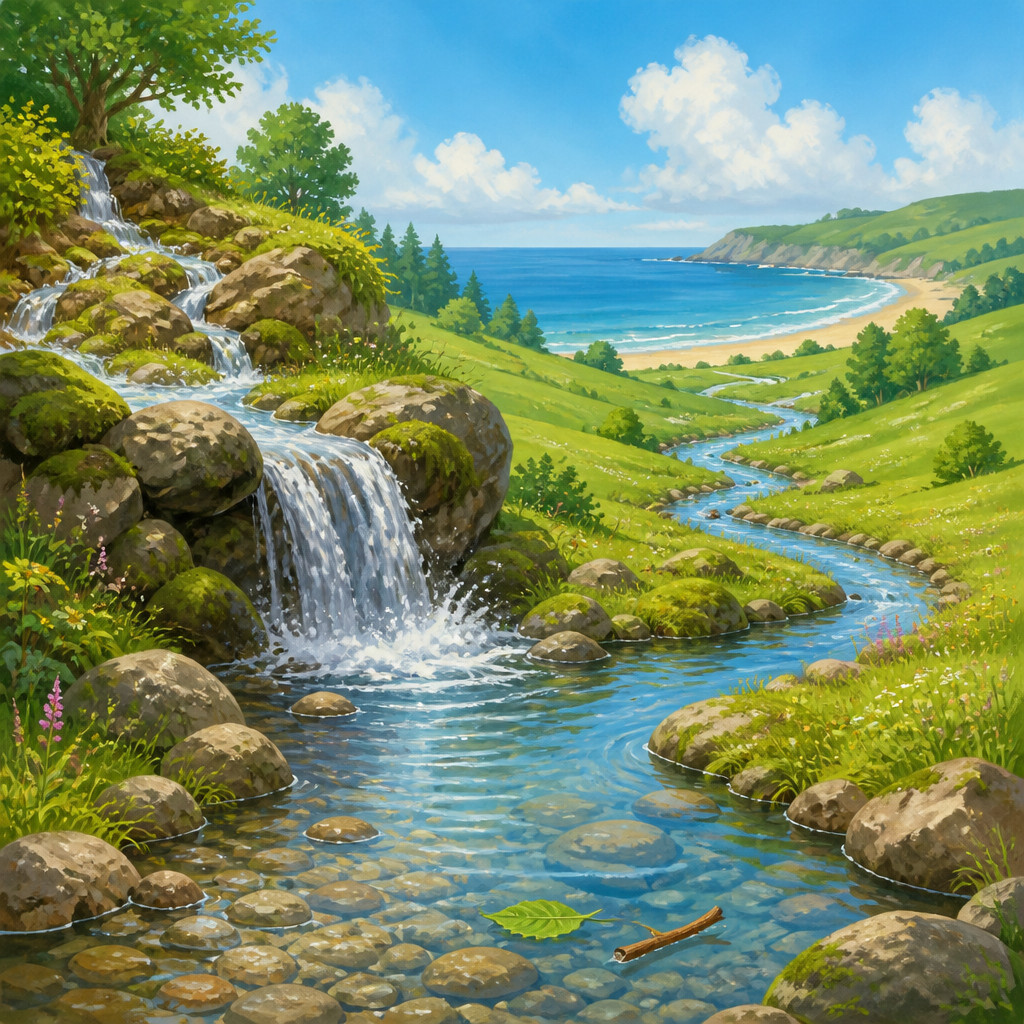
Now picture the sand hill again. Its side is a slope, which means ground that leans from a high place down to a low place. A slope gives water a path to go lower.
On the slope, the Earth's pull drags the water down. Every drop slides toward the lower side. Water has no way to climb back up against that pull. Where do you think the water will finally stop?
It stops at the lowest place it can reach. There, no ground leans any lower, so the pull cannot drag it any farther. The water rests and makes a flat, still puddle.
The Earth pulls water down, so it slides along every slope to the lowest place. Water cannot climb back up a slope against that pull.
Down at the bottom of the sand hill, the water rests in its flat, still puddle. Above it, the slope shines wet where the drops slid down.