What happens where Earth's plates pull apart?
Have you ever pulled a warm bread roll apart with both hands? A crack opens down the middle, and you can see the soft, steamy inside.
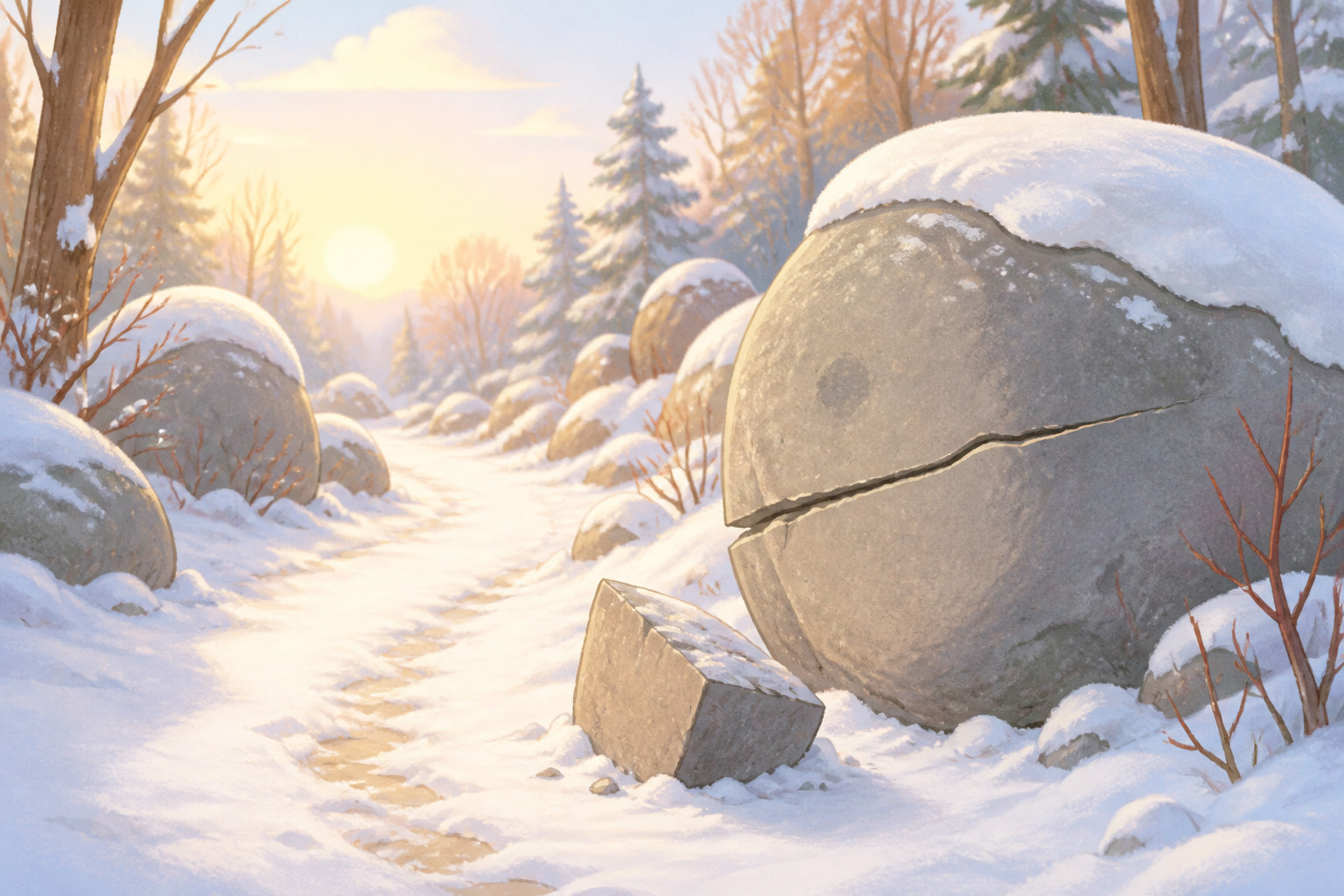
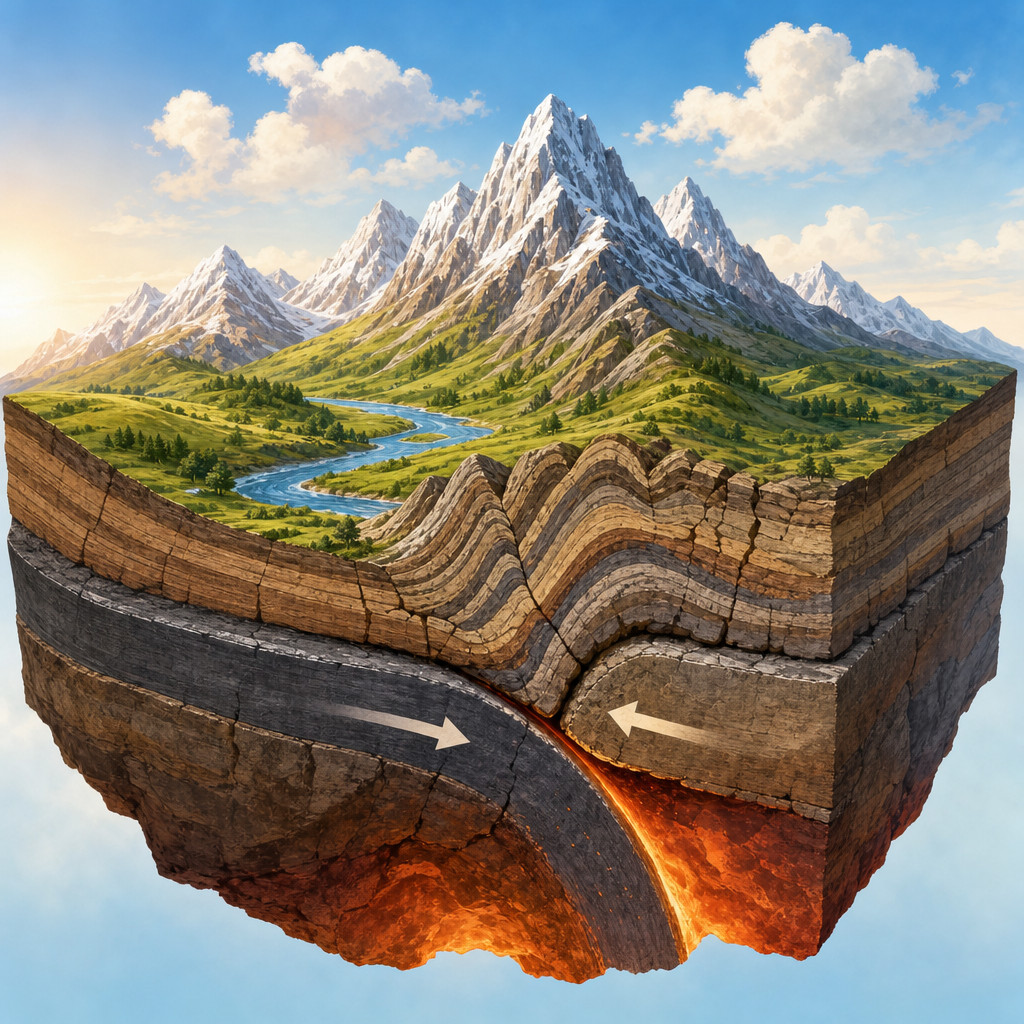
Earth's hard outside is cracked into giant pieces of rock called plates. They fit together like puzzle pieces, and in some places two of them slowly move away from each other. So what happens right there, where Earth's plates pull apart?
First, a long crack opens between the two plates. The plates move about as fast as your fingernails grow, so the crack gets a tiny bit wider each year.
Deep under the plates, the rock is very hot. Heavy rock above squeezes it so hard that it stays solid. When the crack opens, that squeeze gets weaker, and some of the hot rock melts.
This melted rock is called magma, which means rock so hot that it flows like thick, glowing honey. Magma is lighter than the solid rock around it, so it rises up into the crack.
Most of these cracks lie at the bottom of the ocean, so the magma rises right up to the sea floor. There, icy cold sea water is waiting. What do you think happens to hot magma when it touches cold water?
The water cools the magma, and it hardens into brand-new rock. This new rock fills the crack and joins onto the edges of both plates. That way, the plates grow a little at their edges as they pull apart.
The plates keep moving, so the crack opens again, and fresh magma fills it again. Warm new rock sits higher than old, cold rock, so a long line of mountains rises along the crack under the sea. These hidden mountains make the longest mountain chain on Earth.
In a few places, plates pull apart on dry land, such as in Iceland. As the two plates move away from each other, the ground between them sinks into a long, deep valley. People there can walk right along it.
Here is our key word: magma. Where Earth's plates pull apart, a crack opens, hot rock below melts into magma, and the magma rises and hardens into new rock that fills the gap.
Rest well, and picture glowing magma quietly building new rock far beneath the sea.