Which Cloth Drinks Up a Spill?
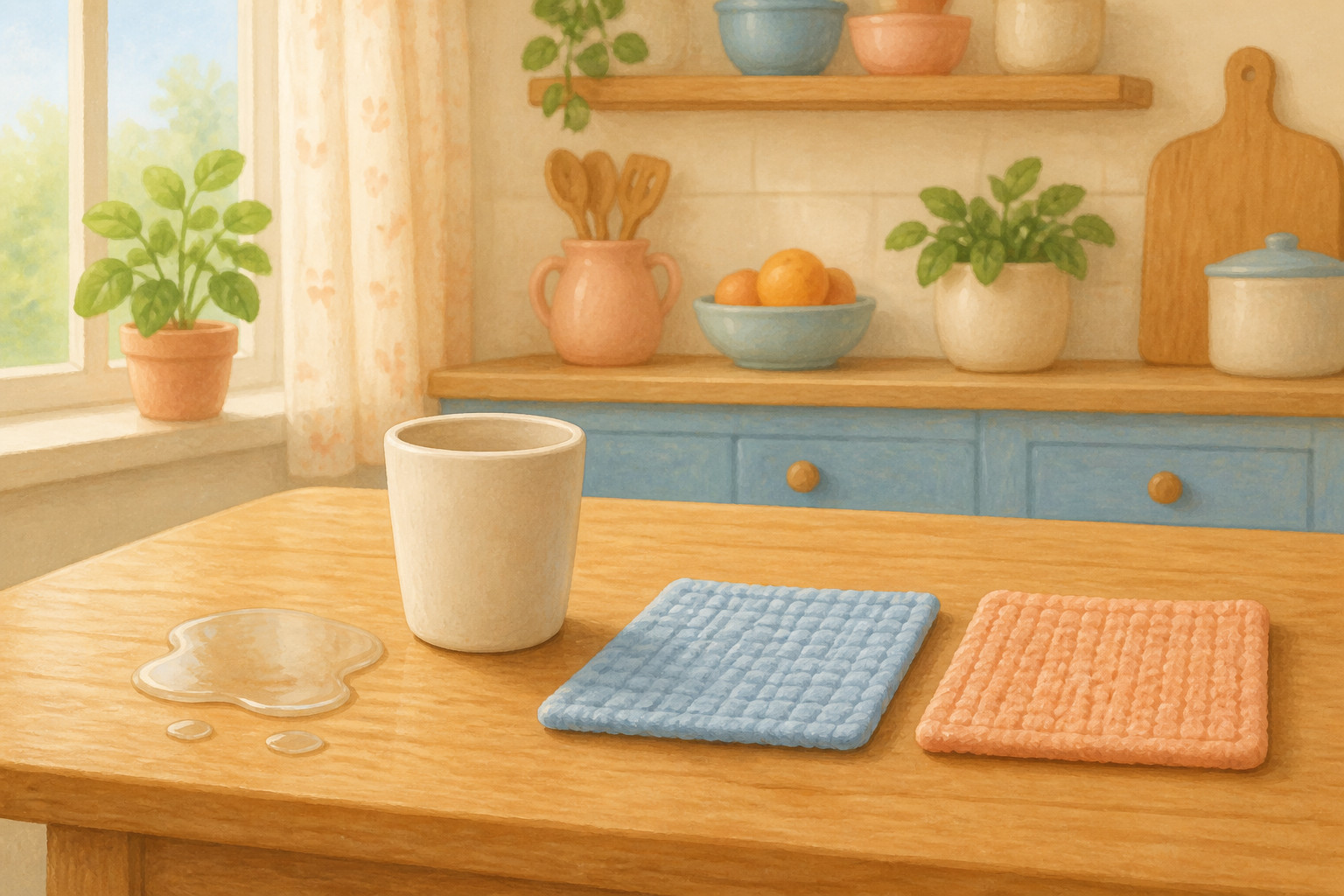
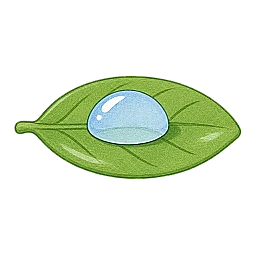
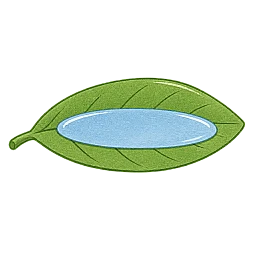
A little splash of water shines on the table beside your cup. A cloth can help clear it away. You might wonder which cloth drinks up a spill fastest. The answer starts with what happens when cloth and water meet.
A dry cloth touches the little puddle. The cloth begins to absorb water, which means to take water from the puddle into the cloth. As more water goes into the cloth, less water stays on the table. The puddle gets smaller.
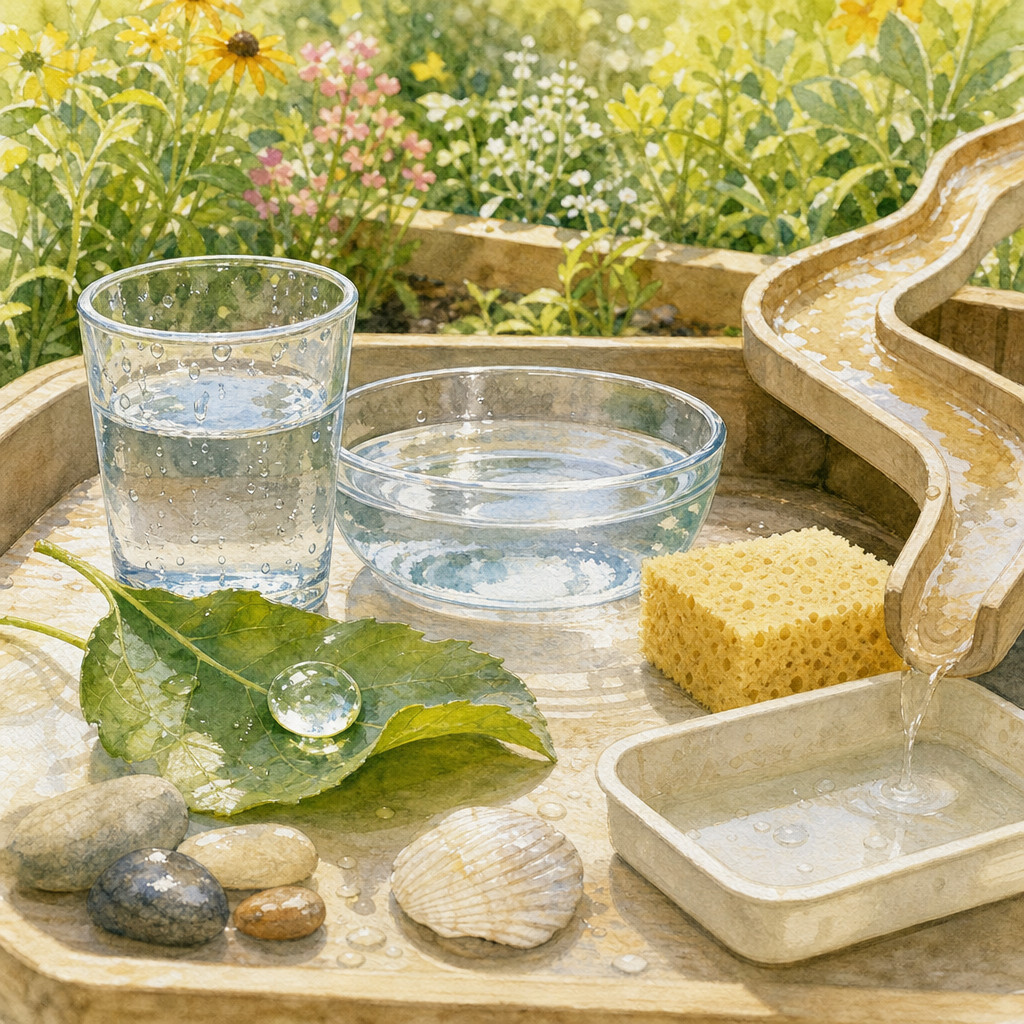
A fiber is one of the tiny strands that make a cloth. Many fibers fit together, with tiny spaces among them. Water clings to the fibers and moves into those spaces. That is how the cloth starts to absorb the spill.
Different cloths have different fibers and spaces, so water can move into them at different speeds. A cloth's name alone cannot tell us which will be fastest. Taking water in quickly is different from holding lots of water. A cloth that holds the most might take longer to soak up a little spill.
A fair test compares cloths using the same size pieces, the same amount of water, and the same waiting time. With a grown-up, you can put two different dry cloth pieces of equal size beside two matching trays. Your grown-up makes an equal small puddle on each tray. Can you guess what the water left behind will tell us?
The dry pieces and equal puddles are ready for the fair test. Starting with equal puddles gives both cloths the same job. Once the cloths touch the water, they can begin to absorb it. The water left on each tray will give us a clue.
Your grown-up lays both cloths flat onto their puddles at the same moment, without pressing or wiping. Both cloths stay there while you slowly count to three. Then your grown-up lifts them together and holds each above its own tray. Giving both cloths the same short time keeps the test fair.
The cloth that leaves less water on its tray took up more of the spill in that same short time. That cloth was faster in this fair test. If both leave the same amount, this test does not show a faster cloth. If both leave no water, another fair test with fresh dry pieces and a shorter wait may show a difference.
Absorb, fibers, fair test: water clings to fibers and moves into tiny spaces, and the puddle shrinks. We compare equal dry pieces, equal puddles, the same gentle touch, the same short wait, and the water left behind. The cloth that leaves the least water absorbed the spill fastest in our test, unless the cloths tie.
May your next little splash bring you a lovely new discovery.
 Fenn
 1
 2
 3