Why won't a block roll like a ball?
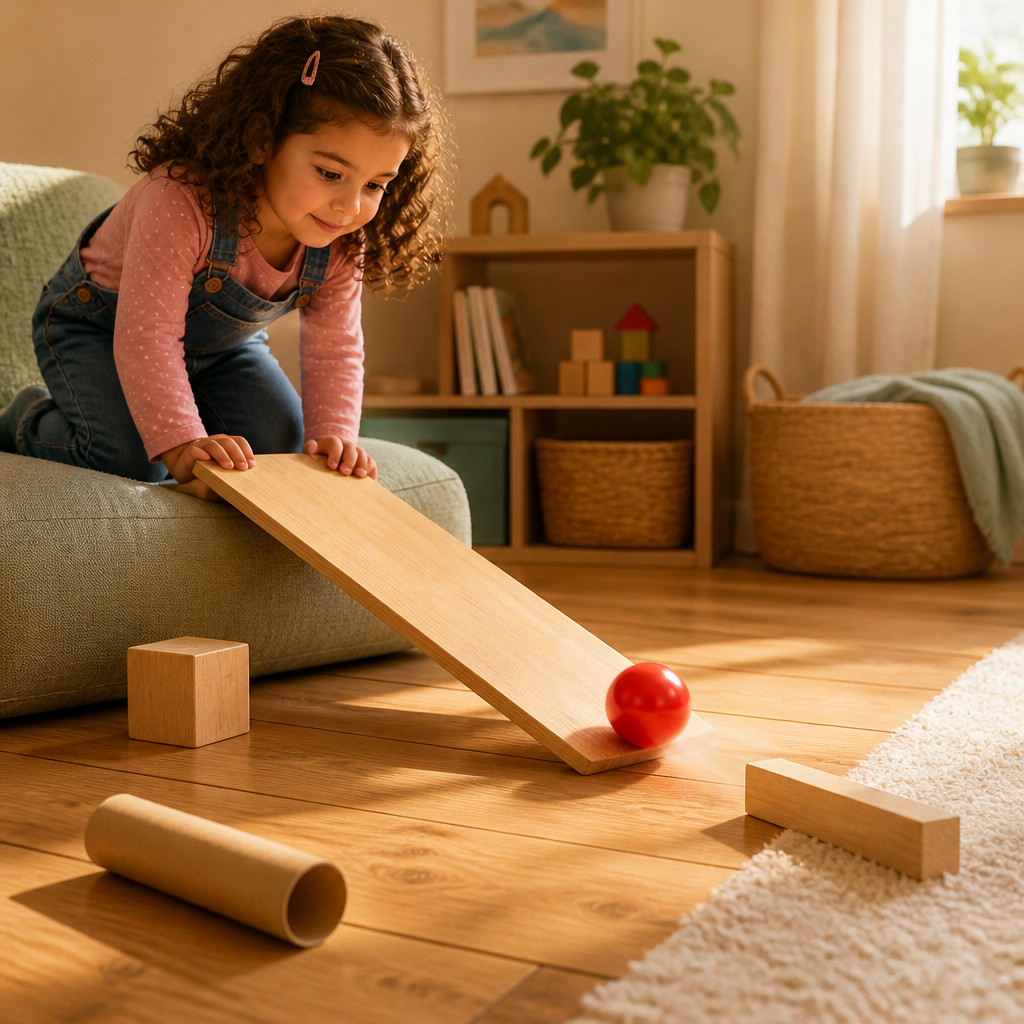
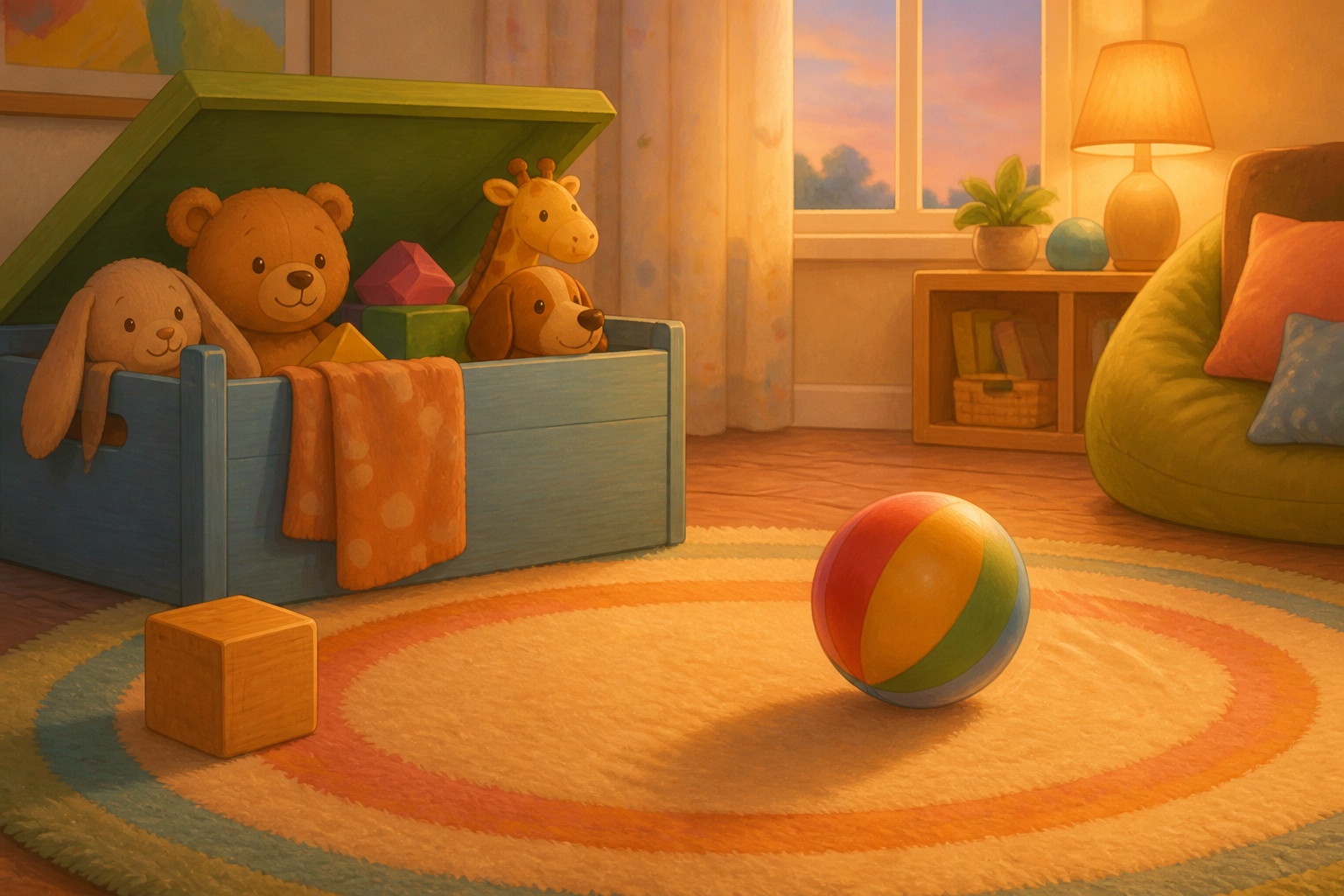
Picture your toy box. Hold a smooth ball in one hand and a hard wooden block in the other. Give the ball a gentle push, and away it rolls across the floor.
Now give the block the same push. It scoots a bit, and then it stops. So why won't a block roll like a ball?
Let's look at the ball first. A ball is round all over. It has no flat part anywhere. Only one tiny spot of it touches the floor.
When you push the ball, it turns. The next spot to touch the floor is round too, so nothing holds the ball still. It keeps turning and turning, and that is rolling.
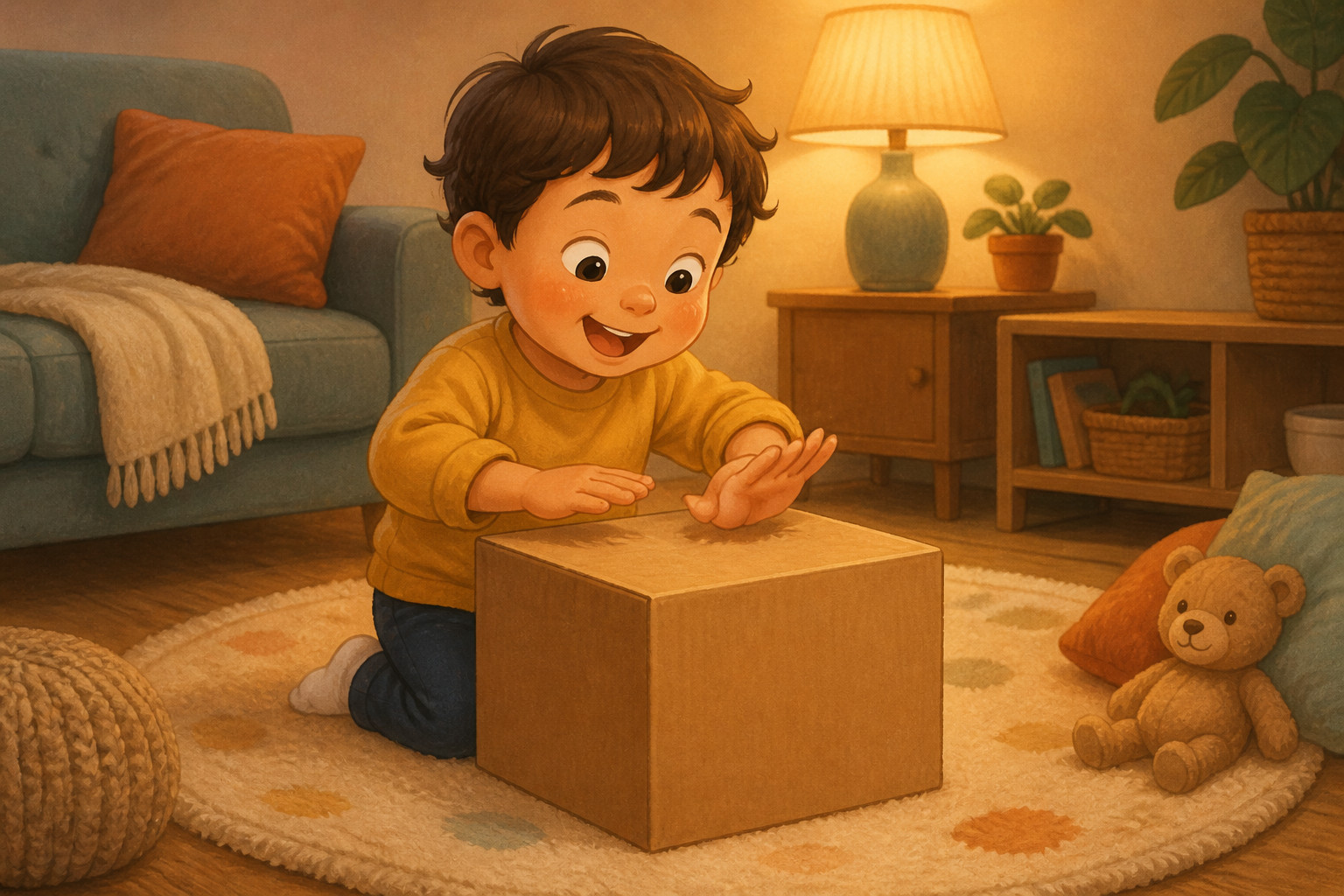
Now let's look at the block. A block has flat sides. The flat side at the bottom lies right down on the floor. That whole flat side holds the block still, like a book lying on a table.
Where two flat sides meet, there is a straight line. We call it an edge, which means the line where two flat sides meet. A block has edges all around it.
To turn over, the block has to tip up onto one edge. Your push must lift one side of the block off the floor to get it there. That takes a much bigger push than a ball needs.
Up the block goes, standing on its edge for a moment. Then it tips past the edge and falls the other way. What do you think happens when it comes down?
Bump! It lands on its next flat side. That flat side lies still on the floor, and the block stops. To move again, it needs another push to lift it over the next edge.
A block won't roll because its flat sides lie still on the floor. Your push must tip it over an edge, and then its next flat side stops it.
Far across the floor, the round ball is still rolling away. Beside your toy box, the wooden block sits quietly on one flat side, right where it landed.