Why does smell change how food tastes?
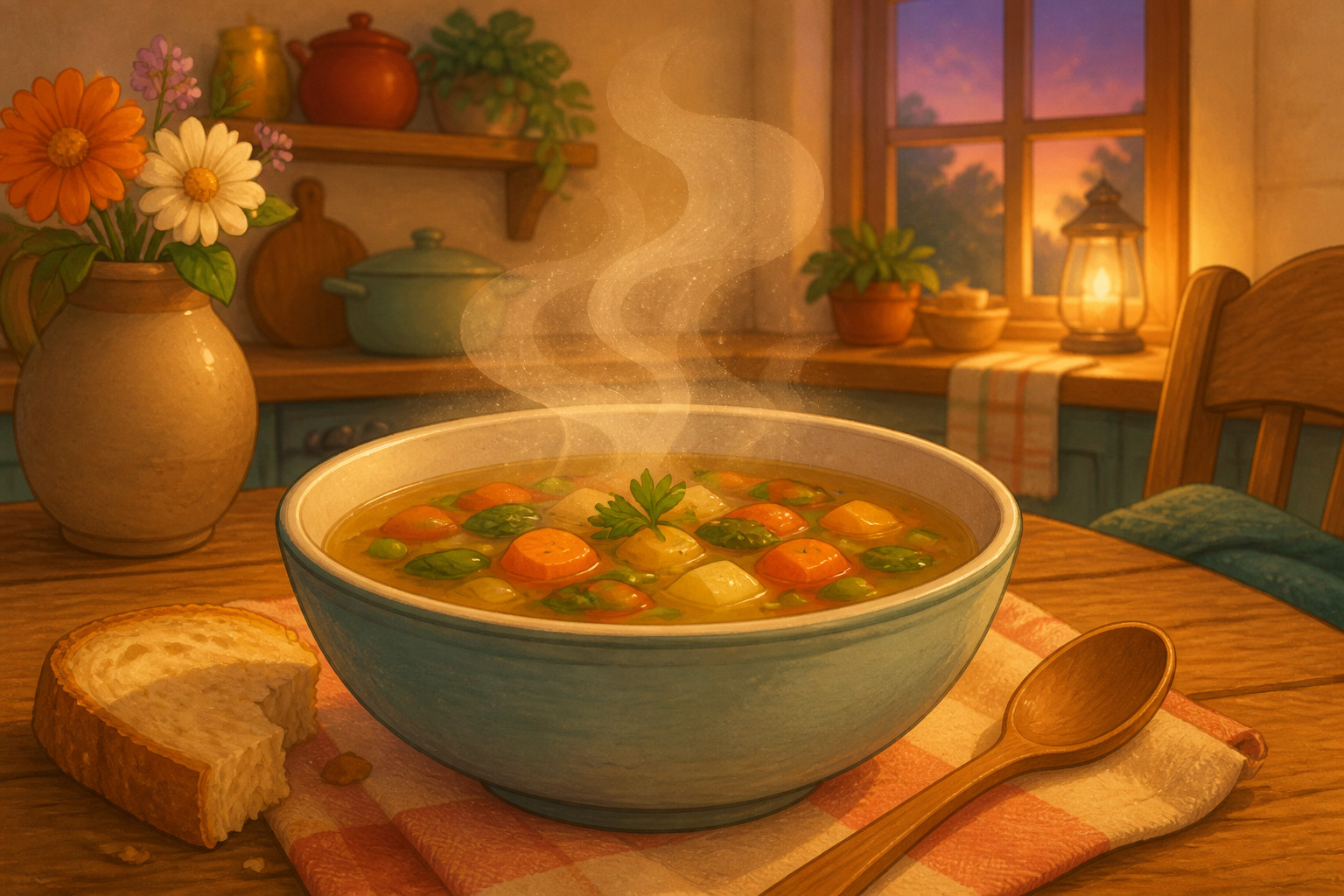
Think of a warm kitchen where cookies are baking. Breathe in slowly, and you can almost taste them already. Now think of a day with a cold, when your nose felt stuffed up and your soup tasted plain.
So here is a question to wonder about. Why does smell change how food tastes, when you eat with your mouth? Let's follow one bite and find out.
Your tongue is covered with bumps, and inside them sit taste buds, which are little tasting spots that notice the taste of your food. When you take a bite, your taste buds send a quick message to your brain. That message helps you know what you are eating.
Yet taste buds can tell only a few things. They notice sweet, salty, sour and bitter, plus the rich taste of soup broth. A strawberry and a cherry are both sweet and a bit sour, so your taste buds alone could not tell them apart.
As you chew, your teeth crush the food, and the warmth of your mouth helps it give off aroma, which means the smell that floats up from food. You cannot see aroma, but it rises from every bite. Where do you think the aroma goes next?
The aroma floats up a hidden path at the back of your mouth, right into your nose. Your nose sits just above your mouth, so the path is short. You smell your food from the inside, even while you are chewing.
High inside your nose, smell catchers notice the aroma. They send their own message to your brain, saying strawberry, or toast, or banana. Your nose can tell apart many more smells than your taste buds can tell tastes.
Now your brain gets two messages at once, one from your taste buds and one from the aroma in your nose. Your brain mixes them together into one taste. The sweet from your tongue and the strawberry smell from your nose become the taste of strawberry.
When a cold stuffs up your nose, the aroma cannot reach your smell catchers. Then only the message from your taste buds gets to your brain. With the smell part missing, your soup tastes plain.
Two words to remember: taste buds and aroma. When you chew, your food gives off aroma that floats up into your nose, and your brain mixes that smell with the message from your taste buds, so the smell becomes part of the taste.
Next time you sniff a warm supper, remember that your nose is helping you taste every cozy bite.