Why do buses change route when a street is closed?
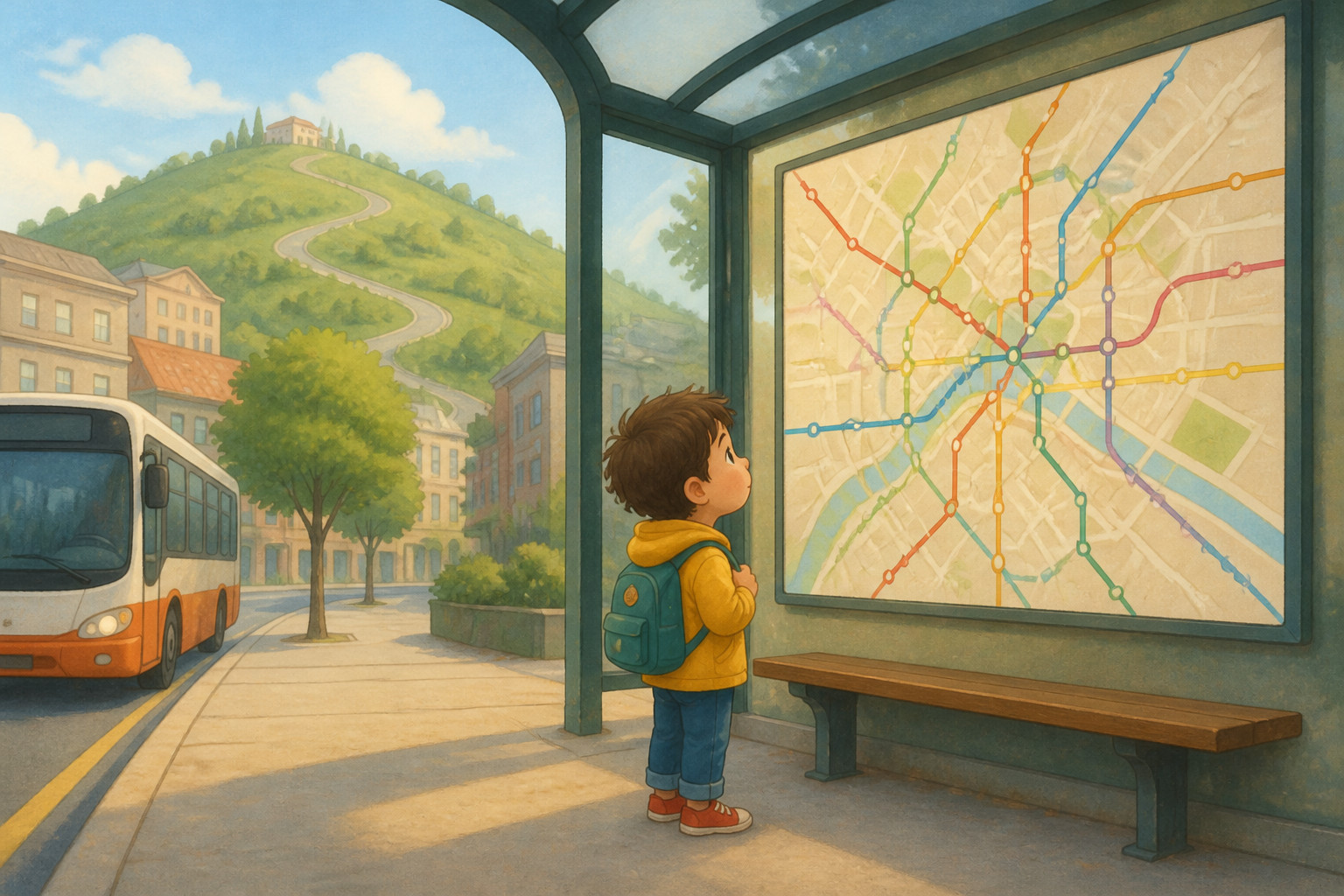
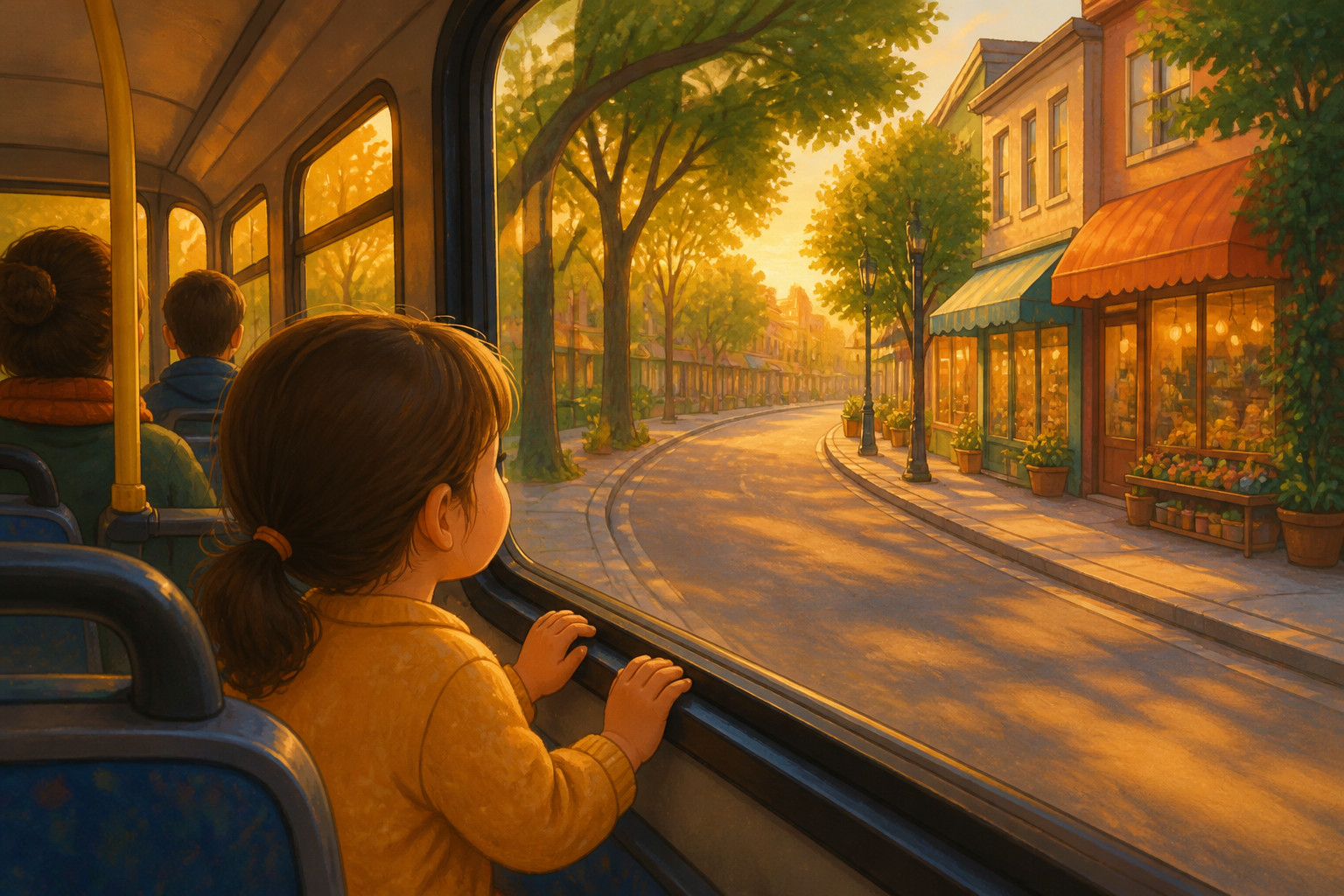
Have you ever sat on a bus and watched the streets roll past the window? One day, the bus turns a different way than it does every other day. Listen closely, and you can hear the blinker go tick, tick, tick as it turns.
Out the window, you spot orange cones and a big sign across the usual street. So you wonder: why do buses change route when a street is closed?
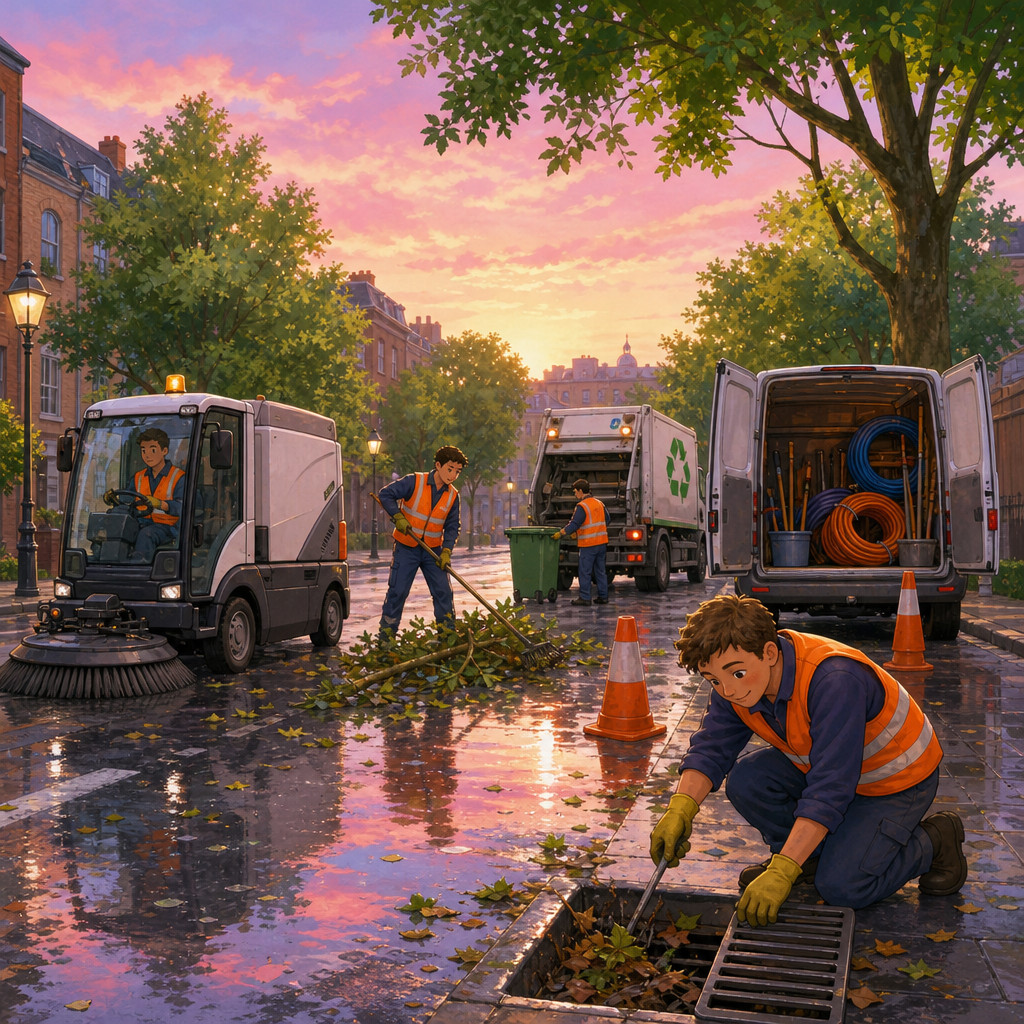
When a street is closed, workers put a barrier across it while they fix the road. The barrier keeps cars and buses out, so the workers stay safe where they dig.
A bus can't squeeze past a barrier the way a bike can. It's long and heavy, and it needs a wide, open road to roll along. With the street blocked, the bus has no way through.
Waiting at the barrier won't help, because fixing a road takes many hours. Meanwhile, the people on the bus need to get to school, to work and to the shops. So who do you think picks the new way for the bus to go?
People at the bus company pick it. They plan a detour, which means a different way around the closed part of the street. They choose streets wide enough for a big bus that lead back to the usual route fast. Then they tell every driver the new way.
The bus driver follows the detour turn by turn, steering the big bus around each corner with care. The driver takes the bus around the barrier and back onto its usual route.
That way, everyone on board still gets to school, to work and to the shops. That's why your bus turned a new way when the street was closed.
Workers block a closed street with a barrier, so a long, heavy bus has no way through. People at the bus company plan a detour, and the driver follows it around the barrier and back to the usual route.
The bus rolls past the last orange cone and swings back onto its usual street. Behind it, the workers keep fixing the road, safe behind their barrier, while the bus hums on toward the next stop.