What happens when you stop a ruler vibrating?
A ruler can help you draw a straight line, but it can also make a funny boing. Perhaps you have heard one buzz against the edge of a table. What happens when you stop a ruler vibrating?
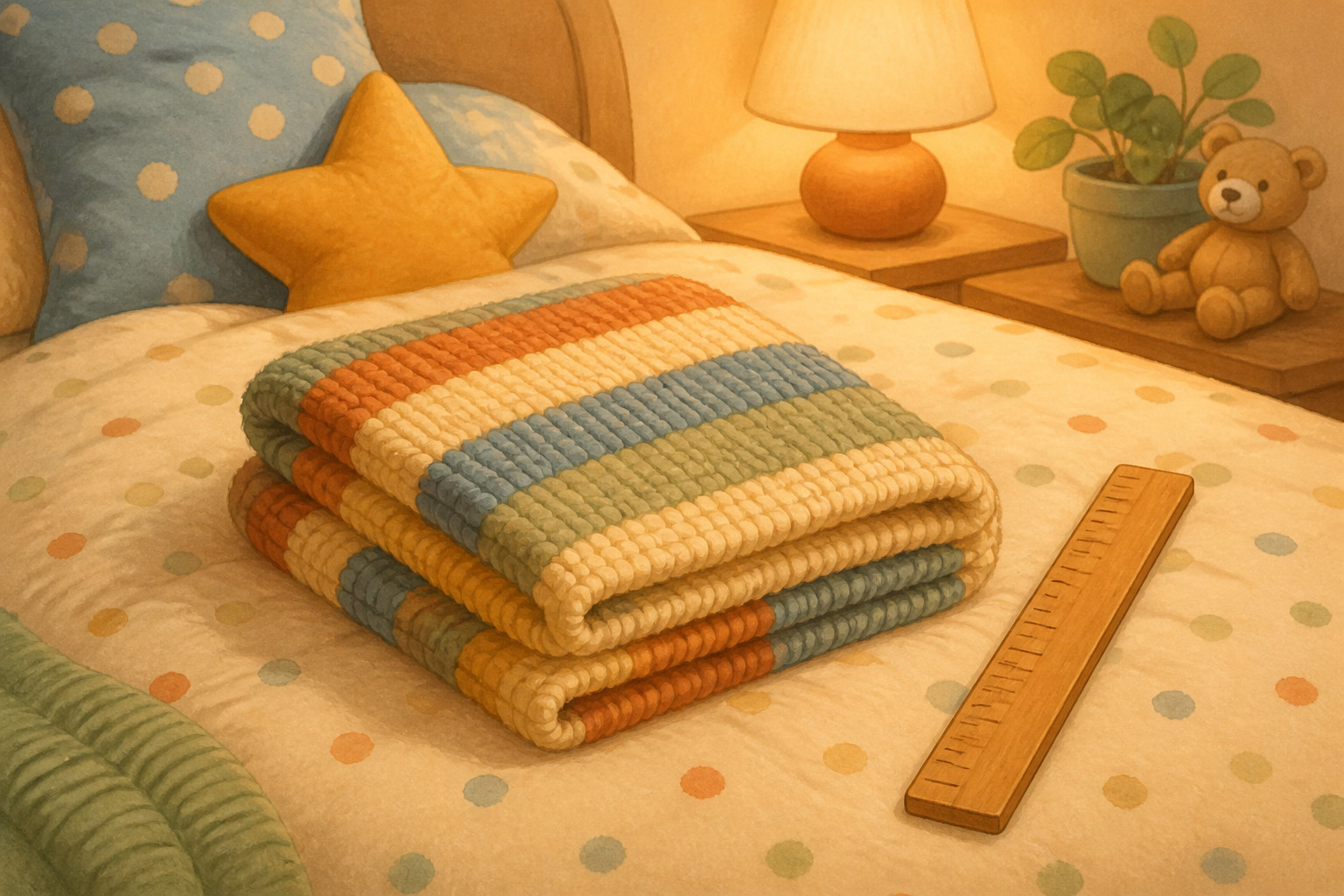
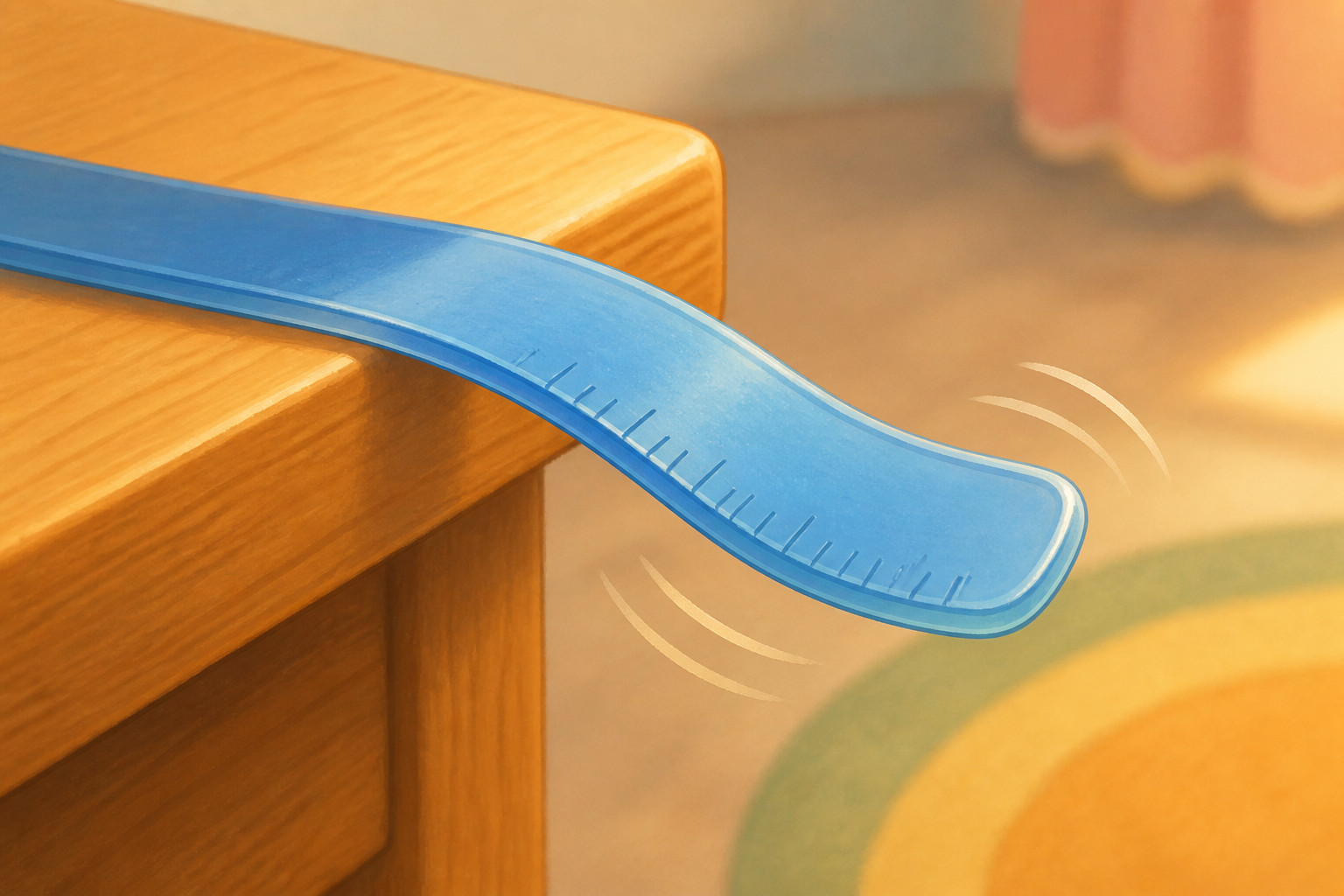
First, let's follow how the buzzing begins. You hold a bendy plastic ruler flat against a table, with a short part sticking over the edge. Holding the table end firmly lets the other end wiggle freely.
You gently bend the free end down a little, then let go. The bendy ruler springs back toward its straight shape, but it moves past that spot and bends the other way. Back and forth it goes.
That quick back-and-forth movement has a name: vibration. The ruler's vibration pushes against the air beside it again and again. Those tiny pushes start something moving through the air.
The pushes travel outward as sound waves, tiny squeezes and spreads moving through the air. Sound waves reach your ears, and you hear the ruler buzzing. The ruler stays at the table while its sound travels to you.
Now, a little guessing moment. What do you think will happen to the buzz if you gently hold the wiggling end still? Will the buzzing carry on, or stop?
When you hold the free end still, your hand stops its back-and-forth movement. The vibration stops because your hand keeps the ruler from bending back and forth. The ruler no longer gives the air those repeated pushes.
Without those pushes, the ruler makes no more buzzing sound waves. The waves already traveling reach your ears, and then the buzz ends. Other sounds around you can still carry on.
Here is the little chain: bend and release, vibration, sound waves, buzzing; then hold still, no vibration, no more buzzing sound waves. When you stop a ruler vibrating, its buzzing stops because the ruler no longer pushes the air back and forth.
You have discovered how a little wiggle can make a sound, and how holding it still brings a quiet moment.