What happens when snow lands on warm ground?
Have you ever caught a snowflake on your warm hand? It feels cold and soft for a moment. Then, poof, it is gone!
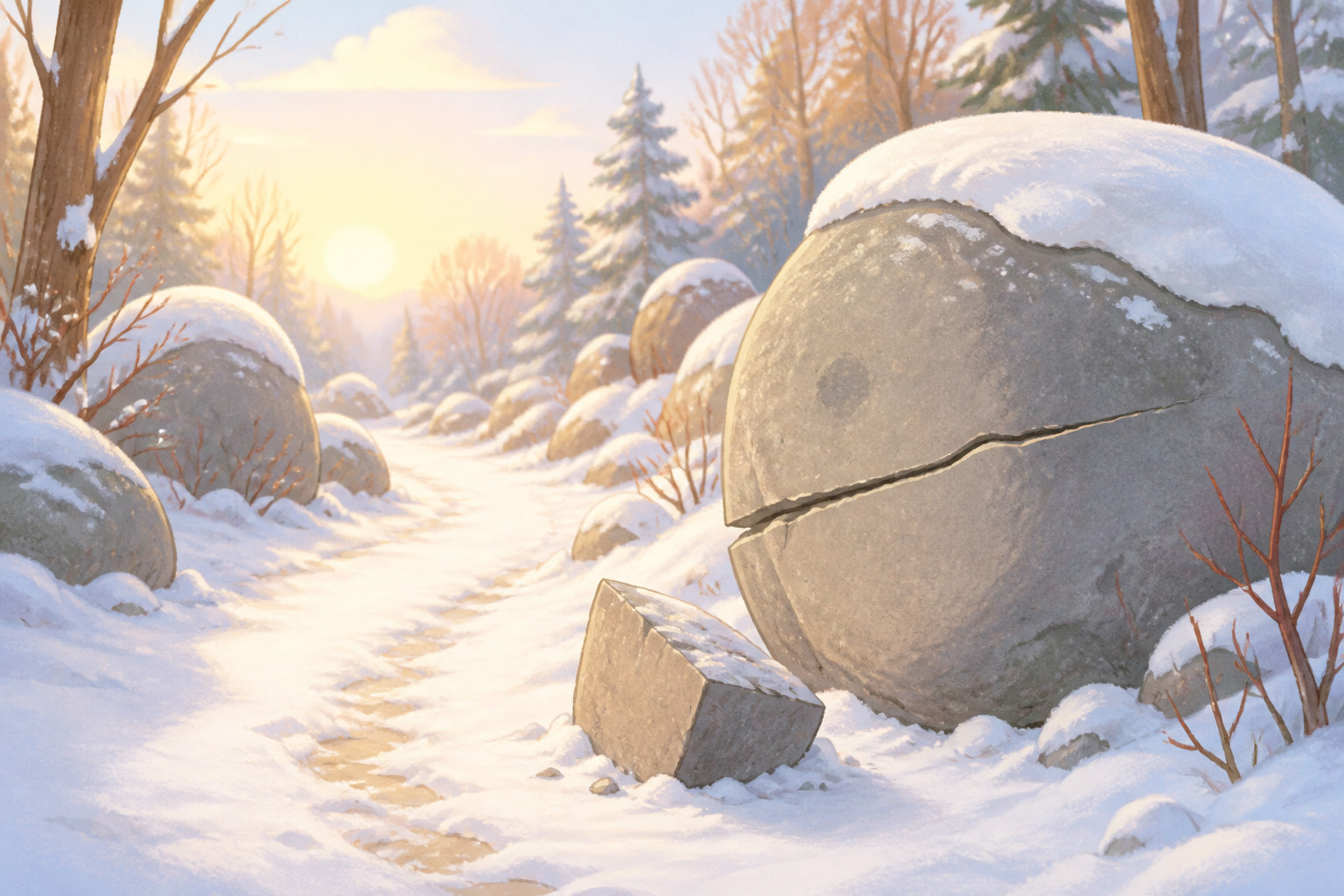
Now picture snow falling on a garden on a mild day, when the ground is still warm. The flakes drift down one by one. So what happens when snow lands on warm ground?
Each snowflake is a speck of ice, and ice is frozen water. That is why a snowflake feels so cold. The ground below is warmer, like your hand.
When the snowflake touches the warm ground, the ground warms it up. Warm things pass their warmth to cold things they touch. Your hand did the same thing to that snowflake.
As the snowflake gets warmer, its icy points go soft and round. Then the ice turns back into water, because it is no longer cold enough to stay frozen. The snowflake melts into a drop.
This water has a special name. It is meltwater, which means water that comes from melted snow. Every flake that lands on the warm ground becomes a small bead of meltwater.
More and more flakes come down and melt. Their meltwater spreads, and the ground turns dark and shiny and wet. Where do you think all that meltwater goes next?
The meltwater soaks into the ground. It trickles down between the crumbs of soil, the way water sinks into a sponge. Now the earth holds the meltwater inside.
Each new flake melts as soon as it lands, so the snow cannot pile up. No white blanket grows on the warm ground. You see only wet, dark earth.
Let's remember our special word: meltwater. Warm ground warms each snowflake, so it melts into meltwater that soaks in.
Snuggle in warm and cozy, and dream of soft snowflakes drifting down.
 1
 2
 3
 Fenn