What can old animal bones tell us about the past?
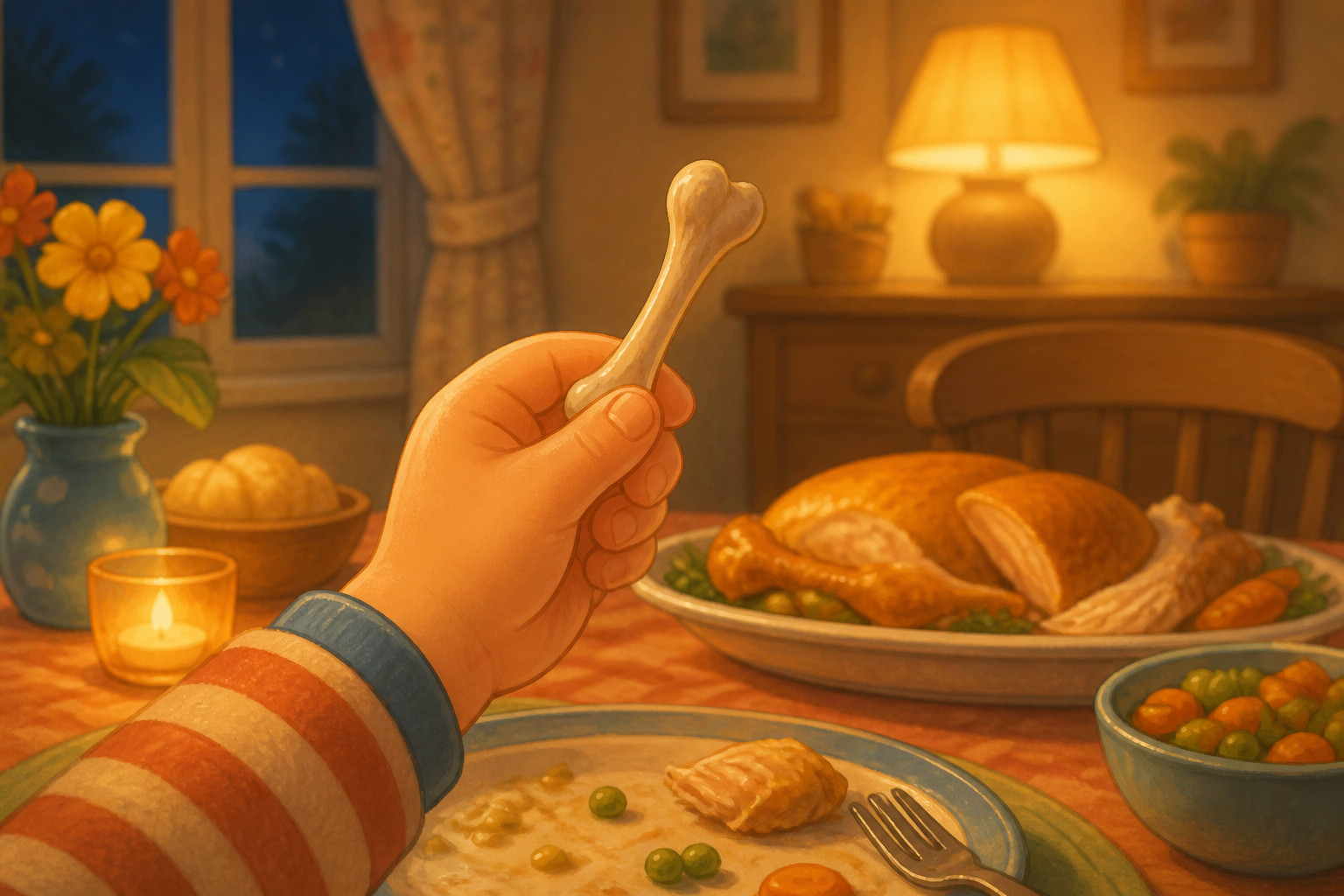
Have you ever held a chicken bone after dinner? Run your finger along it, and you feel how smooth and hard it is. People long ago ate dinners too, and they left their bones behind.
Many of those bones still lie in the ground, right where old villages once stood. So what can old animal bones tell us about the past?
The answer starts with how strong bones are. Wood, cloth and leftover food rot away in the soil, but bones are hard, so they stay in the ground for thousands of years. That makes them clues that last.
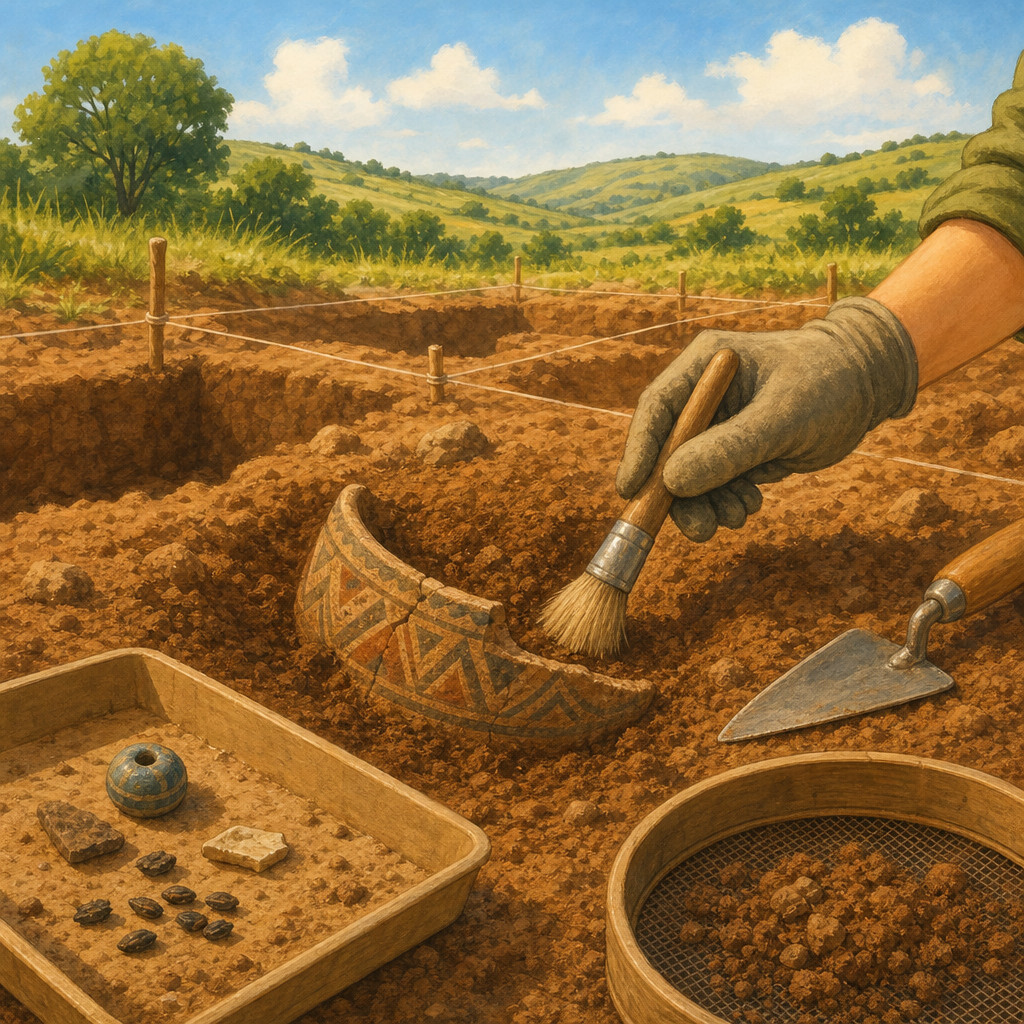
Archaeologists, which means people who dig up things left by people long ago, look for those clues. They dig slowly with small trowels and soft brushes, so the old bones come out of the soil without breaking.
First, the archaeologists ask which animal each bone came from, because every animal has its own bone shapes. Lots of sheep and cow bones show that the people kept farm animals. Lots of deer bones show that the people went hunting for their food.
Next, an archaeologist holds a bone under a magnifying glass to see its surface up close. On some bones, she spots thin, straight lines scratched across the bone, all in a row. What do you think made those lines?
Those lines are cut marks, which means lines that a sharp stone or metal knife left on the bone. Someone long ago cut meat off this animal, so the cut marks show that people ate it.
Beside an old fireplace, the archaeologists find bones that are black and brown from burning. Those dark bones show that the people cooked their meat over a fire, right there by their homes.
Then the archaeologists put all the clues together, like pieces of a puzzle. The kinds of animals, the cut marks and the burnt bones help them picture daily life in that village. Together they tell what the people ate, how they got their food, and how they cooked it.
Let's remember two words: archaeologist and cut marks. Old animal bones that archaeologists dig up, with their shapes, cut marks and burnt spots, show what people long ago ate, whether they hunted or farmed, and how they cooked.
Sleep well tonight, little explorer, and keep your eyes open for clues wherever you go.