Why do voices sound echoey in an empty room?
Think about a room with nothing in it, like a new house on moving day. You step inside and say hello. Your hello comes back hollow and ringing, as if the room is answering you. Even a clap of your hands sounds big and long.
In your bedroom, with your bed and toys and blankets, your voice sounds soft and close. So why does the very same voice sound echoey in an empty room? Let's follow your voice and find out.
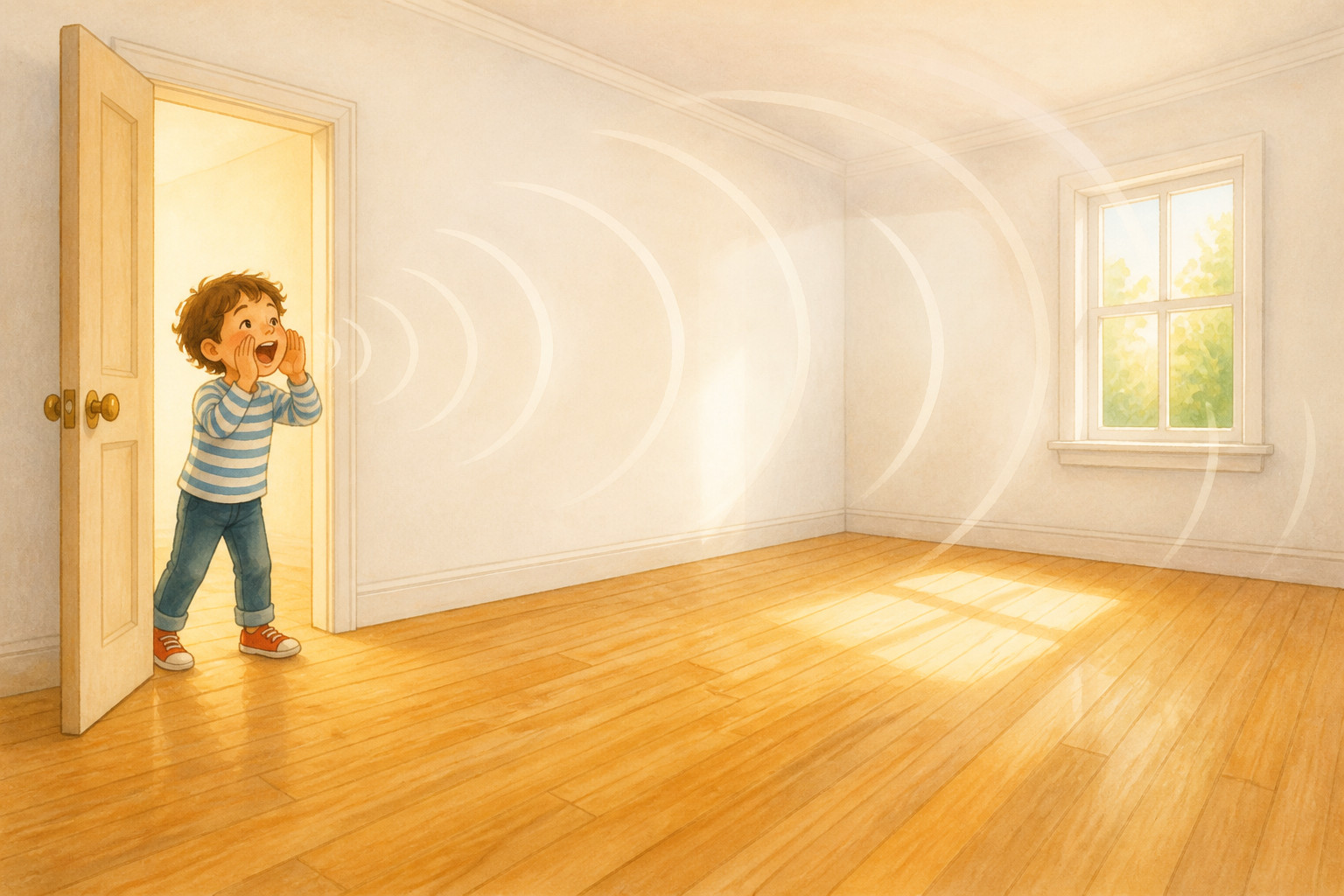
When you talk, something in your throat buzzes and shakes the air in front of you. That shaking makes sound waves, which means tiny wiggles of air that spread out like ripples on a pond. Sound waves are how your voice travels from your mouth to someone's ears.
Your sound waves don't travel in one thin line. The shaking air pushes on the air all around it, so the waves spread out in every direction. In a blink, they reach the walls, the floor and the ceiling.
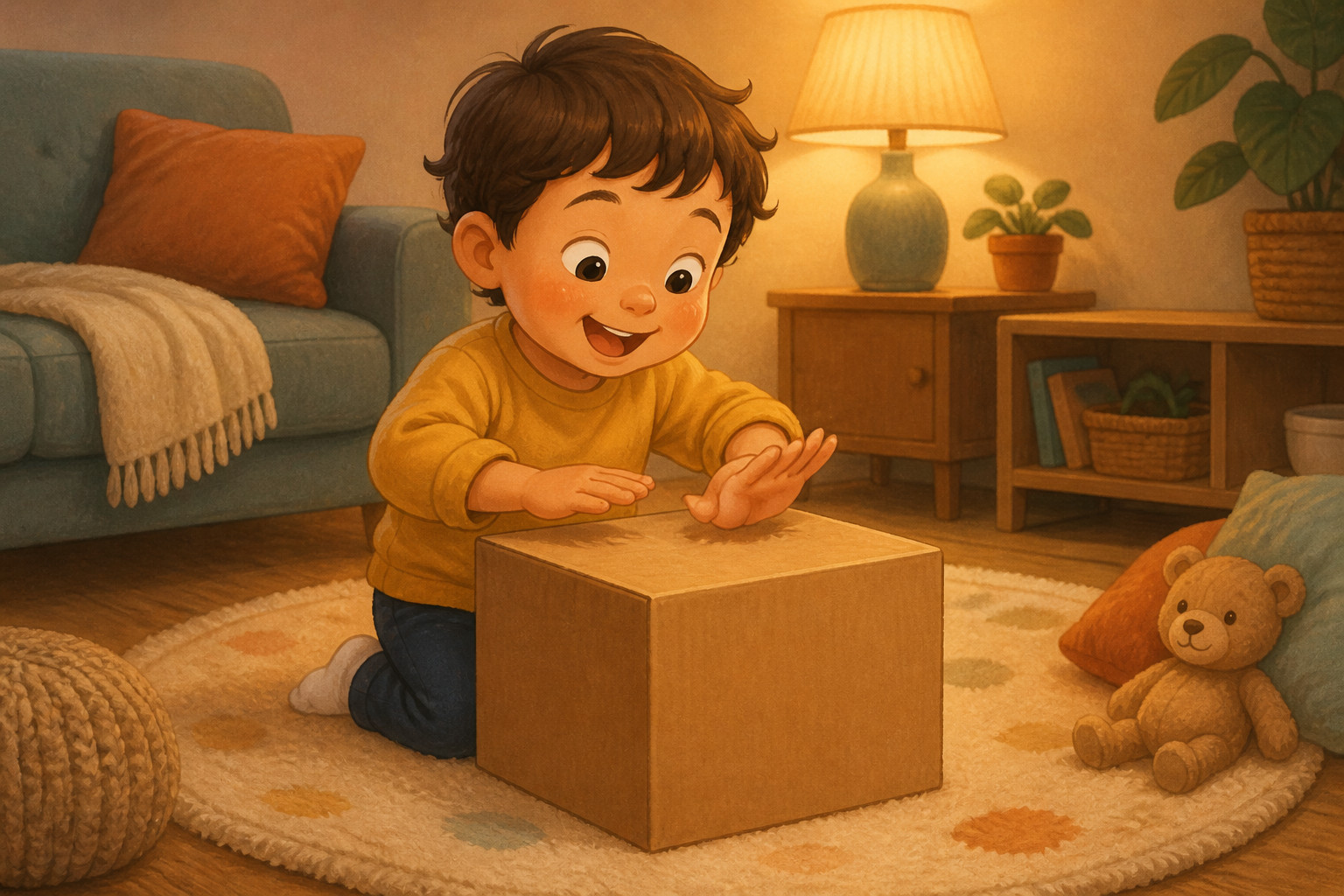
A hard, flat wall doesn't squish or bend when sound waves hit it. So the sound waves bounce right back into the room, the way a ball bounces off a wall. Bare floors and ceilings send them back too.
In an empty room, nothing stands in the way. The sound waves bounce from wall to floor to ceiling and back again, over and over. Now picture the same room with a fluffy rug, a soft couch and thick curtains. What do you think those soft things would do to the bouncing sound waves?
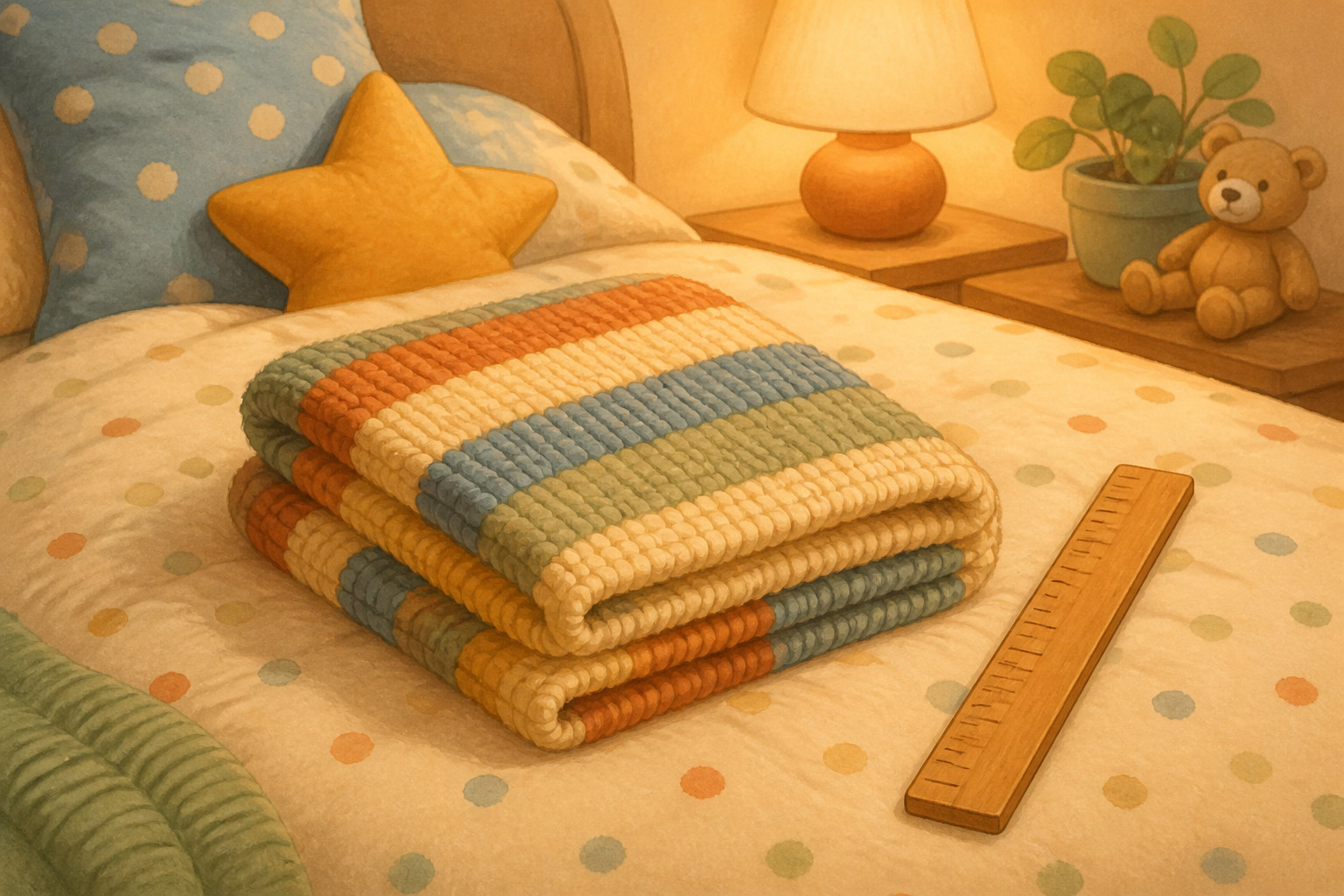
Soft things soak up sound waves, the way a sponge soaks up water. The waves sink into all the cozy cloth and lose their bounce. An empty room has no rug, no couch and no curtains, so nothing soaks the sound waves up, and they keep on bouncing.
All that bouncing carries your voice back to your ears again and again. Each bounce arrives a tiny moment after you speak, because it took a longer path around the room. Your ears hear your words, then lots of bounced copies blended together. That blend of late bounces is the hollow, ringing sound we call echoey.
Let's remember our key word: sound waves. Your voice sends out sound waves, the hard, bare walls bounce them back, and with nothing soft to soak them up, they keep reaching your ears a moment late and blend into that echoey sound.
Next time you walk into an empty room, you'll know just what your voice is doing, so go ahead and fill it with a happy hello.


 Fenn