Why can't we drive a Mars rover like a toy car?
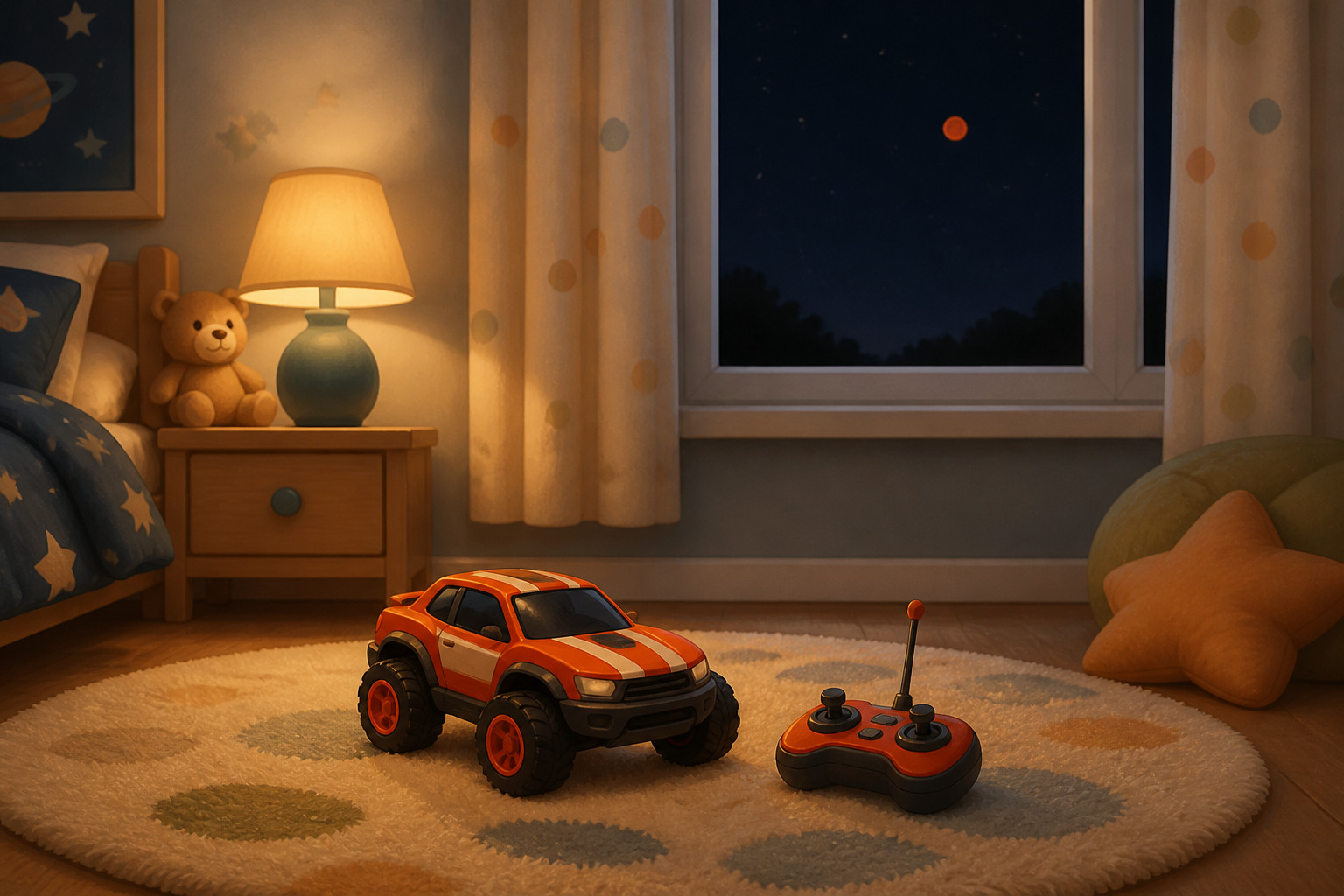
Think of a toy car with a remote control. You press a button, hear a little click, and the car turns right away. Far off on Mars, a robot car called a rover rolls across red dust and rocks.
People on Earth drive that rover. So why can't they steer it like your toy car, pressing buttons and watching it zip around? Let's find out together.
Mars is far, far away from Earth, much farther than the Moon. Even at its closest, Mars sits more than fifty million kilometres from us. Your toy car waits just a few steps from your hand, so your button press reaches it at once.
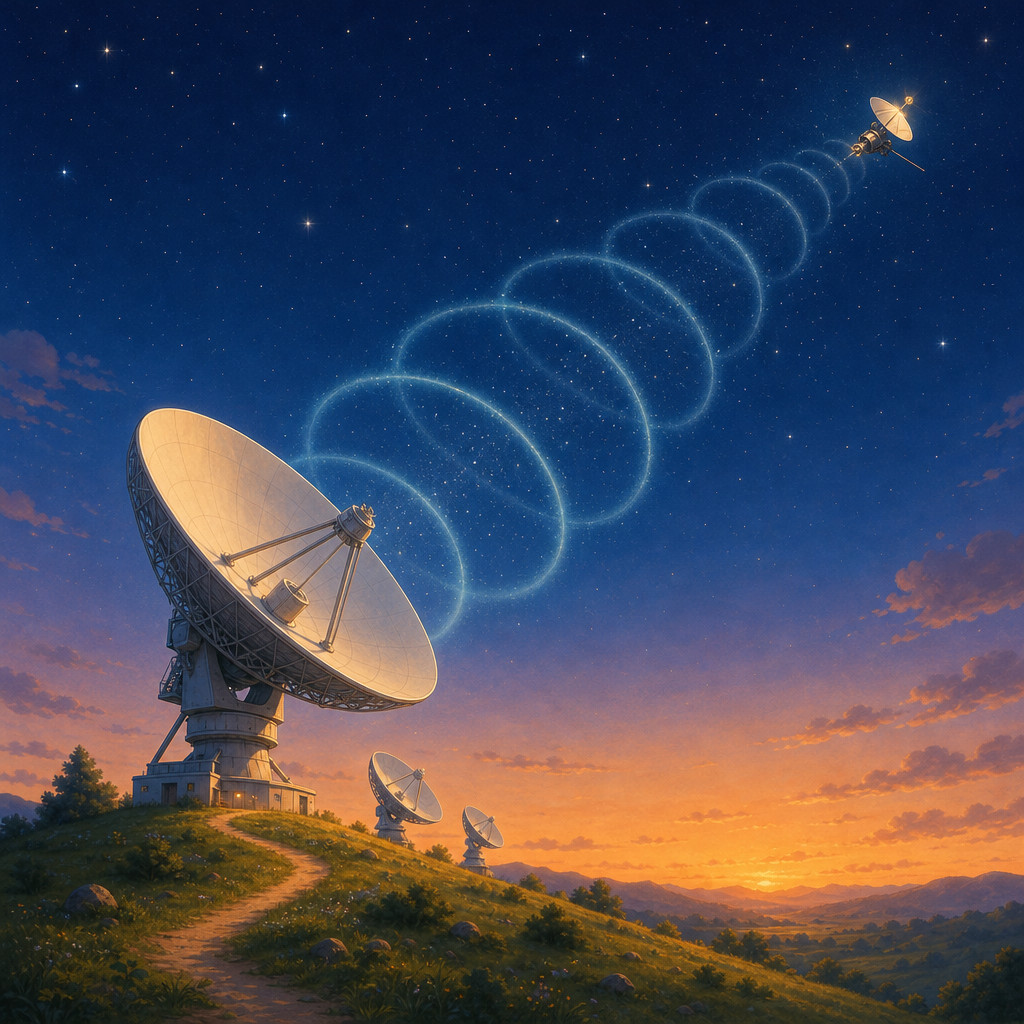
To tell the rover what to do, the rover drivers on Earth send a signal, which means a message that travels through space by radio. A signal is the fastest messenger there is. Still, space is so huge that even a signal needs time to cross it.
We call that wait a delay, which means the time a message spends on its way. A signal from Earth takes between three and twenty-two minutes to reach Mars, depending on how far away Mars is at the time. That is long enough to eat a whole bowl of cereal.
The rover's pictures have the same long delay on their trip back to Earth. So the drivers always see where the rover was many minutes ago, not where it is now. Imagine the rover zooming toward a big rock. What do you think would happen before the drivers could make it stop?
By the time the drivers saw the rock and their stop signal crossed space, the rover would already have bumped into it. And on Mars, nobody can walk over and set a tipped rover back on its wheels.
So the drivers plan each drive ahead of time. They study the rover's pictures, pick a safe path between the rocks, and send the whole plan in one signal.
Then the rover follows the plan all by itself. It rolls slowly and carefully, so its cameras have time to spot a rock too big to cross, and the rover can stop safely. This way, it never waits out a long delay before each little move.
Signal. Delay. Mars is so far away that every signal has a long delay, so the drivers plan ahead and the rover drives slowly by itself instead of zipping around like a toy car.
Next time you steer your toy car, you can smile and think of the patient rover far away, rolling gently across the red dust.