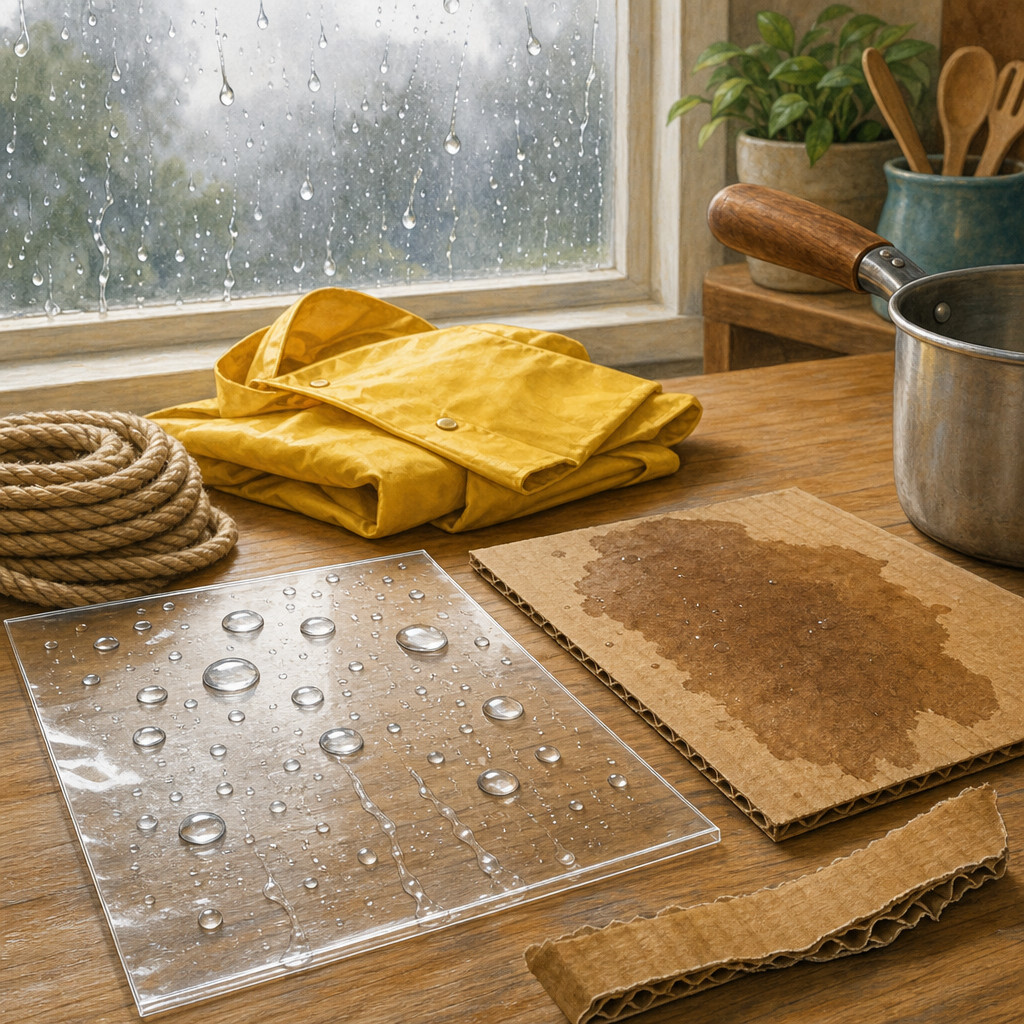
Why can we see through glass but not cardboard?
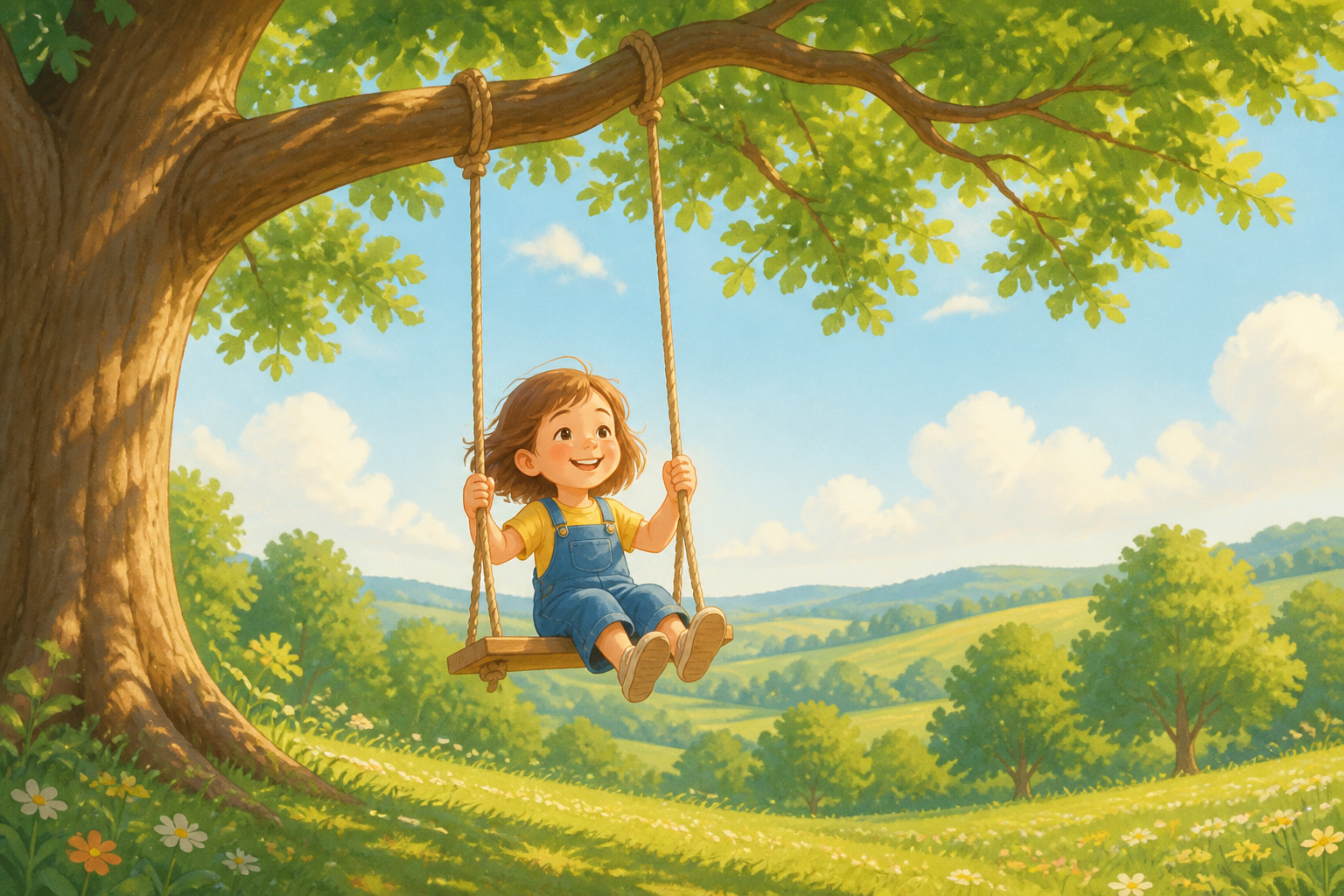
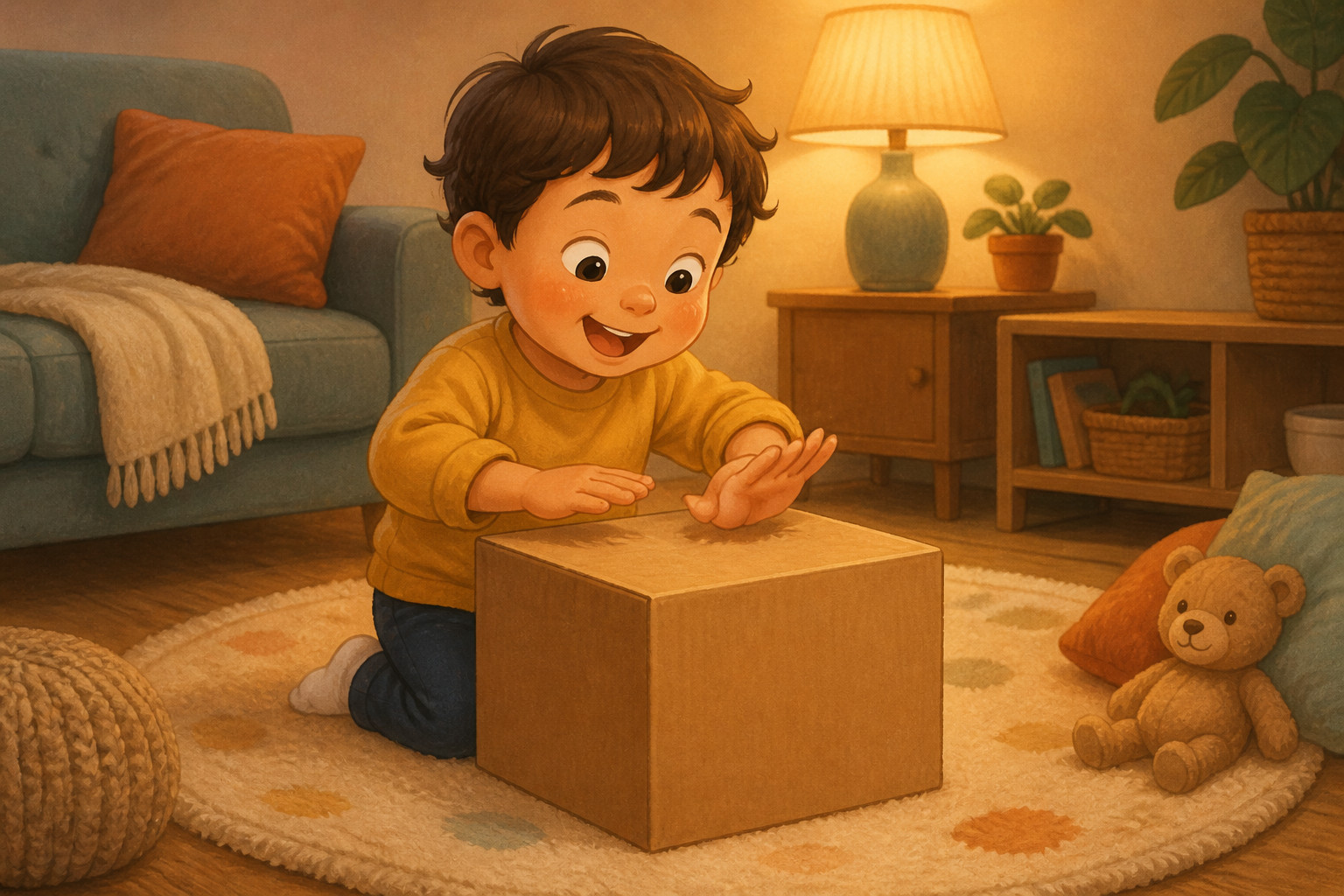
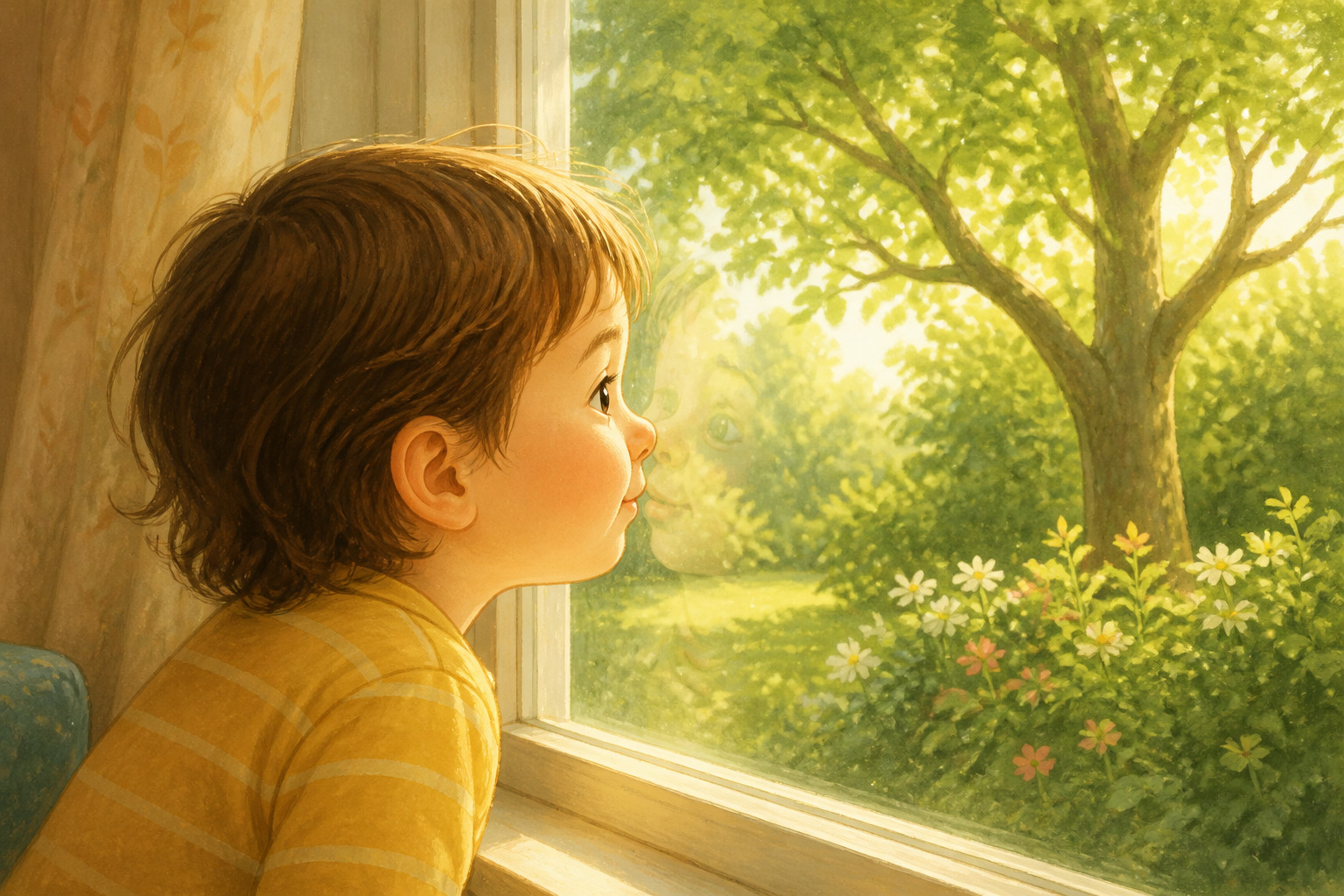
Have you ever pressed your nose against a cool window and watched the garden outside? You can see every leaf on the tree. But pop a cardboard box over your head, and everything goes dark.
The window and the box are both solid things you can touch. Yet one lets you see the tree, and the other hides it completely. So why can we see through glass but not cardboard?
To see anything, your eyes need light that comes from it. Sunlight lands on the tree and bounces off its leaves. That bounced light flies across the garden and into your eyes, and that is how you see the tree.
Glass lets that light pass straight through it. Glass is transparent, which means light can travel right through it so you see what is behind. The light from the tree goes through the window and reaches your eyes.
Why can light slip through glass so easily? Inside, glass is smooth and the same all the way through, with nothing for the light to bump into. So the light keeps going in straight lines, and the tree looks just as it is. Now, what do you think is inside cardboard that gets in the light's way?
Cardboard is made of fibers, which means tiny threads that come from wood. Millions of these fibers lie tangled and squashed together in thick layers.
When light reaches cardboard, it bumps into fiber after fiber. The fibers soak up some of the light and bounce the rest back out in all directions. So the light from the tree behind never makes it through to the other side.
That is why cardboard is not transparent. Your eyes catch only the light bouncing off the front of the box, so the cardboard is all you see.
Transparent, fibers. To see something, light from it must reach your eyes, and transparent glass has nothing inside for the light to bump into, so it lets that light pass straight through, while the tangled fibers in cardboard stop it.
Sweet dreams, and next time you look out of a window, think of the light slipping through the glass to say hello to your eyes.