How long can a raindrop stay frozen in a glacier?
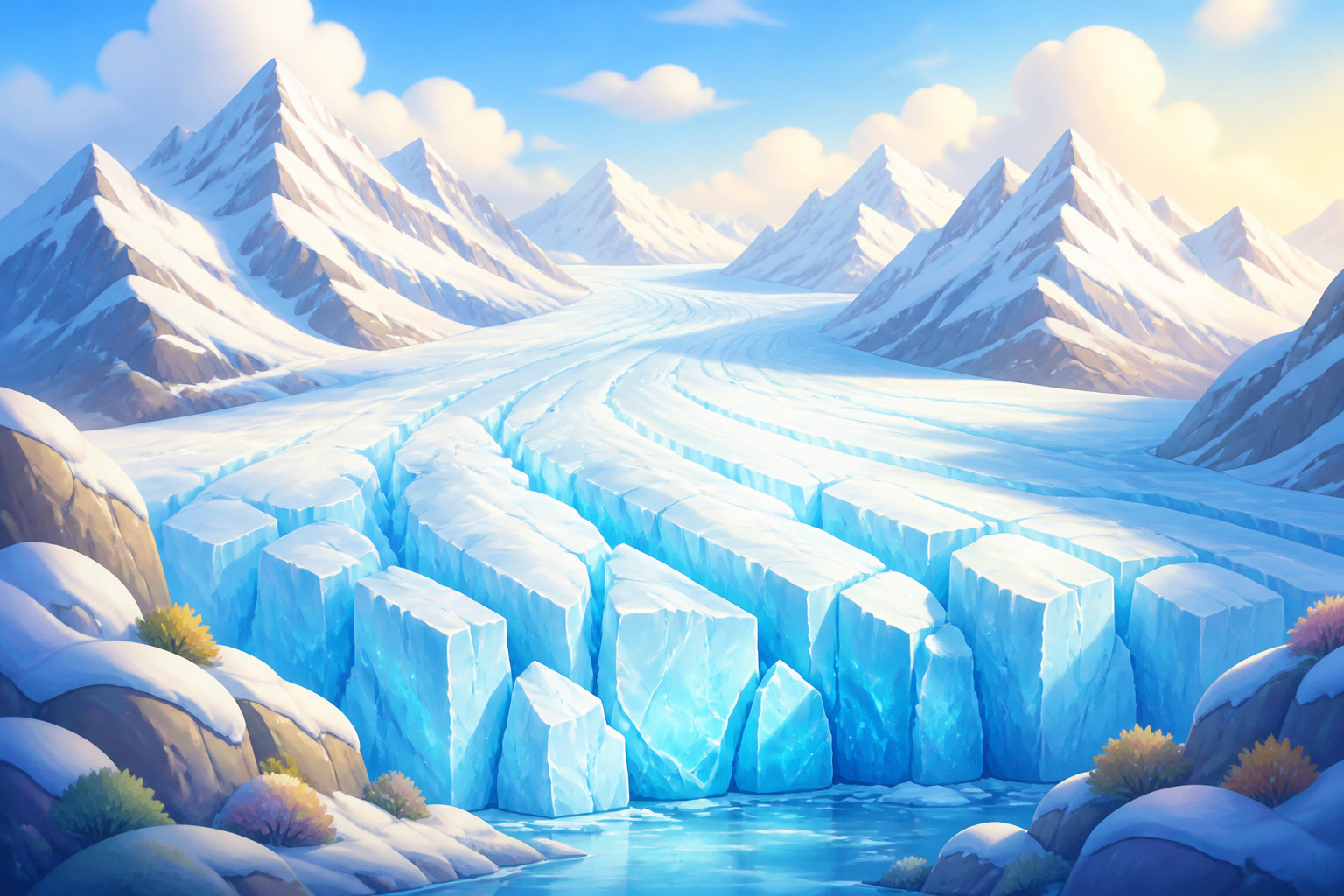
Have you ever held an ice cube and felt it go cold and wet in your hand? High in the mountains and far away at the bottom of the world, there are giant rivers of ice called glaciers. So here is a wonderful question to wonder about: how long can a raindrop stay frozen in a glacier?
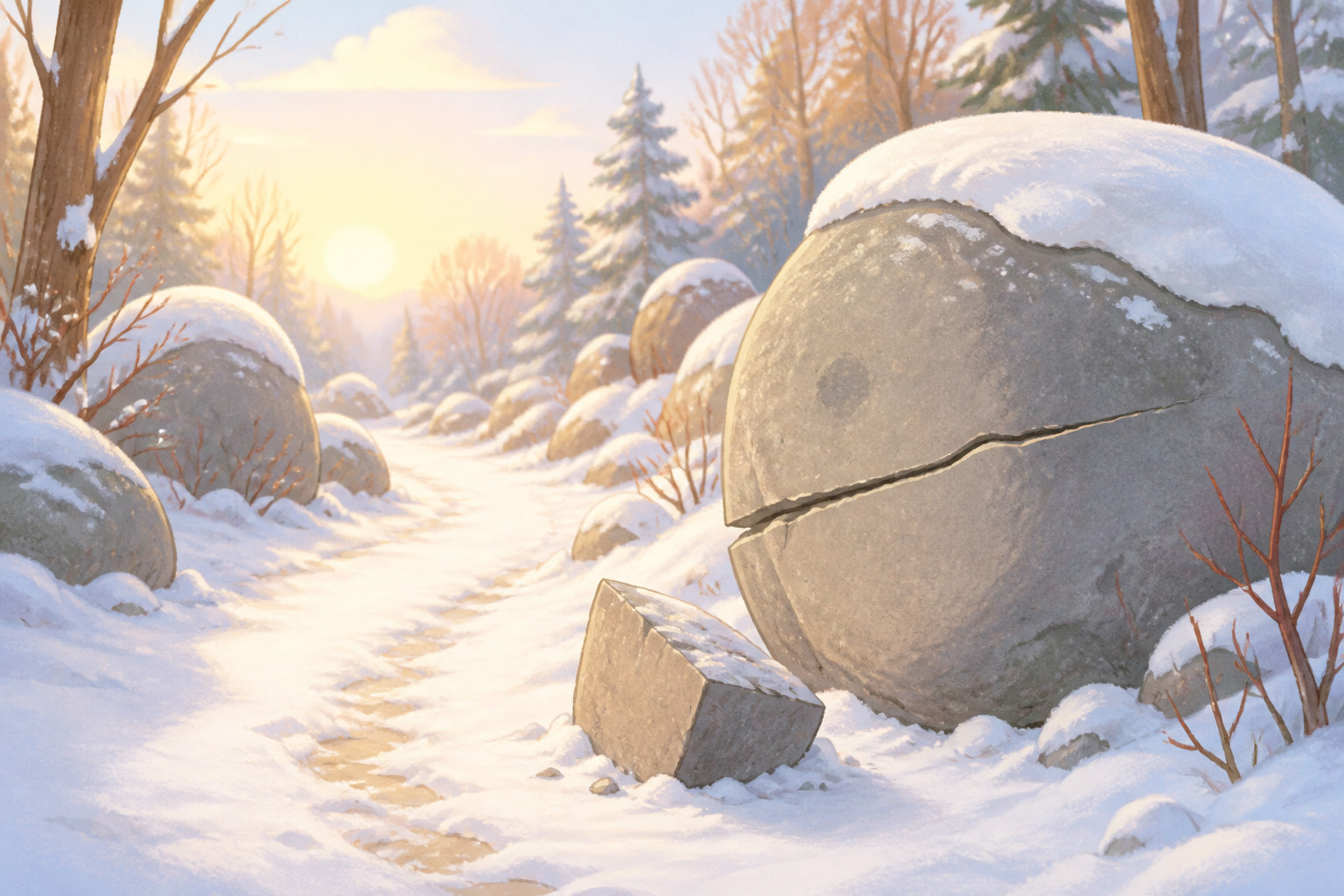
Up on a glacier, the air is very cold, so water from the clouds falls as snow instead of rain. Our little drop lands on the glacier as a tiny snowflake.
Summer up there stays too cold to melt all the snow, so our snowflake does not melt away. Next winter, new snow falls right on top of it, like a fresh white blanket.
Year after year, more snow piles up and buries our snowflake deeper and deeper. All that snow on top is heavy, like a giant stack of pillows. What do you think happens to the soft snow at the bottom when all that weight presses down on it?
The weight squeezes the old snow tight and pushes out the air between the flakes. Bit by bit, the fluffy snow turns into hard, clear ice. Now our little drop is frozen inside the glacier, deep down in the cold and dark.
A glacier never stays still, though. Its heavy ice creeps downhill, slower than a snail, and it carries our frozen drop along inside it.
At the low end of the glacier, the air is warmer. There the ice melts into little streams, or big chunks break off and float away in the sea. That is where our drop finally turns back into water.
So the drop stays frozen for as long as its trip through the glacier takes. In a mountain glacier, the ice reaches the warm end in a few hundred years. When the snow fell, even your grandparents' grandparents were not born yet.
At the bottom of the world lies a cold land called Antarctica. An ice sheet covers it, which means a glacier so huge that it spreads over a whole land. In the thickest places, the ice is as deep as a big mountain is tall.
Deep inside the ice sheet, the oldest ice hardly moves at all, and no warm air ever reaches it. Scientists have drilled down and found ice there that has stayed frozen for more than a million years. That ice was already waiting before there were any people like us on Earth.
Our special word today: ice sheet. A drop buried by new snow stays frozen until the creeping ice carries it to the warm end, a few hundred years in a mountain glacier, but deep in an ice sheet the ice hardly moves, so it stays frozen for more than a million years.
Next time you watch snow falling, you can picture one tiny flake beginning its long, quiet sleep inside the ice.