How do we count the stars in the Milky Way?
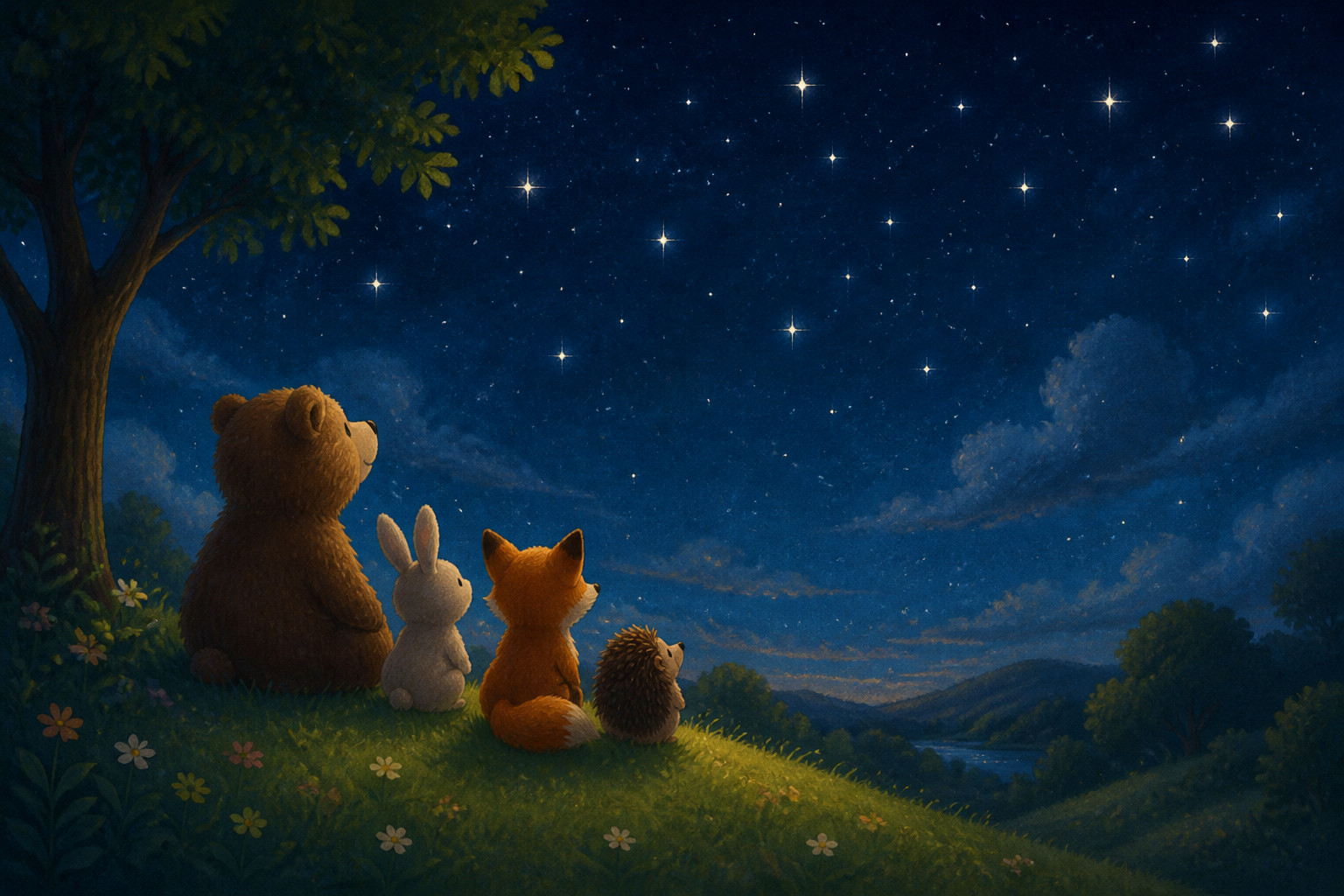
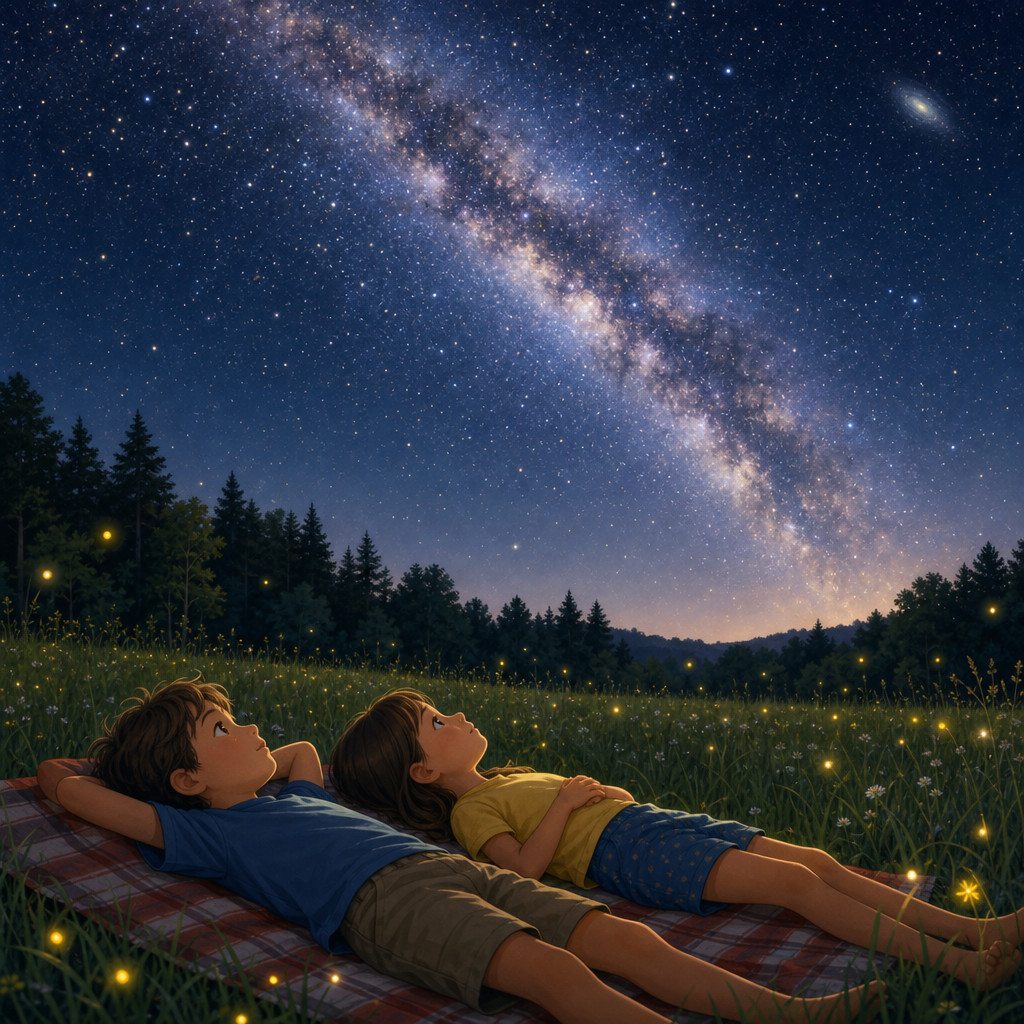
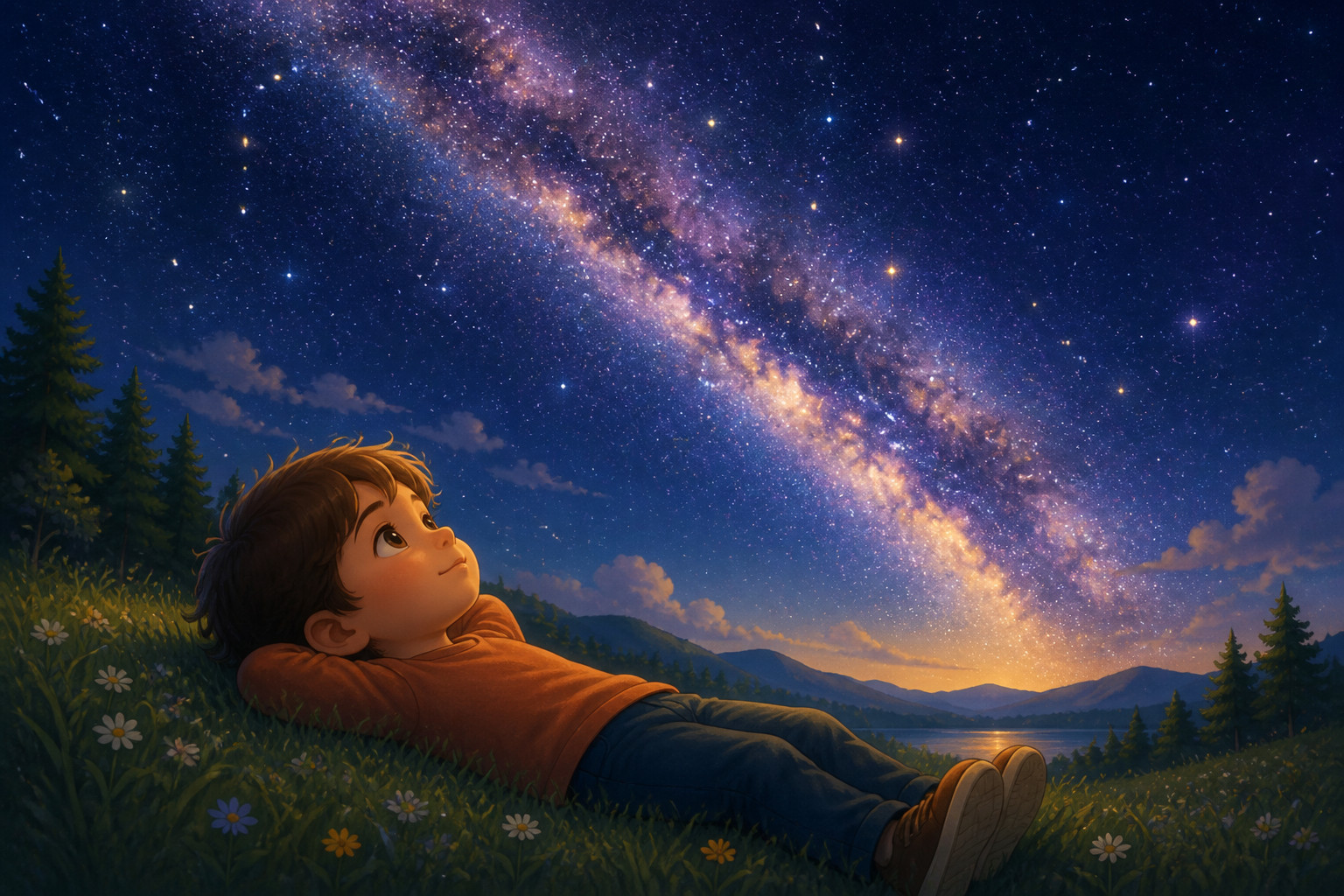
On a clear, dark night, the sky fills up with tiny twinkling lights. If you lie on the grass and look up, you can feel the cool air and spot more stars the longer you stare. Every single star you can see belongs to the Milky Way, the huge family of stars our Sun lives in.
With so many stars up there, it is hard to know where anyone could even begin. Could a person count them all? How do we count the stars in the Milky Way?
Scientists who study the stars start with a big telescope that takes pictures of the night sky. A telescope catches faint starlight that your eyes miss. That way, its pictures show many more stars than you can see from the grass.
The Milky Way holds far too many stars to count one by one. So the scientists choose one small square of their picture, called a sample, which means a small piece you count to learn about the whole. A sample works like one spoonful that shows you what the whole bowl holds.
Next, the scientists count every star inside their sample, and a computer helps them spot each tiny dot. Let's say they count one hundred stars in that one small square. Now imagine the whole picture holds ten squares, each one just as full. How many stars do you think the whole picture shows?
Ten squares with one hundred stars each make one thousand stars, because ten times one hundred is one thousand. The scientists counted only one square, yet they still know the total for the whole picture. This number is called an estimate, which means a careful guess built from real counting.
The real Milky Way stretches much farther than one picture, so scientists take samples from many different parts of the sky. Some places shine thick with stars, and other places look almost empty. More samples from more places give them a better estimate.
Big clouds of dust float between the stars and hide many of them. To find those hidden stars, scientists also use special telescopes that catch a kind of light that slips right through the dust. With those telescopes, their samples show the hidden stars too.
When scientists put all their samples together, their estimate reaches somewhere between one hundred billion and four hundred billion stars. Nobody knows the exact number yet, because no one can count every star. That number is big enough that counting one star each second would take thousands of years.
Sample, estimate. Scientists count the stars in small samples of the sky, then use those counts to make an estimate for the whole Milky Way.
Sleep tight, little star counter, while all those stars keep twinkling over you.
 Fenn