Why do plants on a footpath stay so short?
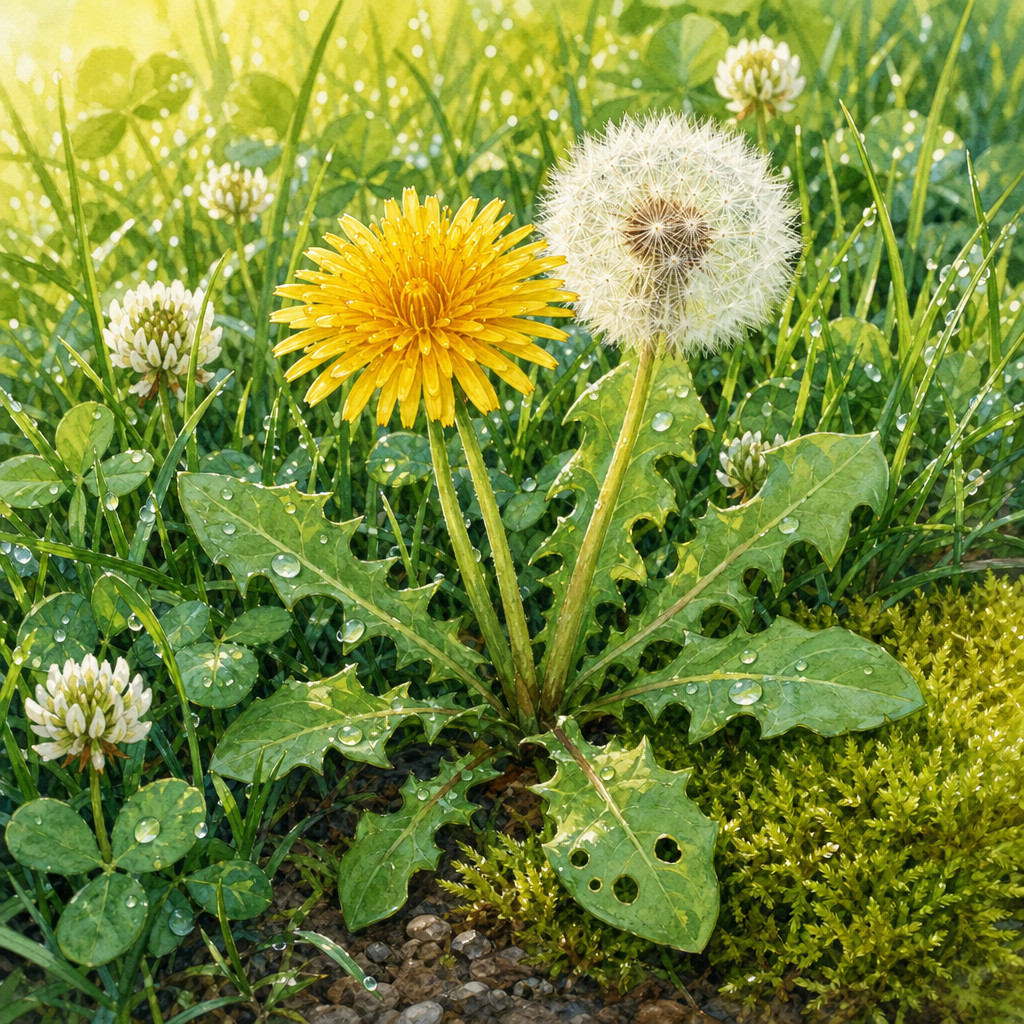
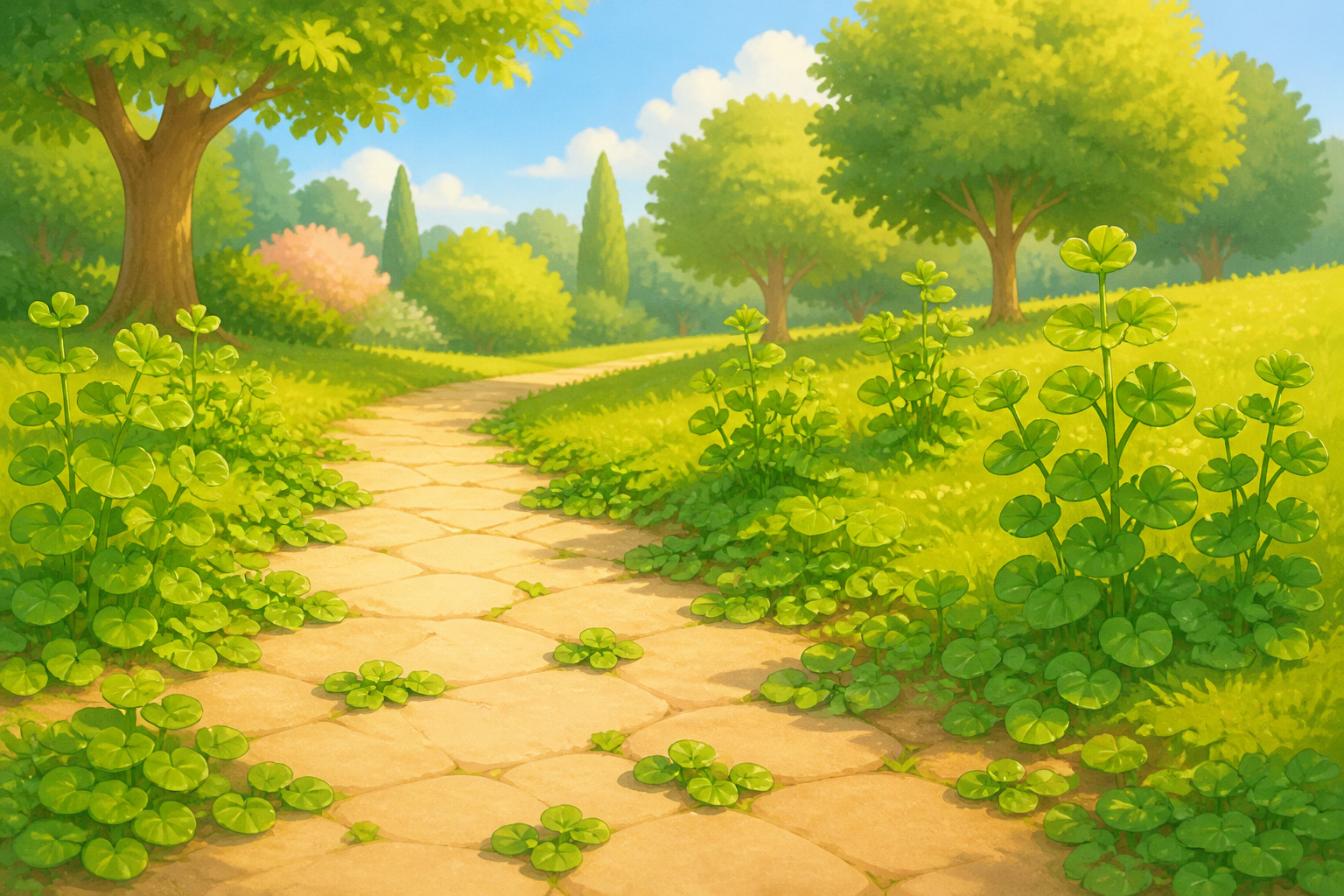
Next time you walk along a footpath, look down at the edges and the cracks. Little green plants sit there, low and flat against the ground. Just a few steps away, in the grass beside the path, the same kinds of plants stand much taller.
So why do the plants on a footpath stay so short? Let's find out together.
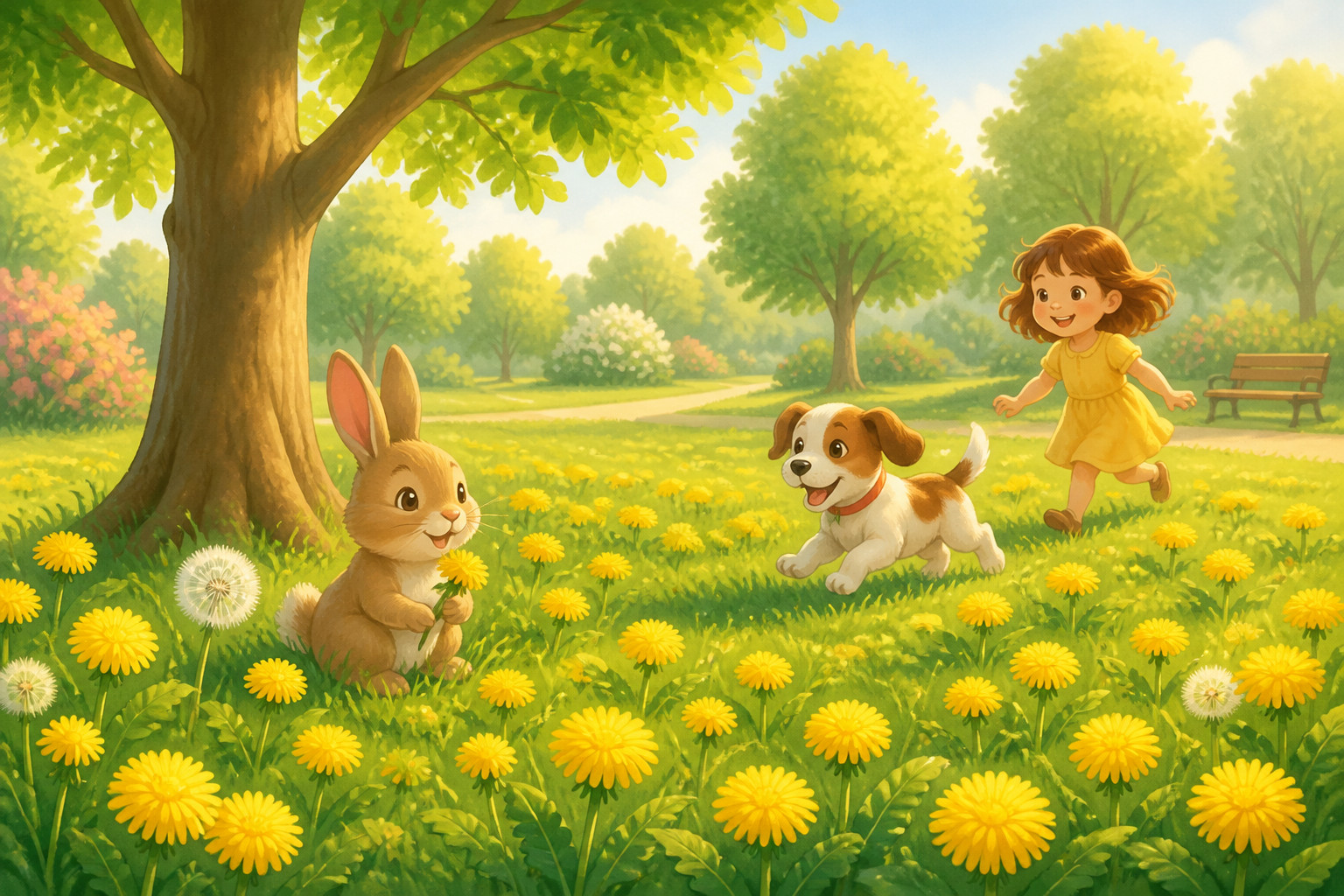
Every day, lots of people walk along the path, and dogs trot there too. All those feet step on the same plants again and again. We call this trampling, which means pressing something down hard with many, many steps.
When a path plant starts to grow a tall stem, trampling bends it and snaps it. The broken top can no longer get water from the roots, so it wilts and dries up. The plant has to start again from low down.
The plants that do well on a path keep their leaves flat, spread out in a ring on the ground. A shoe presses them down, but nothing tall sticks up to snap. The flat leaves bend and spring back, and the plant keeps growing low.
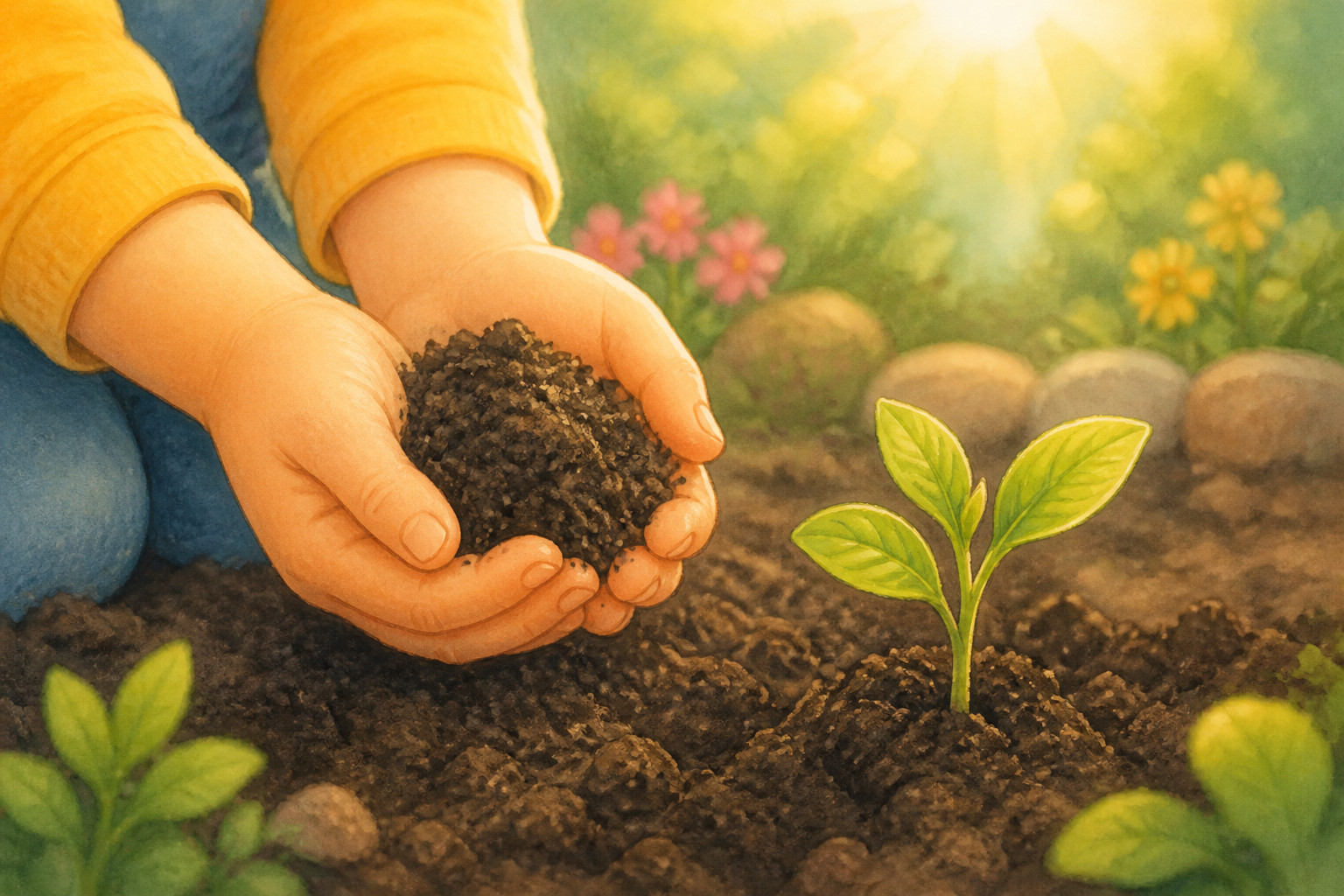
Now let's look under the plants. Trampling squeezes the soil too, pushing the tiny bits of earth tight together. We call soil like this compacted, which means pressed so tight that hardly any space is left inside. What do you think happens to a plant's roots in compacted soil?
The roots can hardly push their way through it. Compacted soil has almost no little gaps for rainwater and air, and roots need both to grow. So the roots stay small and short.
Small roots bring up only a little water for the plant. Without enough water, a plant cannot build a big, tall body above the ground. That is the second reason path plants stay short.
Remember two words: trampling, compacted. Trampling by lots of feet snaps tall stems and makes the soil compacted, so the roots stay small and the plants stay short.
Sleep well, little explorer, and next time you walk a path, you will know why those tiny green plants hug the ground.