Why do pictures from Mars take so long to get to us?
A picture can pop onto a phone before you finish a yawn. Pictures from Mars need more patience. Why do pictures from Mars take so long to get to us?
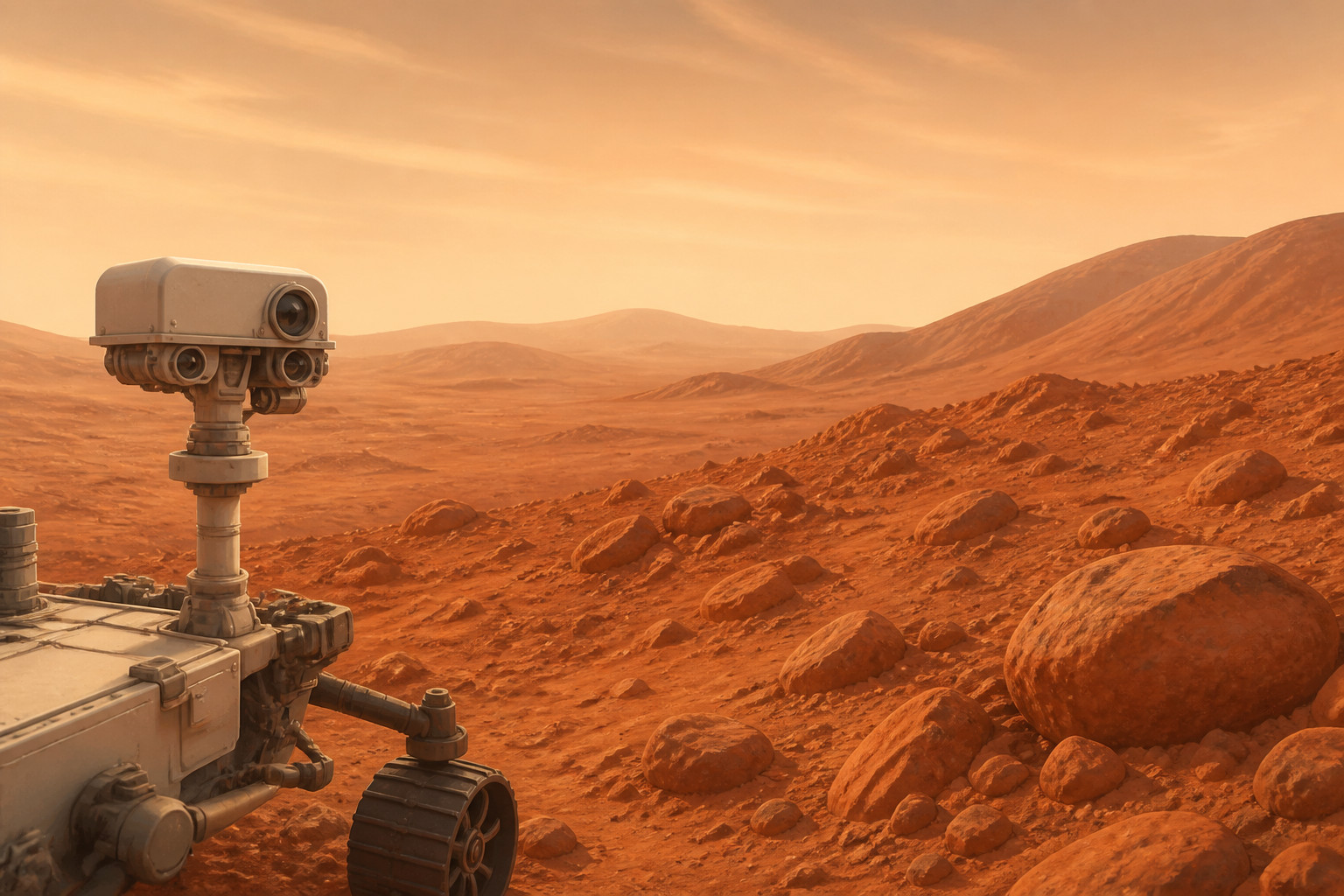
Scientists program a robot on Mars to turn its pictures into numbers. Those numbers describe each picture so engineers can send it to Earth.
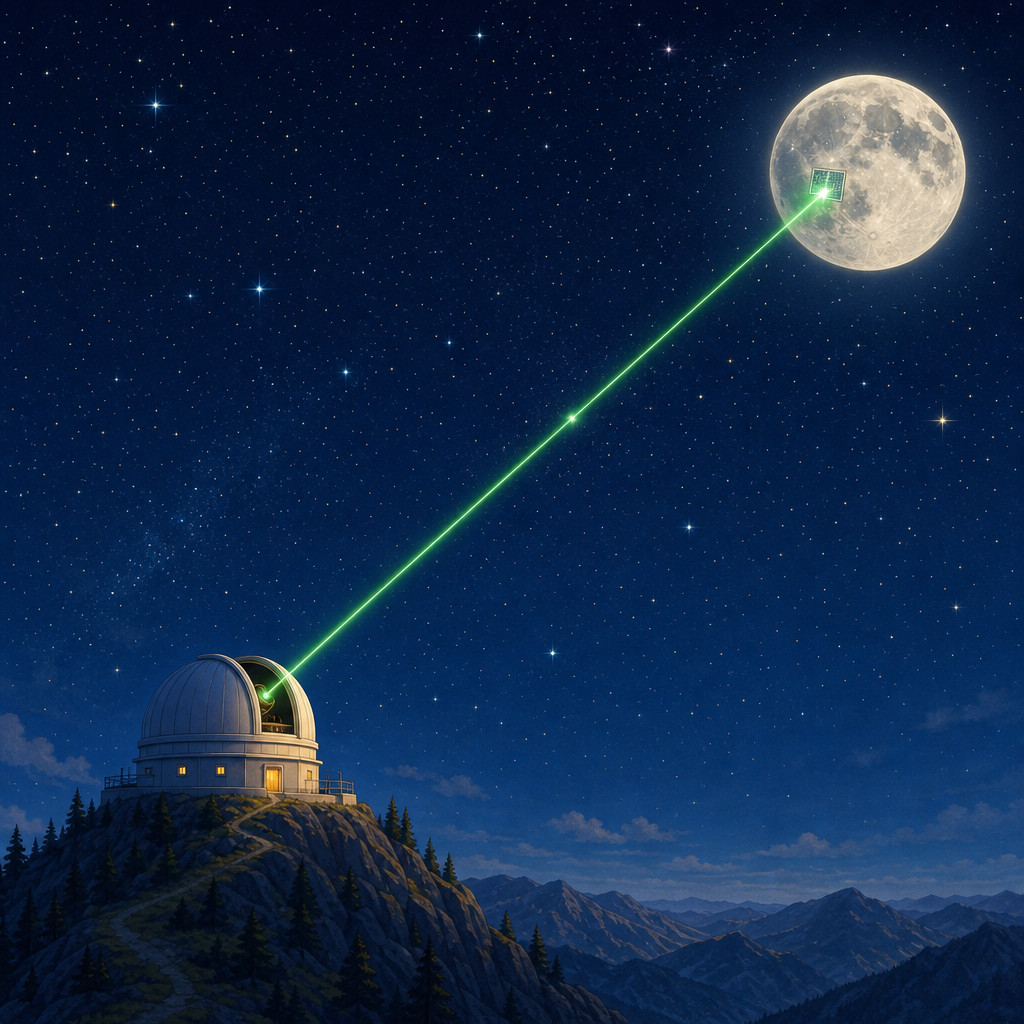
To send those numbers home, engineers use radio waves, invisible signals that carry messages through space. Like a note carrying words, radio waves carry the numbers for a picture. Nothing needs to bring back a paper photograph.
The first reason for the wait is the enormous distance between Mars and Earth. Millions of miles of space stretch between them. Every message from Mars must cross that whole gap to reach us.
Radio waves race along as fast as light, but their journey still takes time. Even such speedy travelers cannot arrive right away.
Imagine sending a picture of a Mars rock, one tiny piece after another. Would the first piece arriving mean the whole picture had arrived? Not yet. The rest of the pieces still need to follow.
That brings us to the second reason: engineers can send only so many picture numbers each second. The radio link has a limit, like a narrow doorway. The numbers must take turns going through.
A detailed picture needs lots of numbers to describe all its tiny marks and colors. Sending all those numbers takes extra time.
On Earth, engineers use large dishes to catch the arriving radio waves. That is how engineers receive the picture numbers from Mars.
Scientists use computers to turn the arriving numbers back into a picture. Each number helps the computer build the view of Mars.
Radio waves. Pictures from Mars take time because radio waves travel a huge distance, and sending every picture number takes time too.
When you see a picture from Mars, you can treasure a view that has traveled across space to reach you.