Why are crumbs a problem in space?
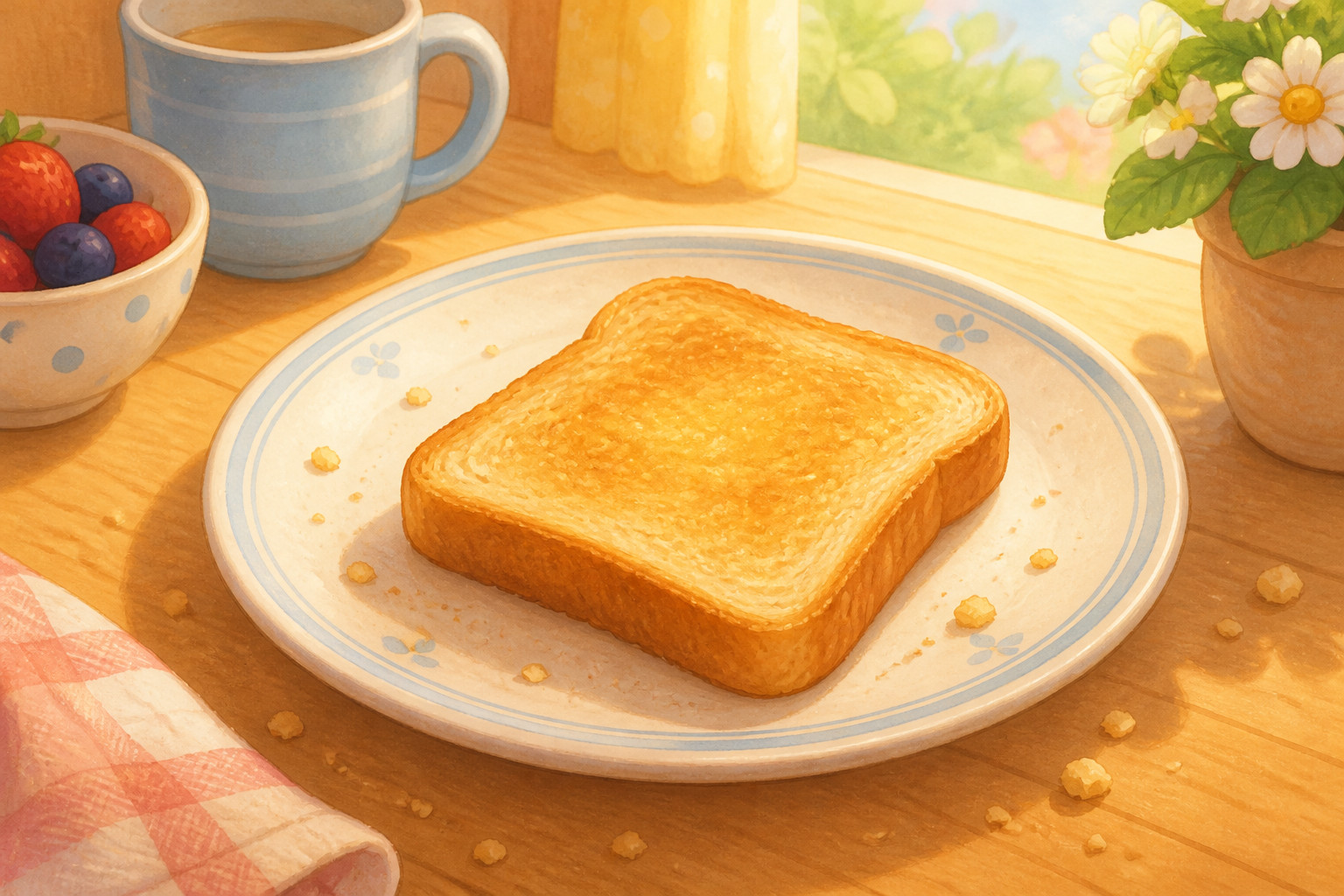
Crunch, crunch. Think of biting into a piece of toast at breakfast. Little crumbs drop onto your plate and the floor. Here on Earth, that is a tiny mess.
Astronauts eat breakfast in space, too. For them, crumbs are a big problem. Why are crumbs a problem in space? Let's find out together.
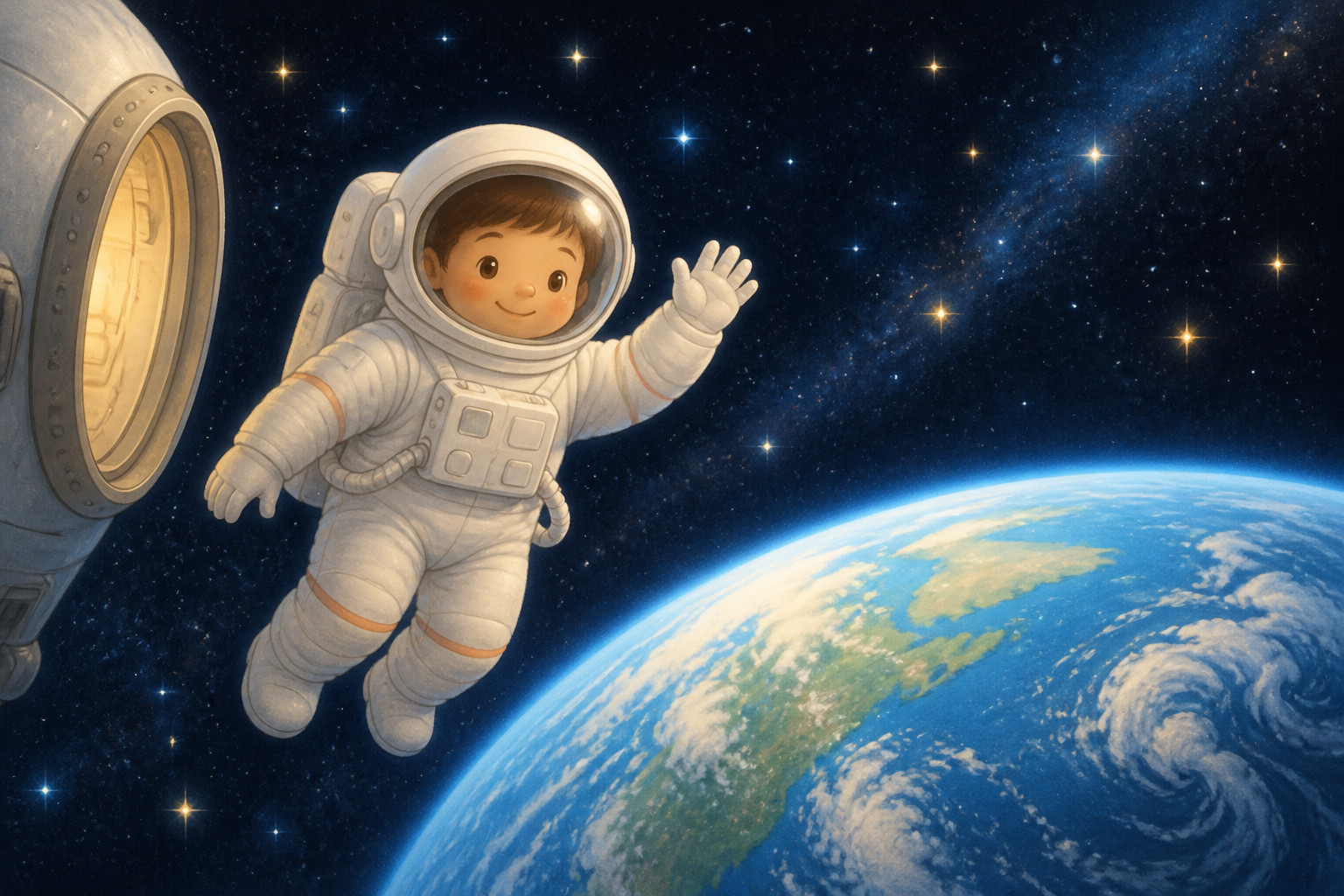
Astronauts live in a space station, which means a big home that flies high above the Earth. Inside it, they eat, sleep and work, just like you do at home. The station is full of buttons, wires and busy machines.
In the space station, things never land on the floor. The station and everything inside it fall around the Earth together. The floor falls too, so it never catches anything. That is why spoons, socks and even astronauts float.
Now picture an astronaut biting into a cracker. Tiny crumbs break off. They do not drop onto a plate. They float away into the air.
Each crumb starts to drift, which means moving slowly wherever a tiny push sends it. One soft breath sends a crumb sailing across the room. Where do you think a drifting crumb might end up?
A drifting crumb can float right into an astronaut's eye. It scratches and stings, just like sand in your eye at the beach. That hurts, and it makes seeing hard for a while.
Crumbs drift into the machines, too. The space station has fans that keep the air clean for breathing. Crumbs block those fans, like bits of food stuck in a straw. A blocked fan cannot push fresh air around the station.
In the space station, crumbs never land on a plate. They drift into eyes and sting, and they block the fans that clean the air.
High above the Earth, the space station flies on. Inside, one tiny cracker crumb drifts slowly through the quiet air.