Where does the Sun go in the evening?
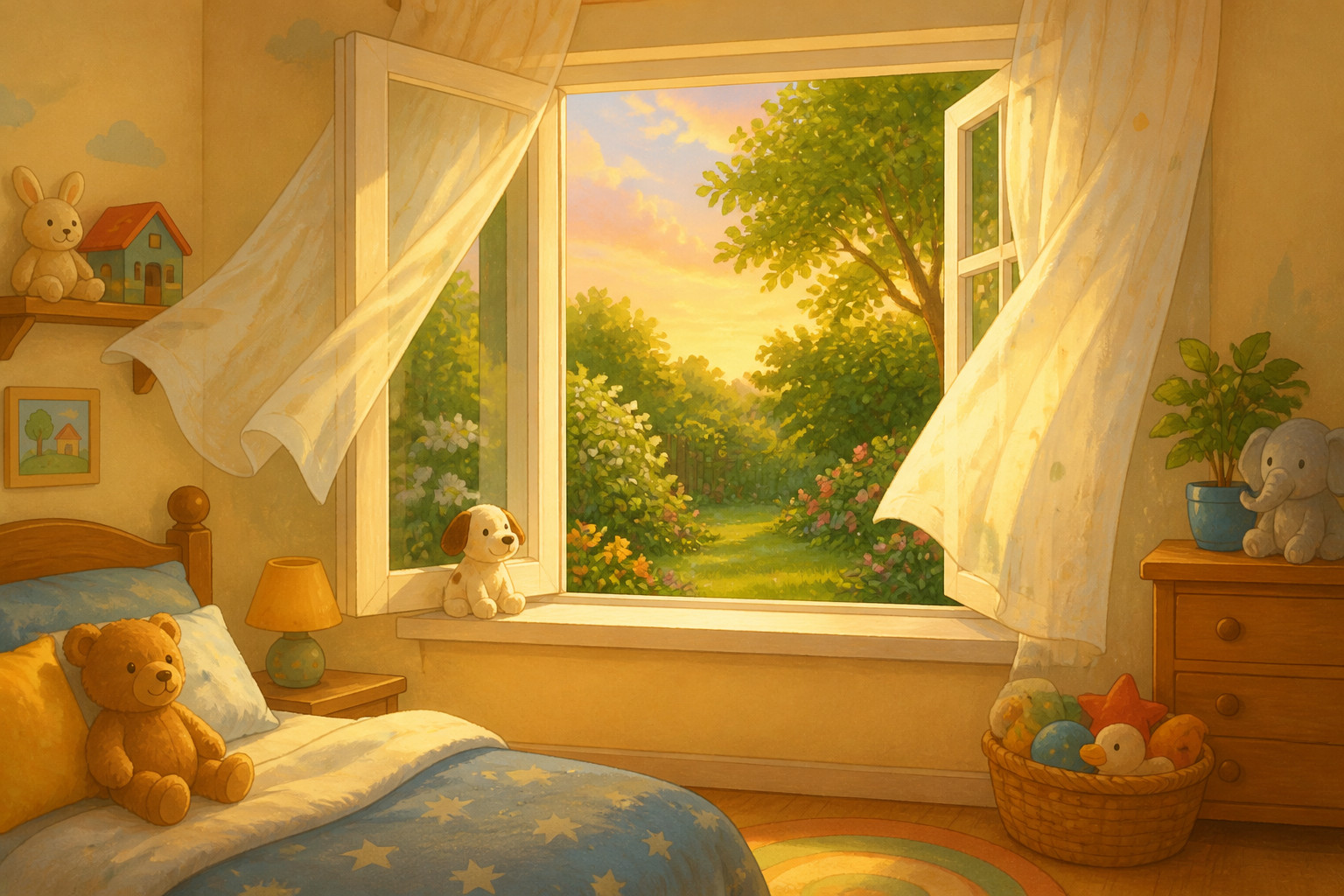
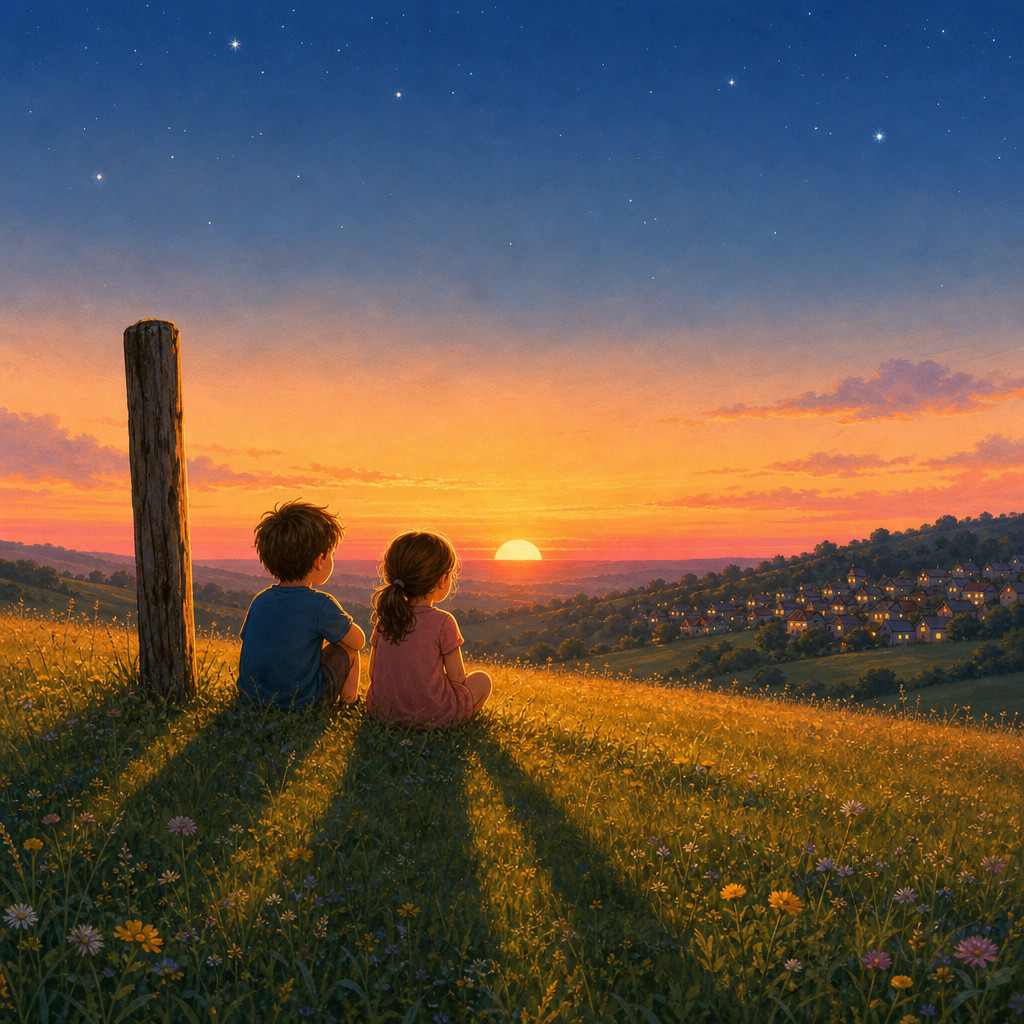
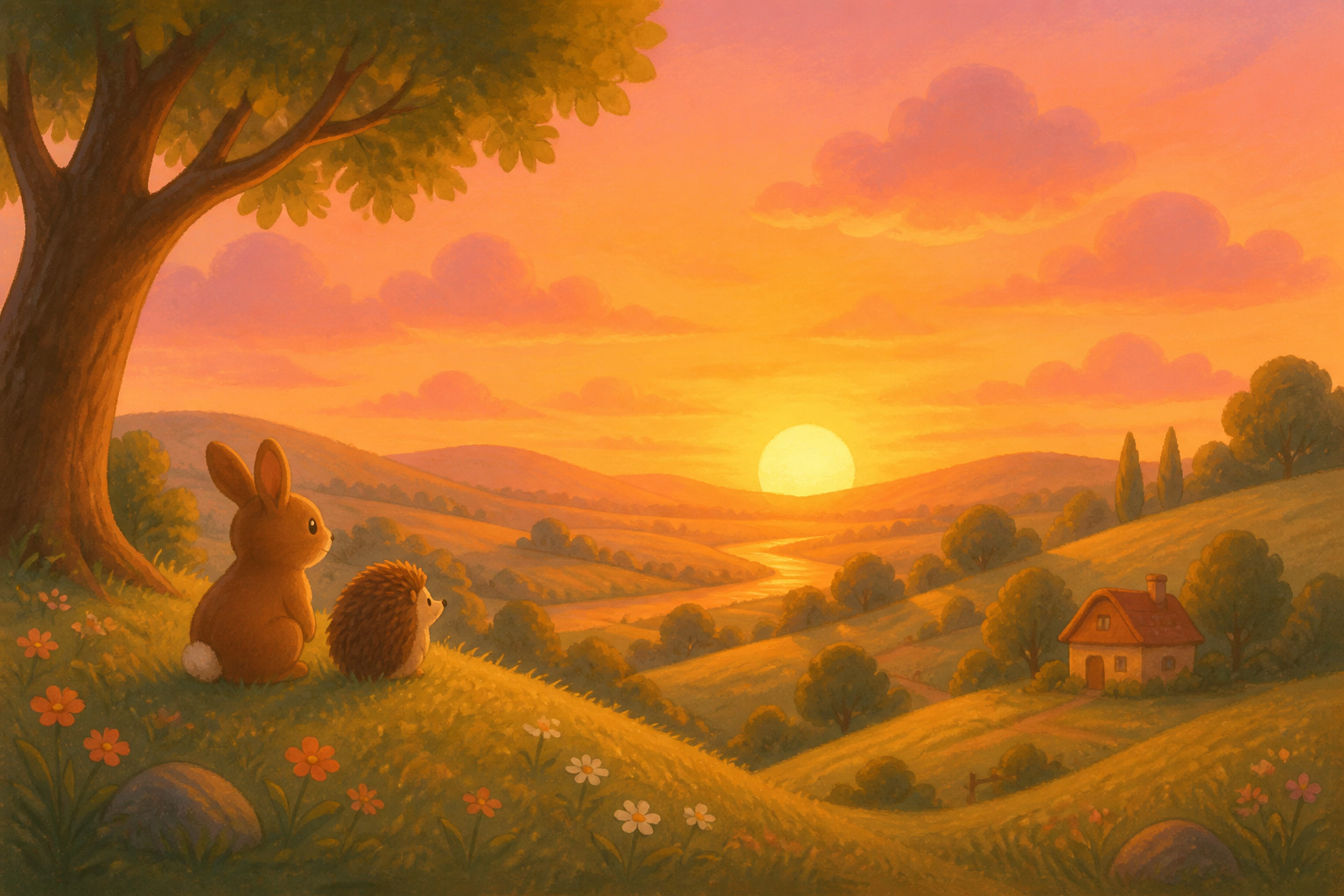
Think of the end of a sunny day. The Sun sinks low, and the sky glows orange and pink. Can you feel the air turning cool on your cheeks?
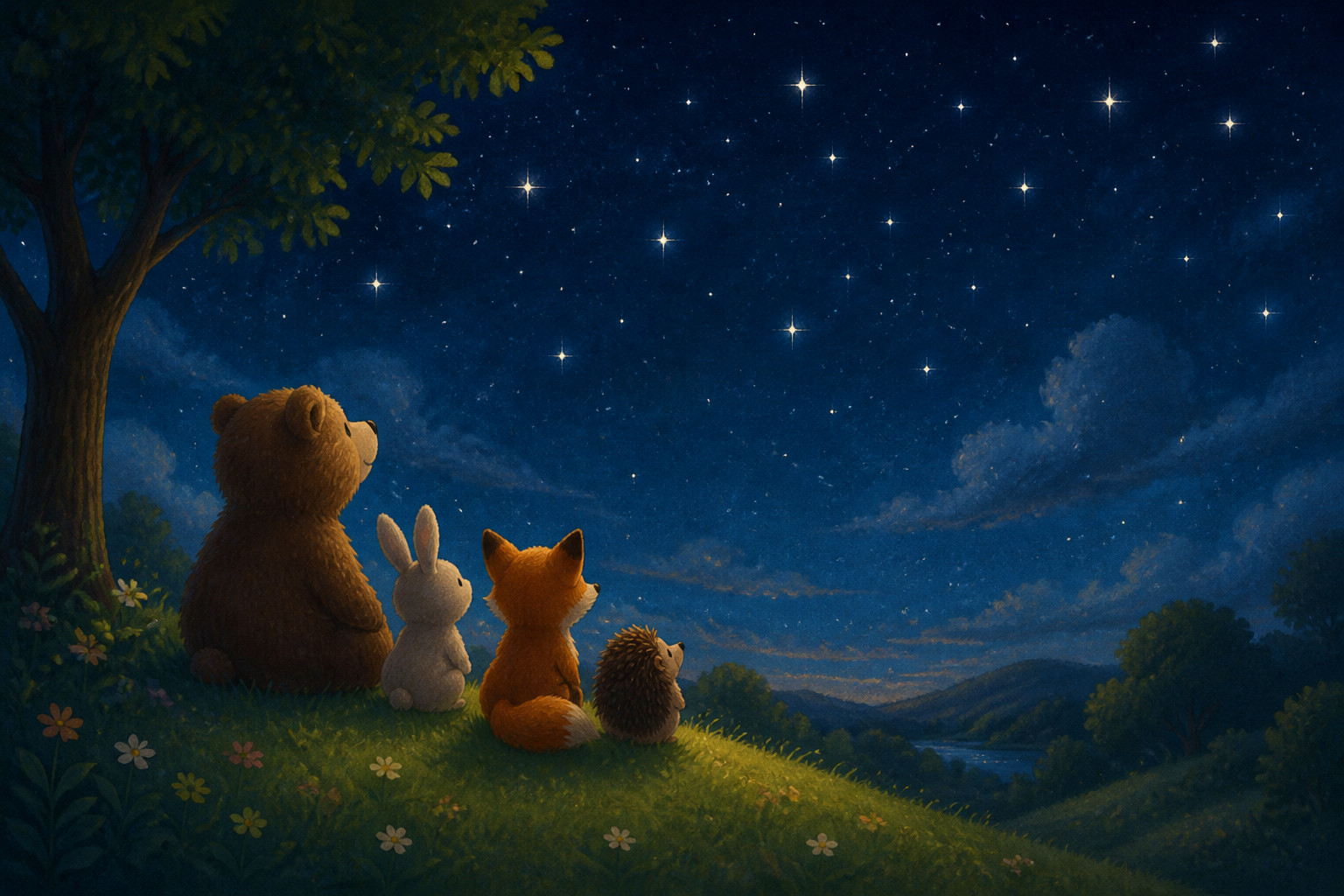
Then, little by little, the Sun is gone. The sky grows dark and the first stars peek out. So where does the Sun go in the evening?
Here is a surprise. The Sun does not go anywhere. It stays in its place in space and keeps shining all the time.
The thing that moves is our home, the Earth. Earth is a giant round ball, and it is always turning, very slowly. One whole turn takes a day and a night.
You, your house and the trees all ride along as Earth turns. Earth spins so smoothly that we cannot feel it moving.
In the daytime, our side of Earth faces the Sun. Sunlight shines right on us, so the sky is bright and warm.
As evening comes, Earth keeps spinning. Our side slowly turns away from the Sun, so the Sun looks lower and lower. What do you think we see when our side turns away even more?
The Sun slips down behind the horizon, which means the line where the sky seems to touch the land. Our side has turned away, so the sunlight cannot reach us now. That is how night begins.
Far past our horizon, the Sun is still shining. It lights up the other side of Earth. There, children are waking up and eating breakfast.
Let's remember our new word: horizon. Earth spins our side away from the Sun, so the Sun slips behind the horizon.
Sweet dreams, little one, until our side of Earth turns back to the Sun.