Where does a plant get its water?
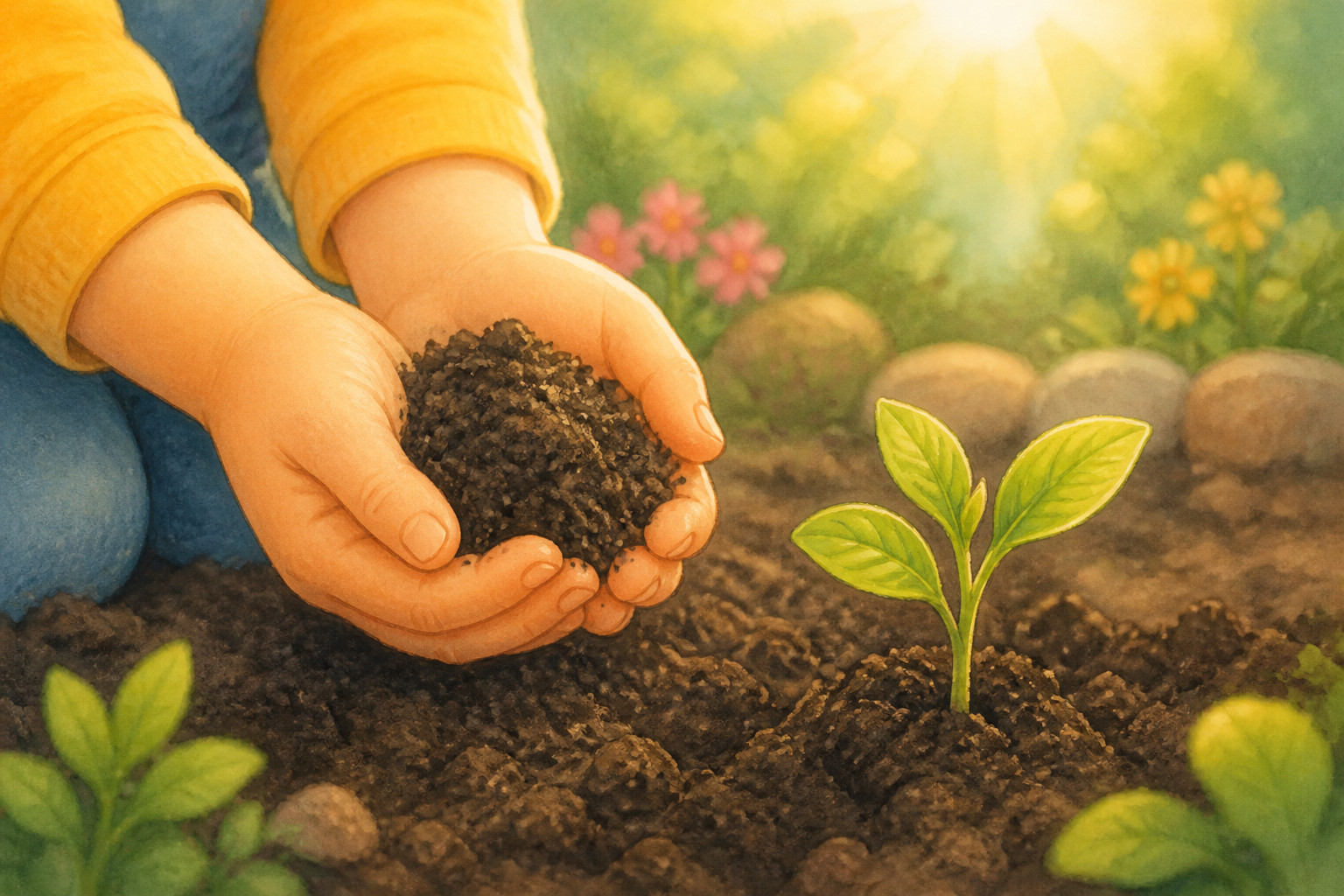
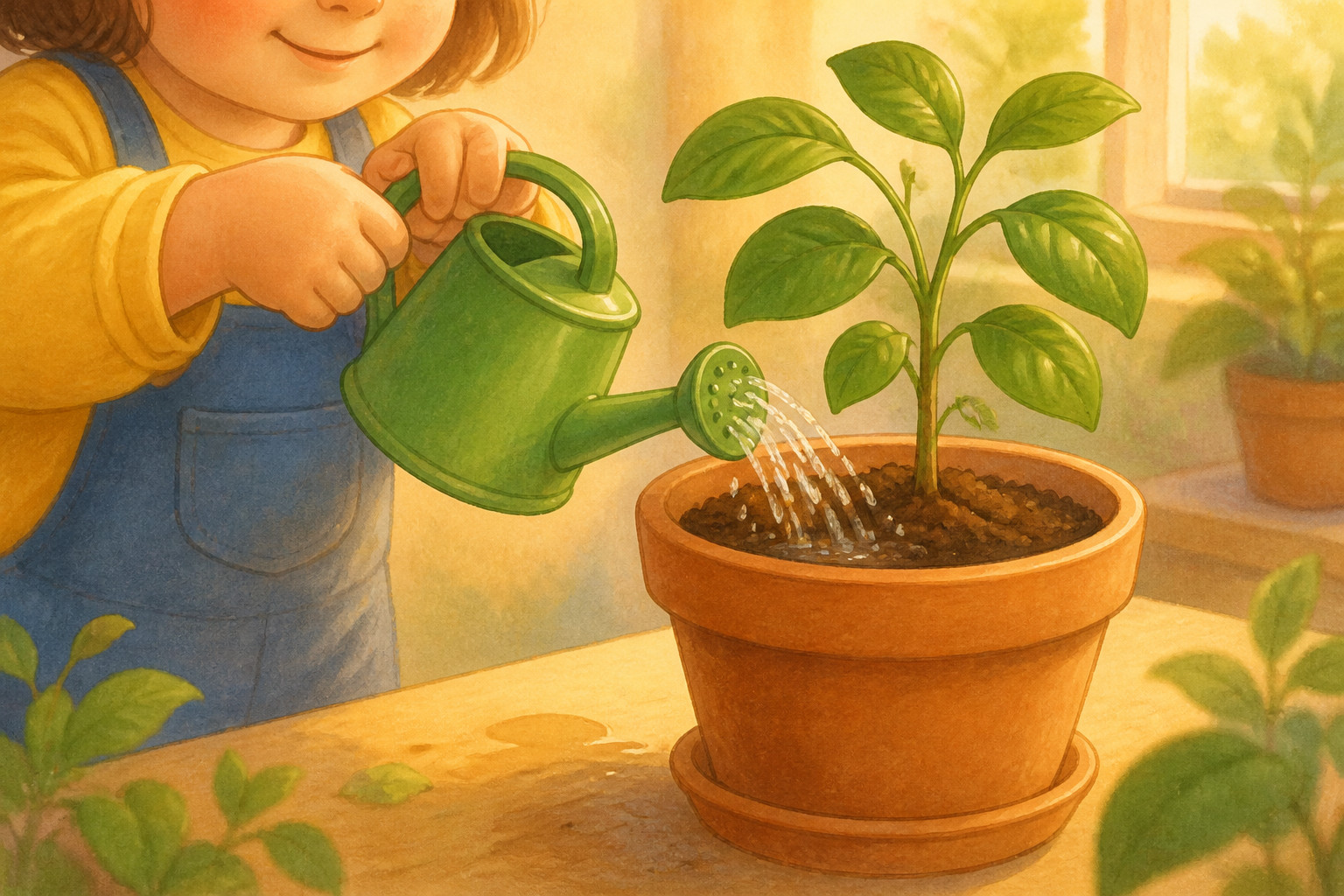
When you water a plant in a pot, where do you pour the water? You pour it onto the soil. The soil turns dark, and it feels cool and wet under your fingers.
A plant has no mouth and no cup. It cannot walk to a puddle for a sip. So where does a plant get its water?
The answer starts in the soil. When rain falls or you pour water, the water soaks down into the soil. The soil holds on to it in the small spaces between its crumbs, like a wet sponge.
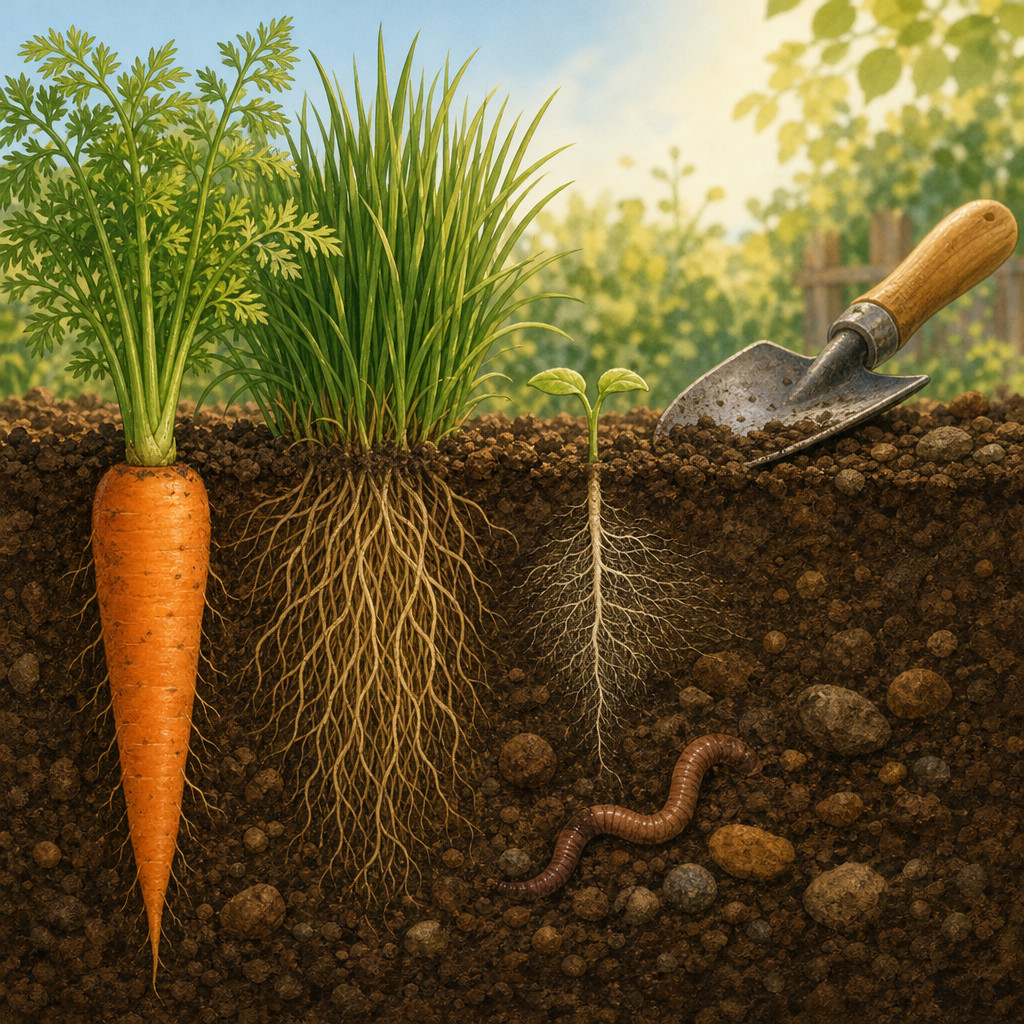
Now let's look below the plant. Down in the soil, the plant has roots. The roots grow down and spread out wide. That way they reach lots of wet soil.
Look closer at a root, and you find a surprise. All over it grow root hairs, which means very thin threads coming out of the root. The root hairs reach into the wet spaces between the soil crumbs. What do you think the root hairs do there?
They soak up the water! Each root hair drinks in the water that touches it. It works just like a paper towel drinking up a spill.
Root hairs are a part of the plant's own roots. So when a root hair soaks up water, that water is inside the plant. That is how the plant gets its drink.
Let's remember our special words: root hairs. A plant gets its water from the soil, where its root hairs soak it up.
Next time you water a plant, think of all its root hairs drinking happily down in the cozy soil.