How can water carry a seed?
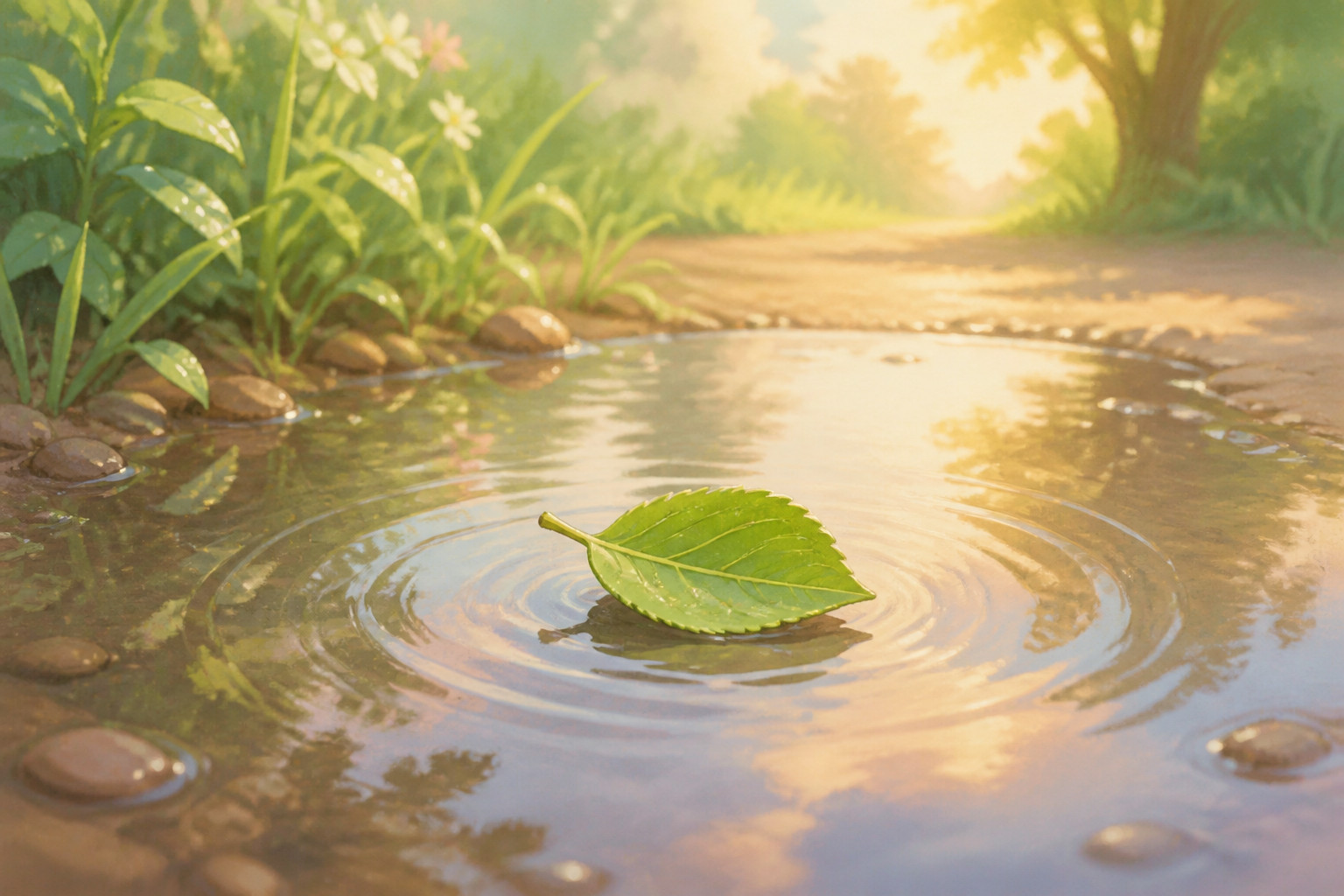
Have you ever dropped a leaf into a puddle? Remember the cool water on your fingers. Then the little leaf bobs and sails away.
A seed has no legs to walk. It has no arms to paddle. So how can water carry a seed? Let's follow one big seed and find out.
By the sea stands a tall palm tree. When a coconut is ripe, the tree lets it go. Plop! It lands on the sand, and a wave pulls it into the sea.
A coconut is a big seed wrapped in a husk, which means a thick, stringy coat. The husk is full of tiny pockets of air. Air is very light, so the husk makes the big coconut lighter than it looks.
Now the water pushes up on the coconut. The coconut presses down, but only gently, because its husk is light. The push of the water is stronger. So the coconut floats on top like a little boat.
The husk has a smooth, tough skin on the outside. That skin keeps the water from soaking in. The air pockets stay dry, and the coconut keeps floating for many days.
A floating seed still needs something to move it. The sea has currents, which means water that keeps moving one way. A current pushes the coconut along, like a gentle hand.
The current carries the coconut past rocks and fish. Day after day, it bobs and drifts far from its tree. Where do you think the coconut will stop?
At last, the current brings it near a new beach far away. The waves roll the coconut up onto soft, warm sand. Now the seed rests in a brand new place.
Water can carry a coconut seed because its husk is full of air. So the coconut floats, and a current pushes it far away.
On the warm sand, the coconut lies still in its stringy husk. Small waves lap beside it. Behind it, the wide blue sea shines in the sun.