Why does a robot get confused in a new room?
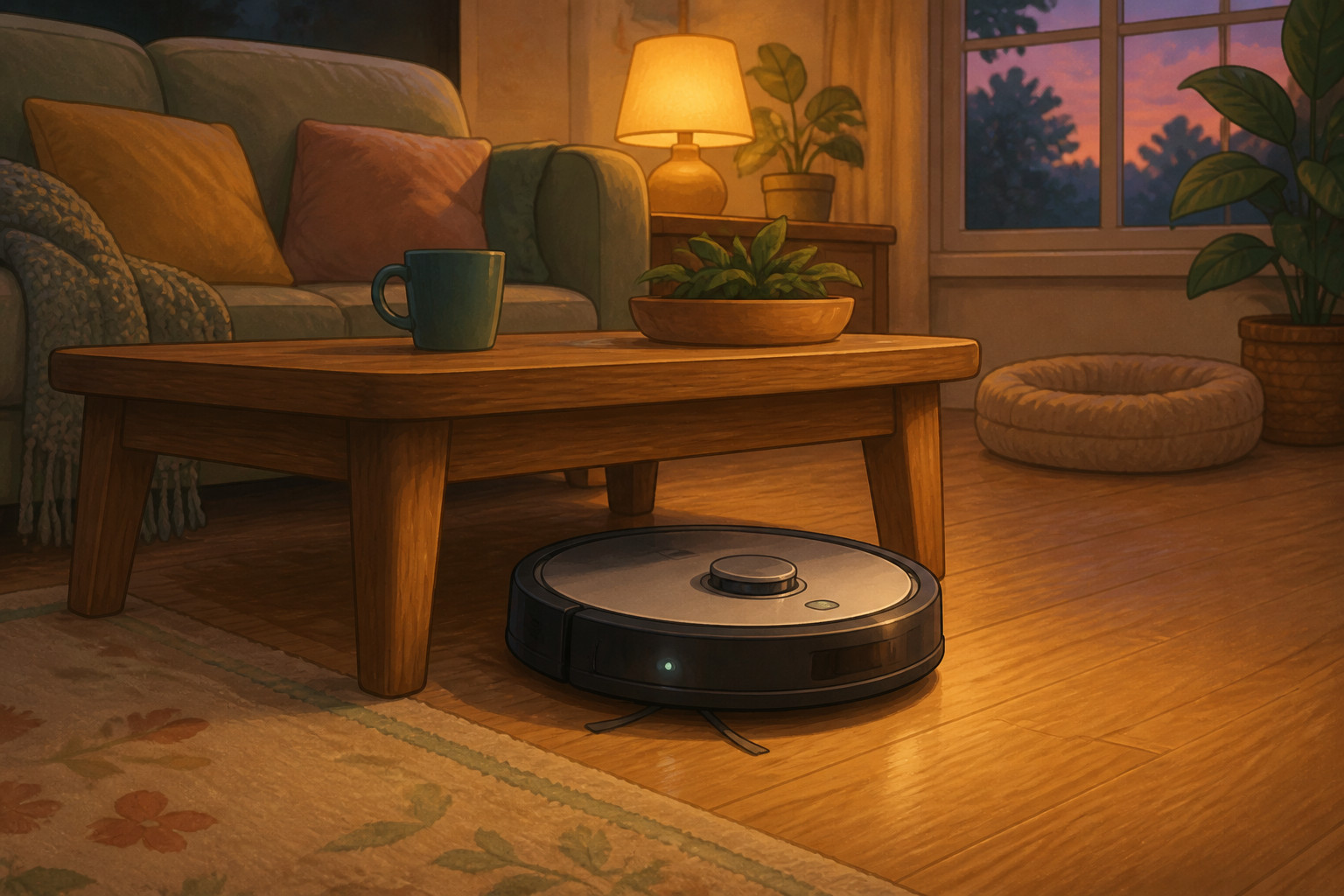
Have you ever watched a robot vacuum glide across the floor? Listen to its soft hum as it rolls under the table and back out again. At home it moves along neatly, room after room.
But when a family carries that same robot into a brand-new room, something funny happens. It bumps a chair leg, spins around, and wanders back the way it came. Why does a robot get confused in a new room?
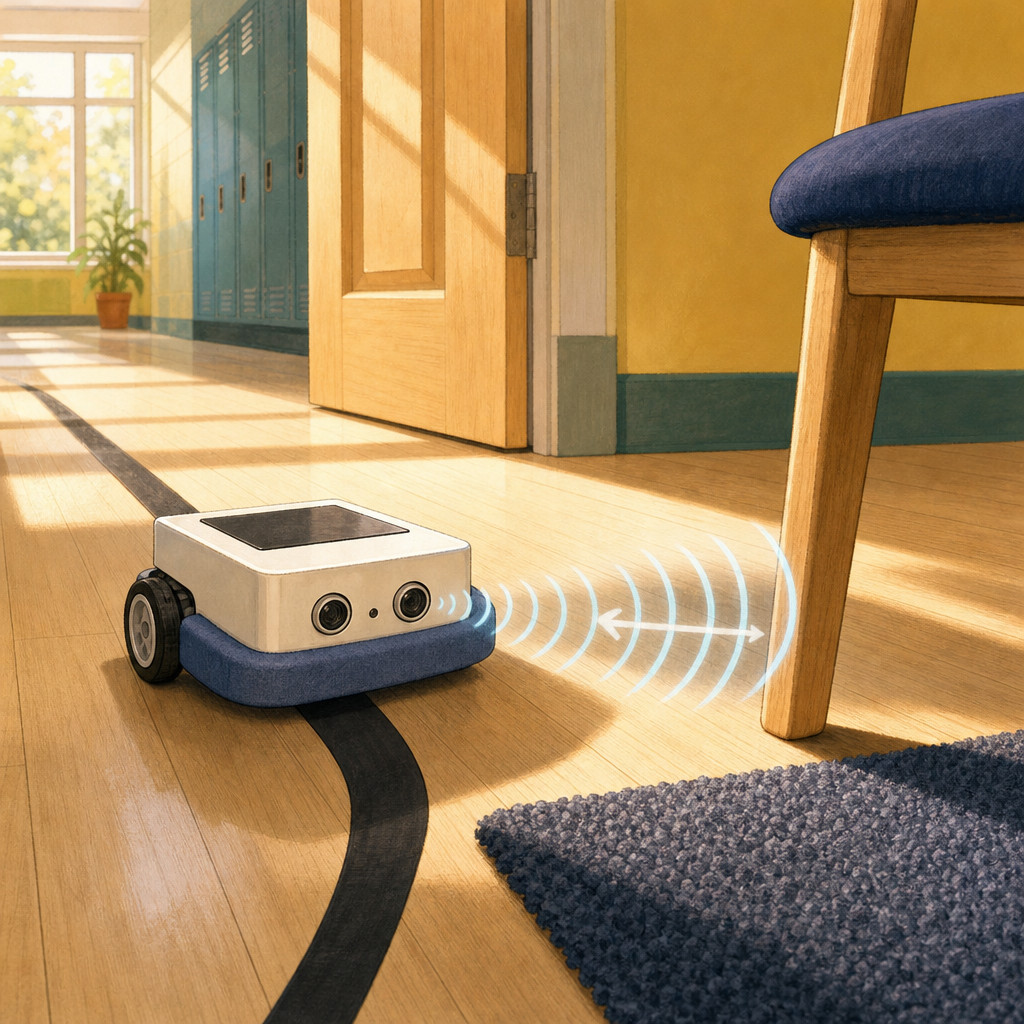
A robot can't look around a room the way you do. It uses sensors, which means small parts that notice things around it. Some sensors feel a gentle bump, and others send out light to spot a wall ahead.
Sensors notice only what is close to the robot and in plain view right now. They can't peek behind the sofa or around the corner by the door. So at any moment, the robot knows just a small piece of the room.
To find its way around a whole room, a robot needs a map. It keeps this map inside its computer, like a drawing of every wall, door and table leg. At home, the robot follows its map, so it knows where to turn before it gets there.
In a new room, the robot's map is empty. It has never been there, so it has no drawing of this room at all. Its sensors show one small piece, and nothing on the map shows the rest. So how do you think a robot with an empty map finds its way across?
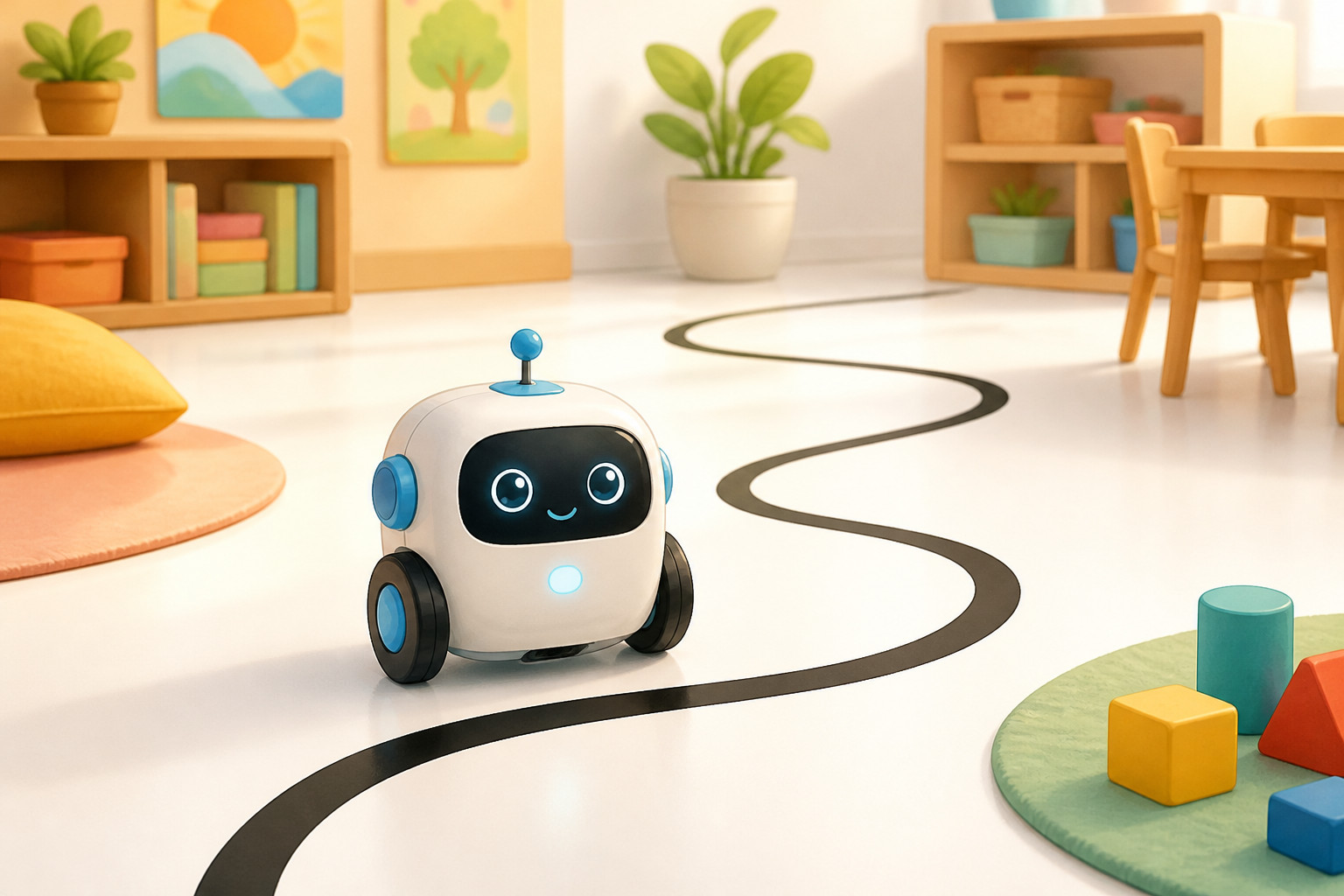
It feels its way, one piece at a time. The robot creeps forward until its sensors notice a wall or a chair leg, and then it stops and turns. All that bumping and turning is what looks like confusion.
With every bump and turn, the robot adds one more wall or leg to its map. It wanders and doubles back because it is still filling in the empty places on that map.
Sensors. A robot gets confused in a new room because its sensors notice only what is close by, and its map of that room is still empty.
Sleep well, little explorer, and dream of brave robots finding their way.